 Follow Us on Google News


 Follow Us on Google Discover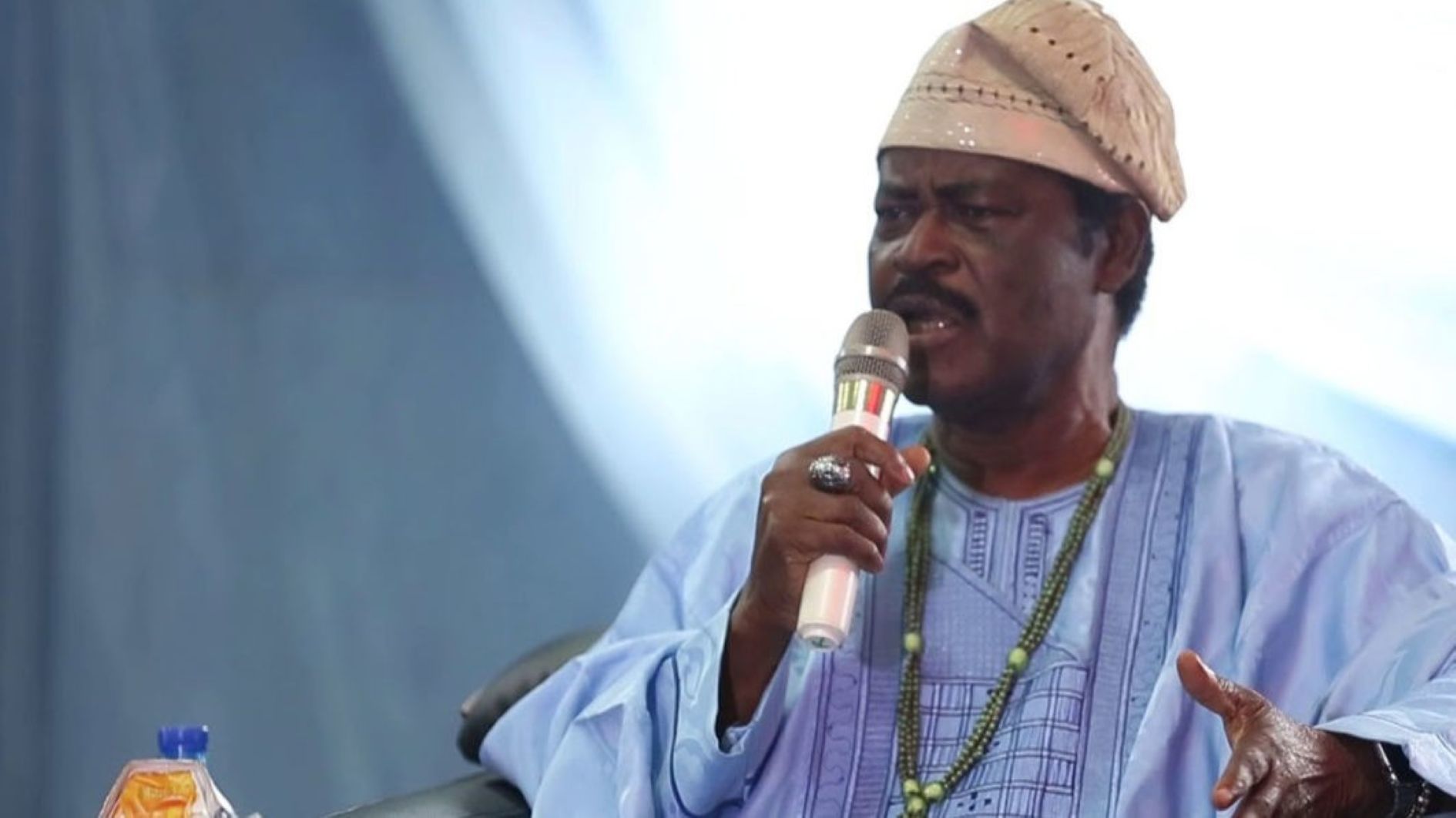
Pioneer National Secretary, National Democratic Coalition (NADECO), Chief Ayo Opadokun, has reopened debates over the June 12 struggle, exposing alleged betrayals, secret compromises and sacrifices that shaped Nigeria’s pro-democracy movement during the military era.
The 509-page book, titled The NADECO Story, chronicles the fierce resistance mounted by the coalition against the annulment of the June 12, 1993, presidential election believed to have been won by the late business mogul, Moshood Kashimawo Olawale Abiola.
One of the most striking revelations in the 32-chapter publication is captured in a section titled “The Day Abiola Wept,” where Opadokun recounted how Abiola reportedly broke down in tears in his own residence during a meeting involving leaders of the defunct Social Democratic Party (SDP).
According to the account, Abiola was devastated after his running mate, Baba Gana Kingibe, allegedly deployed his oratorical influence to persuade some SDP leaders to accept appointments in the regime of late military ruler, Sani Abacha.
The book questioned why Abiola’s running mate, Babagana Kingibe, who stood on the verge of becoming Nigeria’s Vice President if the June 12 mandate had been upheld, later accepted a ministerial appointment under former military Head of State, the late General Sani Abacha and defended the annulment internationally.
Opadokun further raised questions about ethnic loyalty and political compromise, suggesting that Kingibe’s relationship with Abacha may have been influenced by their shared Kanuri background.

Beyond recounting the internal fractures within the pro-democracy struggle, the book also dedicated an entire chapter to what the author described as the “Hall of Shame,” listing prominent Nigerians accused of endorsing or legitimising the annulment of the June 12 election.
Among those named were former Vice President, Augustus Aikhomu; former Head of the Interim National Government (ING), Chief Ernest Shonekan; former National Chairman of Social Democratic Party (SDP), Tony Anenih; former military administrator, David Mark; former PDP National Chairman, Joe Nwodo; and former governors and political figures, including Sule Lamido, Jim Nwobodo and Aliyu Mohammed Gusau.
The publication alleged that the listed personalities appended their signatures to documents supporting the annulment of the election, effectively surrendering what many Nigerians regarded as the country’s freest and fairest poll to military authorities.
However, Opadokun also reserved commendation for individuals he described as heroes of the democratic struggle.
Prominent among them was a late retired naval officer, Ndubuisi Kanu, whom the author portrayed as one of NADECO’s strongest pillars during the Abacha years.
According to the book, Kanu allegedly financed aspects of NADECO’s activities, provided operational support and safe shelters for pro-democracy activists, including Opadokun himself, when security operatives intensified their crackdown on opposition figures.
The author described Kanu as a committed ally who abandoned the comfort of the military establishment to align with civilian pro-democracy activists throughout the struggle until he died in 2021.
Opadokun, a former private secretary to late nationalist leader, Obafemi Awolowo, used the book to document what he termed the collective sacrifices, betrayals and underground resistance that defined the NADECO years.
The publication also reflected on the broader historical significance of NADECO, portraying the coalition not merely as a political pressure group but as a movement that shaped Nigeria’s eventual return to democratic rule in 1999.
The memoir may reignite fresh debates over the roles played by prominent political actors during the June 12 crisis and the eventual collapse of military rule in Nigeria.

