 Follow Us on Google News
 Follow Us on Google Discover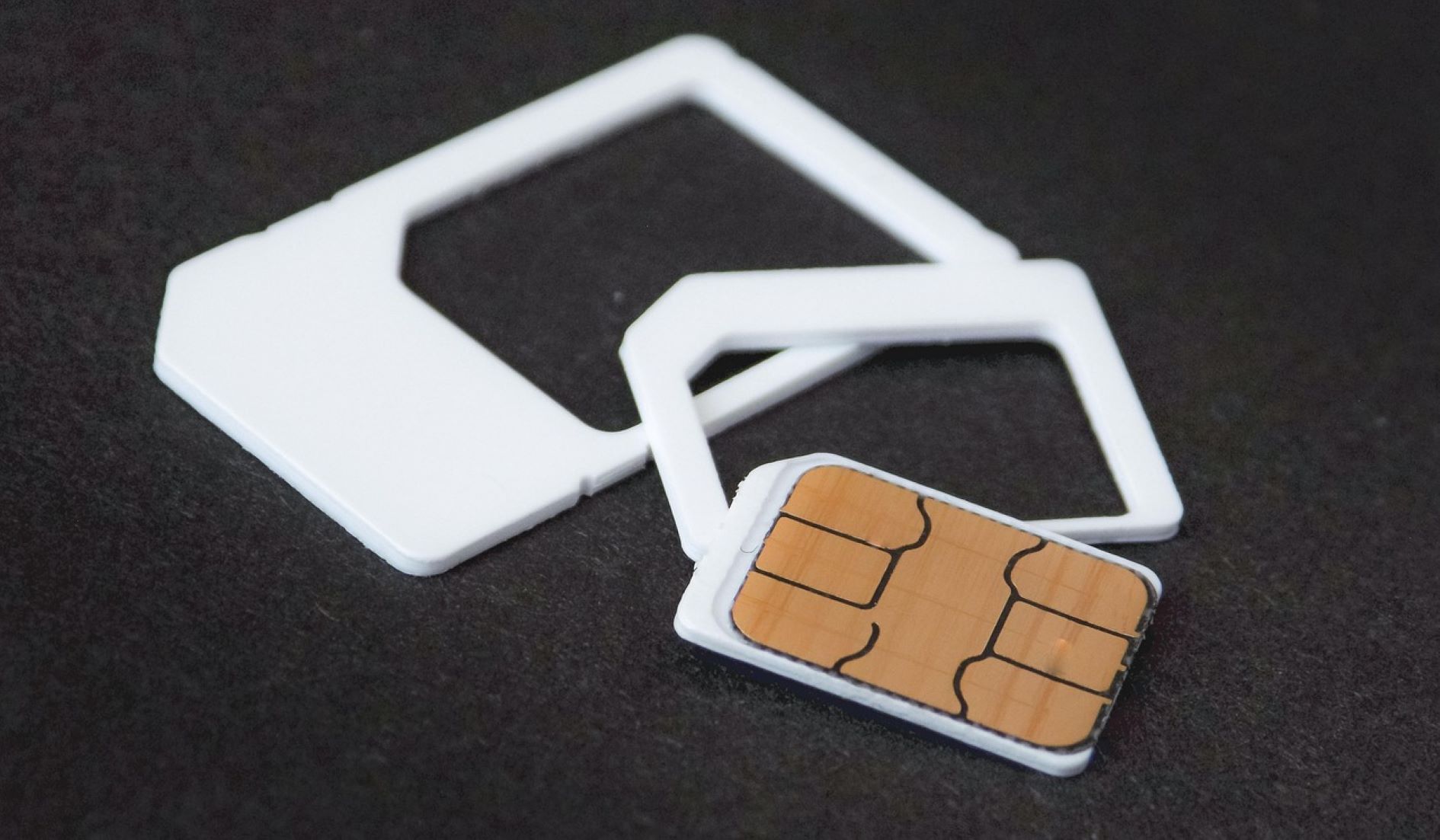
The Nigerian Communications Commission (NCC) has unveiled a new regulatory platform designed to track, verify and block fraudulent activities linked to mobile phone numbers.
The platform, known as the Telecommunications Identity Risk Management System (TIRMS), was presented on Thursday in Abuja at a stakeholders’ consultative forum organised by the commission.
The initiative targets the rising abuse of mobile numbers, particularly swapped, recycled, churned and barred SIMs used by fraudsters to perpetrate financial crimes and identity theft.
The Executive Vice Chairman of the NCC, Aminu Maida, said the system was developed in response to growing vulnerabilities in the telecommunications space.
“The fraudulent use of churned, recycled, swapped and barred MSISDNs has become a significant vector for financial fraud and identity theft, eroding public trust in our digital platforms,” he said.
Represented by the Executive Commissioner for Stakeholder Management, Rimini Makama, the NCC boss explained that mobile numbers, widely referred to as SIMs, have evolved into critical identity tools used for banking, authentication, and access to key services.

However, he noted that this growing reliance has also exposed users and institutions to new risks, especially when compromised numbers are reused without proper verification.
According to him, the TIRMS platform is designed as a secure, cross-sector system that allows service providers to confirm the status of mobile numbers before granting access to services.
This, he said, would help detect numbers linked to suspicious or fraudulent activities and prevent their misuse.
Maida added that the platform would improve accountability across the telecommunications ecosystem by ensuring that all stakeholders from telecom operators to financial institutions and government agencies operate with verified and trusted data.
To support the rollout of the platform, the NCC has proposed amendments to existing regulations guiding quality of service and subscriber registration.
The proposed changes include a requirement for telecom operators to notify subscribers at least 14 days before their lines are churned or recycled, as well as a mandate to submit details of such numbers to the TIRMS platform within seven days.
The new framework also introduces stricter provisions for blocking SIMs found to be fraudulently registered or used, in a bid to prevent their re-entry into the system.
The EVC stressed that collaboration would be central to the success of the initiative, noting that the platform is designed to work across multiple sectors, including finance, identity management, and law enforcement.
He said the stakeholder forum reflects the commission’s participatory approach to policymaking, adding that feedback from industry players would shape the final implementation of the system.
Also speaking at the event, the Director of Cybersecurity and Internet Governance at the NCC, Olatokunbo Oyeleye, described digital trust as the backbone of modern economies, warning that without it, growth and innovation would be limited.
She said, “Our collective responsibility today is clear, to ensure that every mobile number in Nigeria can be trusted by users, by service providers, by regulators and by the entire digital ecosystem that depends on it.”
Oyeleye explained that the TIRMS platform would serve as a central verification system to strengthen identity assurance and reduce fraud risks associated with compromised mobile numbers.
According to her, the NCC had already commenced the rule-making process in line with the Nigerian Communications Act, including the publication of a consultation document outlining the proposed regulatory amendments.
She added that the outcome of the stakeholder engagement would guide the final review of the rules and ensure that the platform meets the needs of all sectors.

