 Follow Us on Google News


 Follow Us on Google Discover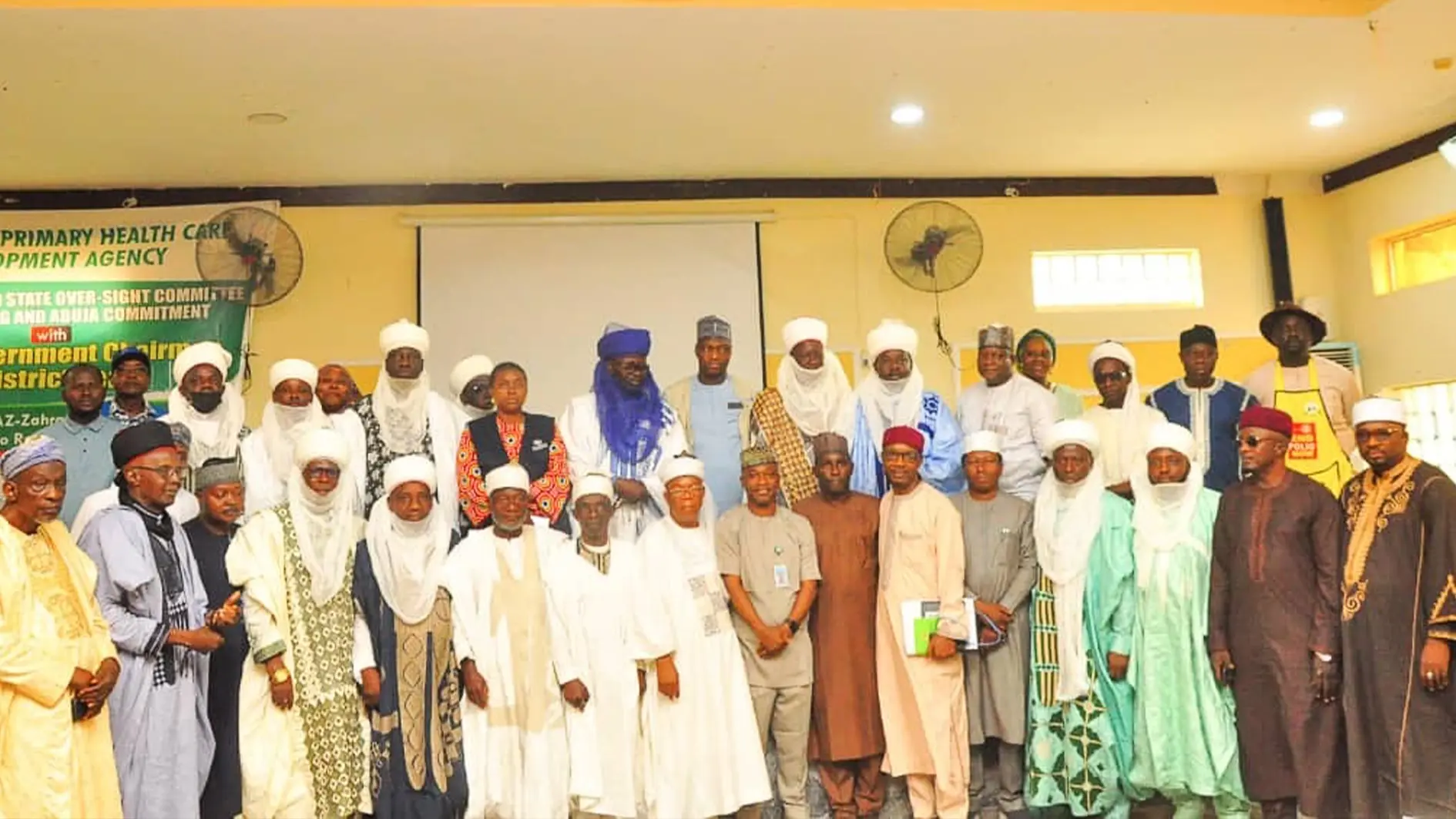
The Niger State Ministry of Health, in collaboration with the National Primary Health Care Development Agency (NPHCDA), 25 local government councils, the Emergency Operations Centre (EOC), and UNICEF, has formalised a high-level pact aimed at accelerating polio eradication and strengthening routine immunisation across the state.
The agreement was sealed during a one-day Expanded State Oversight Committee (SOC) meeting and Abuja Commitment engagement held in Minna. It marked a critical turning point in the state’s public health drive.
The gathering brought together local government council chairmen, vice chairpersons, district heads, policymakers, and development partners, all united in a shared resolve to eliminate polio and protect every eligible child.
Far from a ceremonial exercise, the signing of the Abuja Commitment represented a firm declaration of accountability and coordinated action. It underscored the readiness of stakeholders at all levels to intensify surveillance, improve vaccine delivery systems, and strengthen micro-planning efforts, particularly in hard-to-reach and underserved communities.
Speaking at the event, the Commissioner for Health in Niger State, Dr Murtala Muhammad Bagana, described the pact as a moment of renewed responsibility, stressing that polio eradication requires not only commitment on paper but sustained action on the ground.
He highlighted progress already recorded in strengthening coordination platforms and health system performance, noting that such gains must now translate into measurable outcomes in immunisation coverage and disease prevention.
“Polio eradication is not negotiable. It is a collective duty we owe to every child in Niger State,” he said.

Dr Bagana further stressed that the pact aligns with the state government’s broader health transformation agenda, which prioritises equity, access, and accountability in service delivery.
Traditional leaders also played a key role in the engagement. The representative of His Royal Highness, Alhaji Ahmed Garba Gunna Attahiru II, said their participation reinforces the importance of community leadership in mobilising households, addressing vaccine hesitancy, and ensuring compliance with immunisation campaigns.
Development partners, including the World Health Organization (WHO) and UNICEF, reaffirmed their continued technical and operational support, expressing confidence in the state’s renewed strategy and leadership commitment.
With the pact now in force, stakeholders are expected to transition from commitment to implementation, ensuring robust supervision, improved logistics, and real-time monitoring through the EOC framework.
The engagement ended with a unified call to action, urging all actors to uphold the spirit of the agreement and translate commitments into tangible results at the community level.

