Get Guardian on Google
• One in 22 women risks death in pregnancy, childbirth
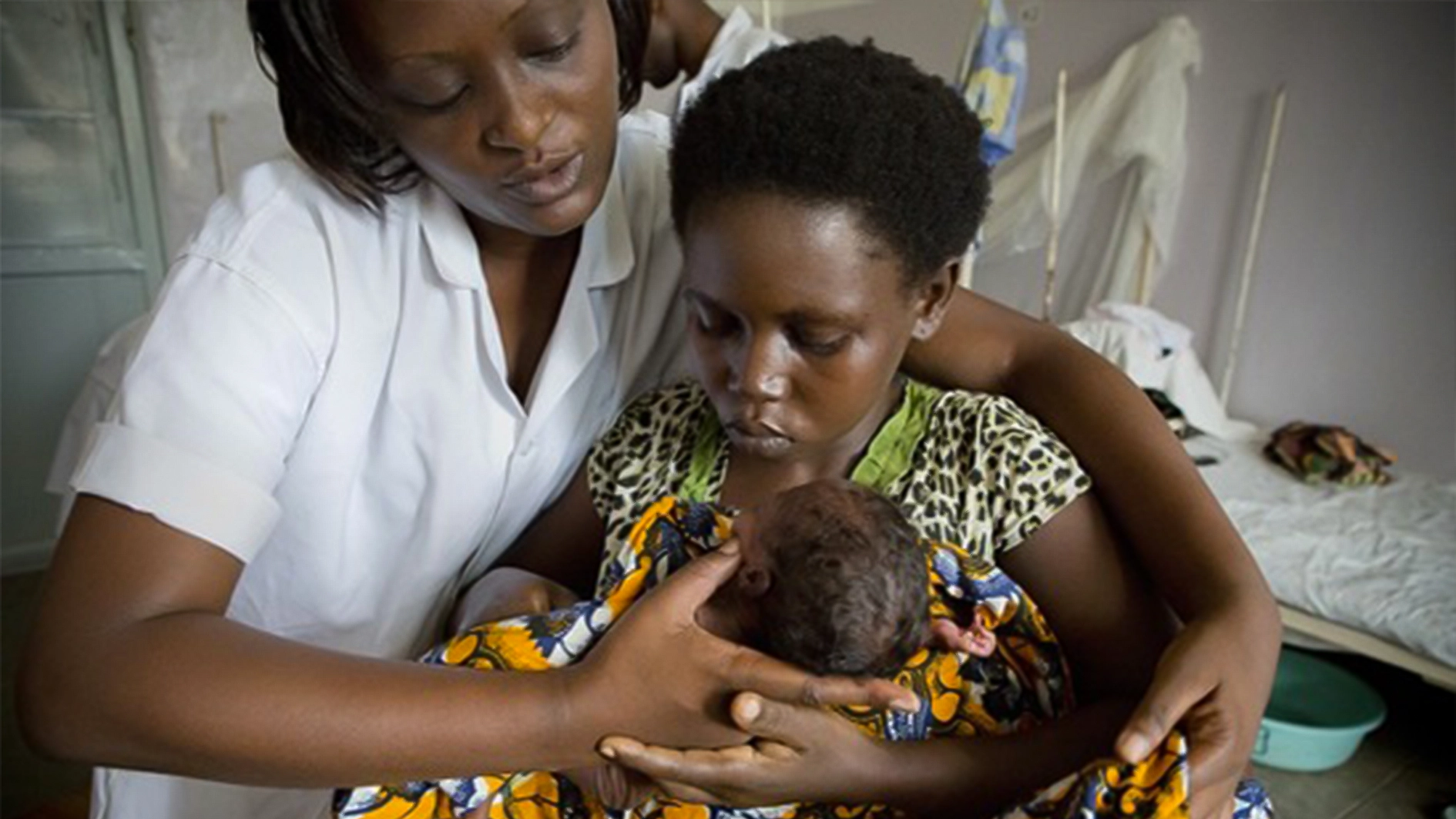
Nigeria’s maternal mortality burden has raised concern once again, with the United Nations stating that it accounts for at least 25 per cent of global maternal deaths.
Disclosing this yesterday at the second annual National Sexual and Reproductive Health and Rights (SRHR) Network Conference in Abuja, the Women Country Representative to Nigeria and ECOWAS, Beatrice Eyong, said the issue remains a serious challenge requiring urgent and collective action.
Reflecting on the conference theme, ‘Redefining SRHR: Gender Justice, Innovation and Collective Action’, Eyong said a Nigerian woman faced a lifetime risk of dying from pregnancy-related complications at a rate of one in 22, compared to one in over 4,000 in developed countries.
She noted that about eight million children were born annually in Nigeria, with the figure representing millions of women whose lives were at risk from preventable complications associated with pregnancy and childbirth.
However, she stressed that “no woman should sacrifice her life dying while giving birth. It shouldn’t happen, especially in this century, with all the technologies that we have.”
To that end, Eyong called on government, development partners, civil society organisations and other stakeholders to move beyond policy declarations and address the underlying social and economic factors contributing to maternal deaths.
She noted that maternal mortality statistics were often the outcome of deeper gender-related barriers that prevented women from accessing healthcare services, including mistreatment by health workers, harmful social norms and limited financial empowerment.
Meanwhile, President of Lawyers Alert, Dr Rommy Mom, called for greater access to free legal services for women and other vulnerable groups, particularly those who lacked the financial resources to pursue justice.
Mom said economic difficulties often prevented women from accessing the justice system, despite the existence of laws designed to protect their rights.
In the meantime, the Minister of Youth Development, Olawande Ayodele, said young people could not fully realise their potential or participate meaningfully in governance and economic development without access to safe and equitable sexual and reproductive health information and services.
Represented by his Senior Special Assistant on Gender Matters, Kehinde Awujoola, the minister described sexual and reproductive health and rights as fundamental human rights and an important component of empowerment.
Also, the Minister of Health and Social Welfare, Prof. Muhammad Ali Pate, said the federal government recognised sexual and reproductive health and rights as integral to human dignity, equitable development and universal health coverage.
Pate, who was represented by the Director of the Health Promotion Division in the ministry, John Uruakpa, said improving reproductive, maternal, newborn, child and adolescent health remained a priority in the government’s efforts to strengthen the health system.
For her part, the Coordinator of Sexual and Reproductive Health and Rights (SRHR) Movement in Nigeria, Confidence Ezeala, called for stronger collaboration among government, civil society organisations and development partners to address challenges limiting access to sexual and reproductive health services in the country.
She raised concerns over growing anti-rights narratives, conflict and climate-related displacement, as well as technology-facilitated abuse, estimating that over 70 million women and girls in Nigeria were at risk of online abuse by 2027.
Nigeria accounts for 25% of global maternal deaths, UN declares
Nigeria’s maternal mortality burden has raised concern once again, with the United Nations stating that it accounts for at least 25 per cent of global maternal deaths.