 Follow Us on Google News


 Follow Us on Google Discover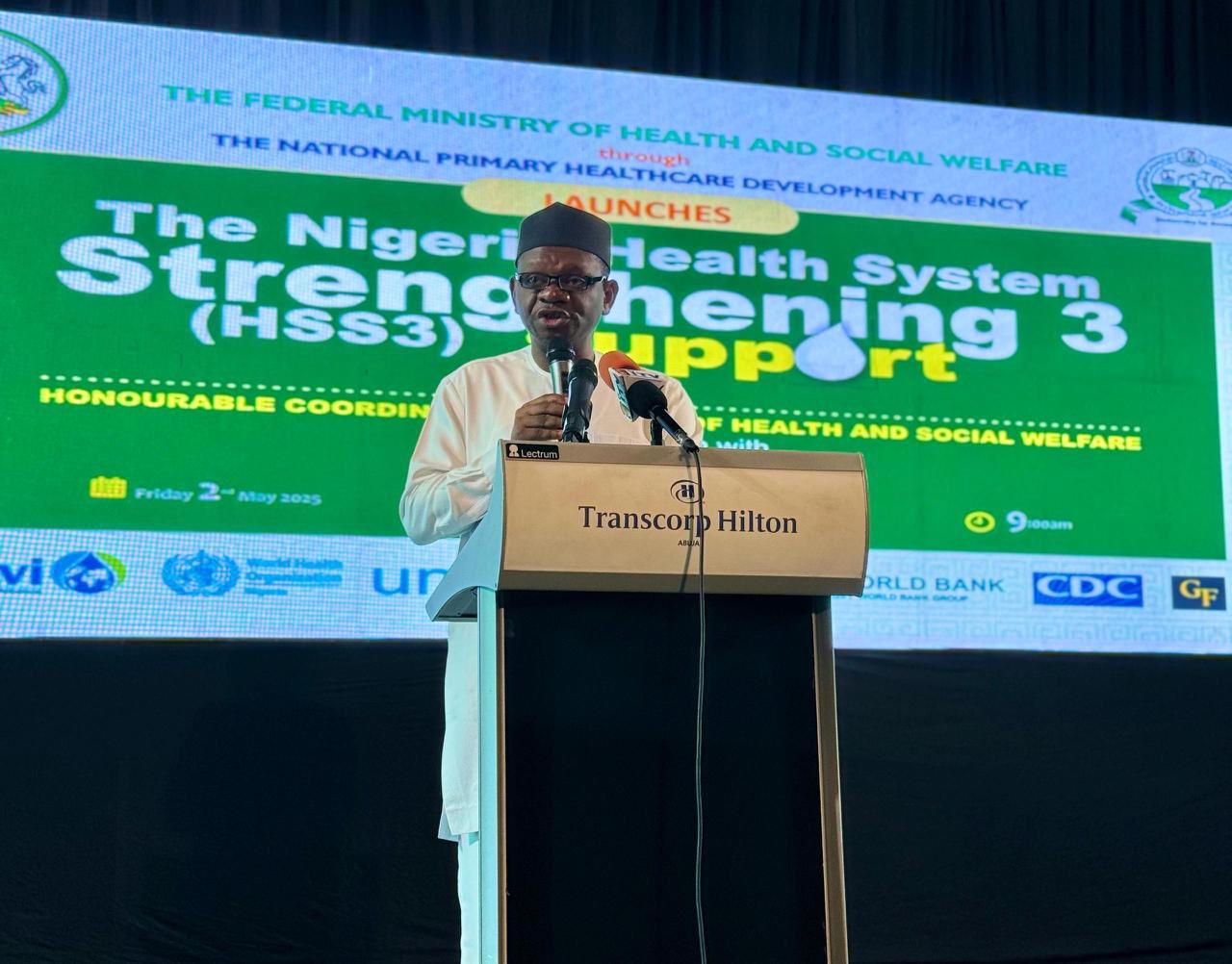
Nigeria has received a $191 million Health Systems Strengthening (HSS-3) grant from Gavi, the Vaccine Alliance, to strengthen its health systems and improve immunisation coverage, particularly reaching underserved populations.
Gavi’s Director of Health Systems and Immunisation Strengthening, Dr. Alex de Jonquières, who disclosed this during the launch of the Health System Strengthening 3 (HSS3) Grant on Friday in Abuja, said that the initiative targets 1.8 million zero-dose children—those who have never received any routine vaccines—and will help increase immunisation coverage to 84% by 2028.
He explained that the grant will support health system expansion, particularly at the sub-national level, stressing that about 80% of the funds will be allocated to states, while more than 10% will go directly to civil society organisations to reach the most underserved communities.
De Jonquières observed that Gavi has invested more than $2.4 billion in Nigeria since 2000, adding that the $191 million grant is one of Gavi’s largest ever, highlighting its scale and significance.
He noted that Gavi’s support has helped in the renovation of 493 primary healthcare centres, recruitment of 3,683 health workers, and the procurement of cold chain equipment and logistics vehicles to strengthen immunisation delivery.
De Jonquières noted that Nigeria still carries the world’s highest burden of zero-dose children and advocated for increased domestic investment and stronger accountability for better health outcomes.

He also announced an additional $100 million investment for a nationwide measles-rubella campaign in 2025, stressing that this support aligns with Nigeria’s Sector-Wide Approach (SWAp) and broader health sector reforms to drive systemic improvements and sustainable progress in child health outcomes.
In his remarks, the World Health Organisation (WHO) Representative in Nigeria, Dr. Walter Mulombo, identified governance as a critical pillar of health systems strengthening and commended achievements recorded by Nigeria through the Sector-Wide Approach (SWAp).
He reaffirmed WHO’s commitment to strengthening the country’s health system through a rights-based approach grounded in governance, transparency, and partnerships.
On her part, UNICEF Representative in Nigeria, Ms. Christian Munduate, called for stronger collaboration between the government and the private sector to ensure sustainable health systems.
Munduate emphasized the need to expand the Basic Health Care Provision Fund (BHCPF), improve transparency in resource utilisation, upgrade healthcare worker training and conditions, strengthen global partnerships, and scale up digital health solutions.

