GDN DESKTOP 1

Advertisement

Tue, 3 Nov, 2026

Read Life Mag

Today’s Game

Daily Snakes and Ladders

12 mins play

Play now

Services & Opportunities

National

Nigeria heading into recession, IMF says

The IMF slashed its growth forecast for the Nigerian economy this year on Tuesday, saying a combination of plunging oil revenues and weakened investor confidence will push it into recession.

Buhari-Lagarde
International Monetary Fund Managing Director Christine Lagarde, right, shakes hands with Nigeria's President Muhammadu Buhari, left, after their meeting at the Presidential Villa in Abuja, Nigeria, January 5. Nigeria is struggling to deal with a number of economic issues, including a fall in oil prices and the impact of Boko Haram's insurgency.
International Monetary Fund Managing Director Christine Lagarde, right, shakes hands with Nigeria’s President Muhammadu Buhari, left, after their meeting at the Presidential Villa in Abuja, Nigeria, January 5. Nigeria is struggling to deal with a number of economic issues, including a fall in oil prices and the impact of Boko Haram’s insurgency. PHOTO: IMF

The International Monetary Fund (IMF)  slashed its growth forecast for the Nigerian economy this year on Tuesday, saying a combination of plunging oil revenues and weakened investor confidence will push it into recession.

The IMF said it expects Africa’s largest economy to contract by 1.8 percent this year, after having forecast in April a 2.3 percent expansion.

Nigeria’s stall, and sluggish activity in the number two economy, South Africa, is expected to pull down economic growth across sub-Saharan Africa, the IMF said, forecasting a “dramatic implication.”

[ad]

Advertisement

“In 2016, regional output growth will fall short of population growth, implying declining per capita incomes,” it said.

Nigeria’s economy has been battered hard by the plunge in oil prices, the main source of the country’s income, as well as prices of other key commodities.

EFN Non Oil Export

In addition, rebels in the southern oil region have forced crude production cutbacks, and internal unrest, especially attacks by the Boko Haram group in the north, has also hurt the economy.

Inflation hit an 11-year high of 16.5 percent in June as prices of food and energy jumped after the government freed up the naira currency in April, allowing it to plummet against the US dollar.

Advertisement

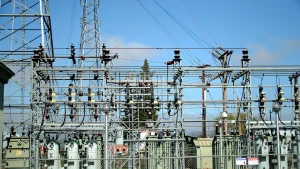
Also weighing on output have been electricity shortages due to rebels’ sabotage of the gas pipelines that fire power plants.


Go Beyond The Headlines

Trusted reporting and sharp analysis on the stories shaping Nigeria and the world, in your inbox.

Subscribe to our newsletter

From the Archive - This December

1988 When sound, rhythm and pipes welcomed royalty in Nigeria

Trending News

Advertisement

More from National

Taboola Recommendation Widget