 Follow Us on Google News
 Follow Us on Google Discover
Managers of prisons and correctional institutions across Africa have stressed that there cannot be a meaningful criminal justice reform without strong and well-resourced prison and correctional systems capable of securely managing offenders while preparing them for successful reintegration into society.
They spoke at the just-concluded African Correctional Services Association (ACSA) conference in Abuja, organised in collaboration with the United Nations Office on Drugs and Crime (UNODC.
Considering the increasing prison populations, overcrowding, security concerns and growing demands for rehabilitation, reforms and reintegration, the delegates noted that technology has become indispensable to effective management of inmates and institutional security.
Against this background, they called on African governments to reposition correctional services as strategic national institutions, stating that investment in prisons and corrections ultimately contributes to safer communities, lower recidivism, and improved public confidence in the administration of justice.
Furthermore, they recommended the establishment of a dedicated prisons and correctional governance platform within regional organisations, such as the African Union (AU), ECOWAS, the Southern African Development Community (SADC), and other regional blocs.
Participants also proposed the creation of a standing committee to periodically convene the concerned ministers, heads of correctional services, development partners and other key stakeholders to review emerging challenges, harmonise policies, promote regional cooperation, and coordinate continental reforms.
Meanwhile, Nigeria’s Minister of Interior, Dr Olubunmi Tunji-Ojo, emphasised that technology has become a major support pillar, particularly in addressing long-standing challenges such as jailbreaks, poor inmate records management, delayed case tracking, and ineffective institutional coordination.
Highlighting the ongoing transformation in the Nigerian Correctional Service (NCoS), he explained that the deployment of digital solutions has significantly strengthened custodial security and improved decision-making in correctional facilities, especially as criminal networks continue to adopt increasingly sophisticated methods.
He further challenged African governments to recognise correctional services as essential institutions for public safety, national security, and sustainable development rather than view prisons merely as places of confinement.
Meanwhile, delegates also used the opportunity to review correctional practices among countries, share success stories, discuss policy failures, and examine innovative approaches to offender management, while committing to improving prison and correctional administration across the continent through collaboration.
Nigeria, others urge improved correctional reforms in Africa
Date: 21 July 2026 4:47am WAT
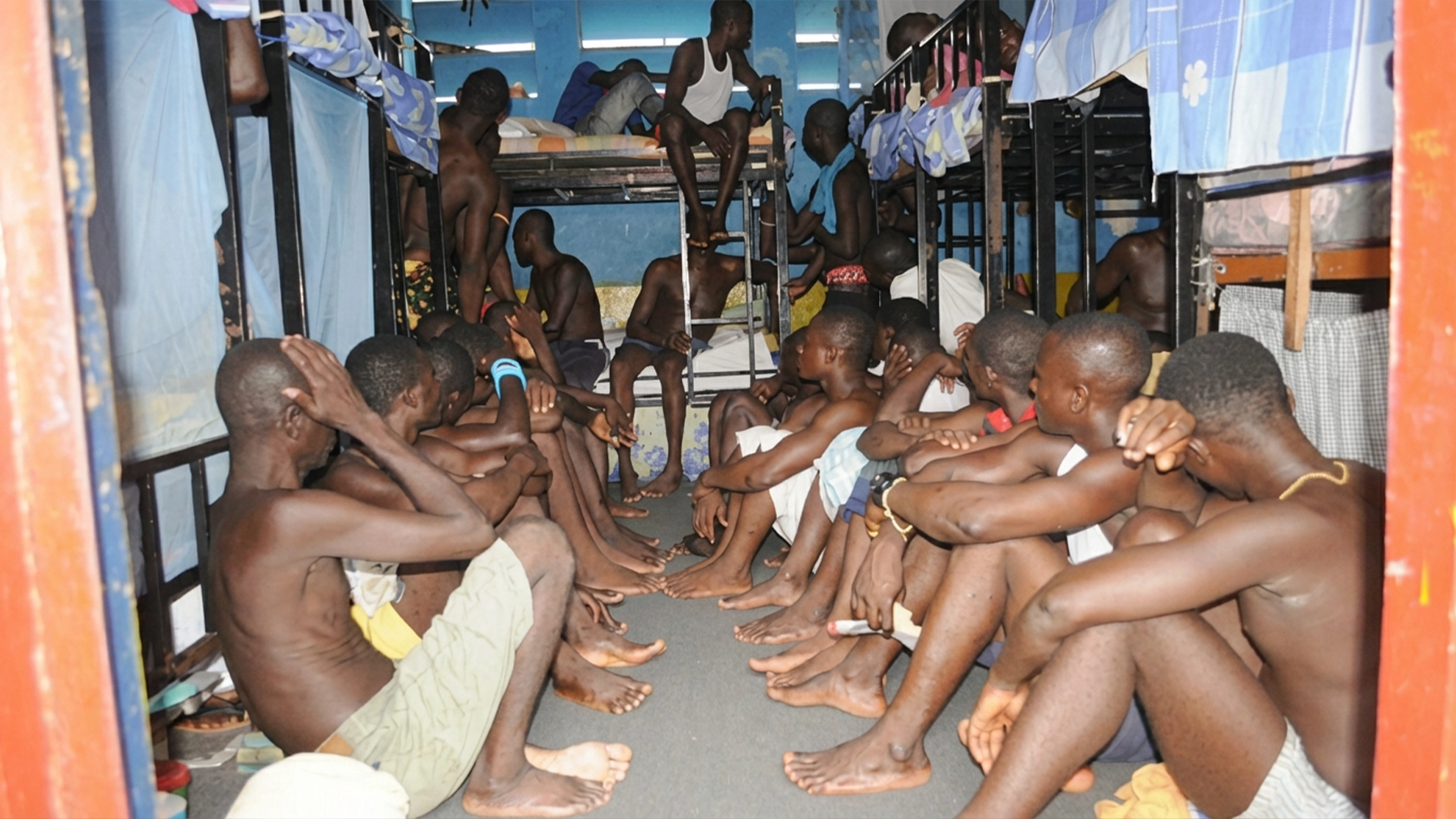
Nigerian prison
Nigerian prison

