 Follow Us on Google News


 Follow Us on Google Discover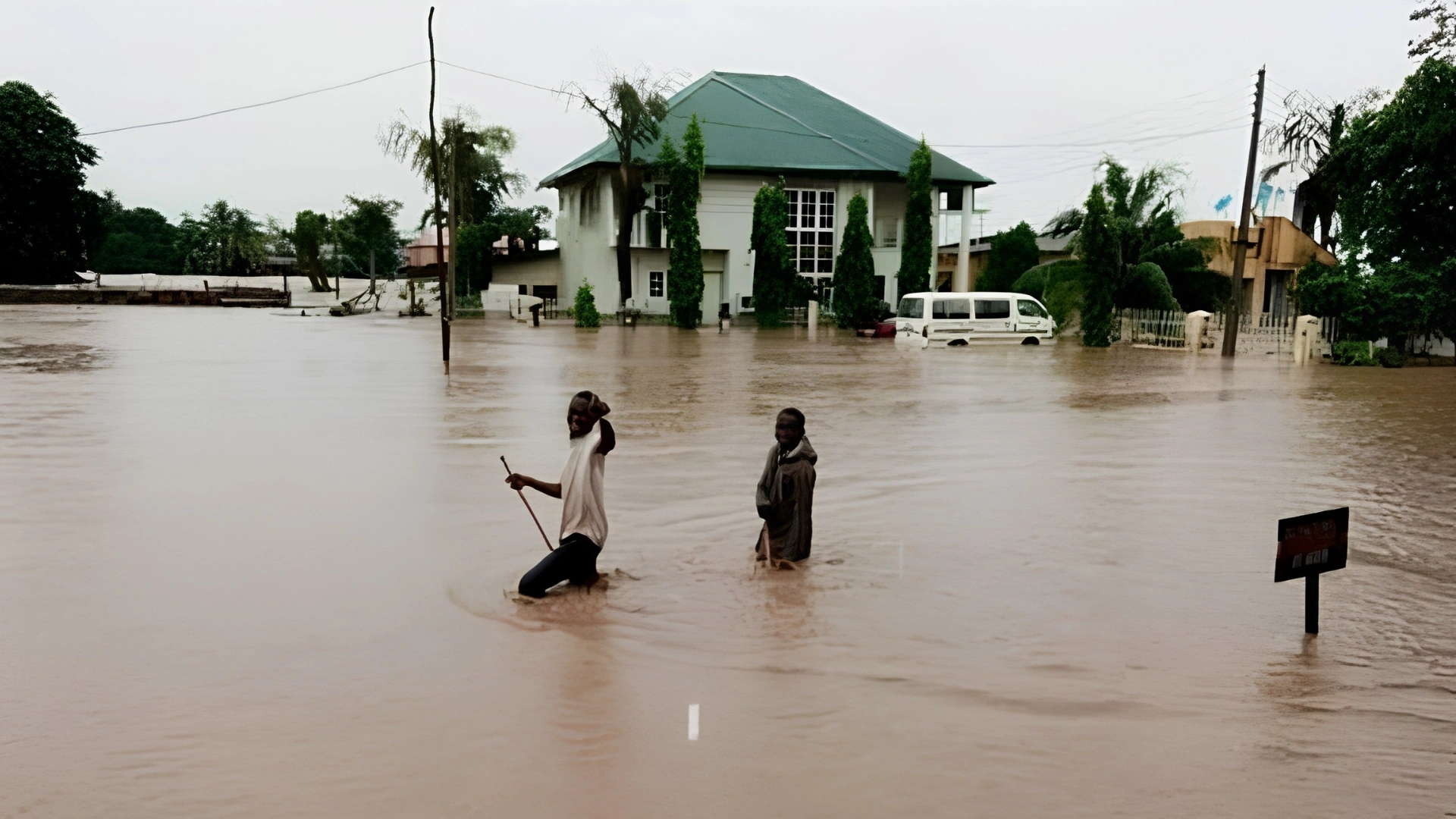
Former spokesman for President Bola Ahmed Tinubu in the South-East, Denge Josef Onoh, has called for an independent investigation into the recurring flooding in Abuja, saying the dispute between Senator Ireti Kingibe and Minister of the Federal Capital Territory, Nyesom Wike, should not overshadow failures in urban planning and land administration.
Onoh said the recent heavy rainfall and flooding in parts of the Federal Capital Territory should serve as a wake-up call to the FCT Administration and institutions responsible for planning, development control and environmental protection.
Speaking from his experience in urban planning and enforcement, Onoh said he served two terms as executive chairman of the Enugu State Capital Territory Development Authority.
He said his experience in the role gave him first-hand knowledge of the consequences of poor environmental management and weak enforcement.
According to him, Abuja was deliberately designed with drainage corridors, waterways, floodplains, green areas and environmental buffers to control stormwater and protect the city from flooding.
He argued that the rapid expansion of the capital, coupled with questionable developments, encroachment on environmentally sensitive areas, blocked drainage channels and inadequate enforcement of planning regulations, required urgent institutional action.

“The argument over whether Wike or Kingibe is right is secondary. The fundamental question Nigerians are asking is: who approved these buildings on waterways, floodplains and drainage corridors, and who allowed them to remain there?
“If the structures are illegal today, they did not appear overnight. Somebody allocated the land, somebody processed the plans, somebody inspected the construction and somebody failed to stop it.
“Demolition is necessary where structures are obstructing waterways, but demolition alone cannot constitute accountability. Nigerians deserve to know how these structures received approval in the first place and whether those responsible will face sanctions.”
Onoh’s comments followed criticism by Kingibe of the FCT Administration over what she described as failures to adequately address warnings about blocked drainage channels and developments on green areas, floodplains and waterways.
Kingibe had argued that the destruction or conversion of areas originally intended to accommodate floodwater had contributed to Abuja’s vulnerability.
Wike, however, rejected responsibility for the flooding, citing illegal construction on waterways, indiscriminate refuse dumping and the effects of climate change.
Onoh said both arguments contained issues that deserved consideration but warned against reducing the flooding crisis to a political blame game.
“Residents who throw refuse into drains must stop. There is no justification for indiscriminate dumping of waste. But government cannot transfer its responsibility for land administration, building approvals, drainage infrastructure and enforcement to ordinary residents.
“Likewise, climate change is a reality. But climate change does not issue building approvals. Climate change does not allocate land on waterways. Climate change does not construct buildings inside drainage corridors.
“Those are human decisions, and where human decisions create avoidable risks, there must be accountability.”
The former presidential spokesman urged the FCT Administration to commission an independent and comprehensive flood-risk audit of Abuja involving hydrologists, environmental experts, urban planners, engineers and other relevant professionals.
He said the audit should produce a publicly accessible map identifying major floodplains, waterways, drainage corridors, green areas and locations where development had obstructed natural water channels.
Onoh also called for a review of land allocations and building approvals in flood-prone areas.
“Every approval for development on or around a waterway should be examined. Where an official acted improperly, that official should be held accountable. Where a developer violated planning regulations, the law should take its course.
“Accountability cannot stop at the bulldozer. It must extend to the desk where the approval was signed.”
He urged the FCT Administration to immediately identify and clear major drainage channels and waterways obstructed by illegal structures and refuse, audit land allocations and building approvals in flood-prone areas, and investigate officials involved in approving developments on waterways and drainage corridors.
He further called for the protection of Abuja’s remaining green spaces, floodplains and environmental buffers, as well as the expansion and modernisation of drainage infrastructure to reflect the city’s population growth and rapid urbanisation.
Onoh also advocated stronger waste-management systems and enforcement against indiscriminate dumping, alongside the development of a long-term Abuja Flood Resilience Plan based on scientific flood modelling and climate projections.
He said Abuja’s original master plan should not become merely a historical document referenced whenever flooding occurs.
“Abuja was planned as a modern capital. Its environmental and drainage systems were not accidental features. They were part of the city’s design.
“We must therefore ask whether the master plan is still being respected, whether planning institutions have the capacity to enforce it and whether commercial and political pressures have compromised land-use decisions.
“Government must have the courage to investigate itself where necessary. The public interest must come before political convenience.”
Onoh said the flooding crisis raised fundamental questions about governance, institutional coordination and the FCT’s capacity to manage rapid urban growth and extreme weather events.
“Abuja cannot continue to expand without expanding its drainage and environmental protection systems.
“We cannot destroy the areas meant to receive floodwater and then blame the rain when the water has nowhere else to go. Rainfall may trigger the flood, but poor planning, blocked waterways, indiscriminate construction and weak enforcement can determine the scale of the damage.
“The time has come for Abuja to move from blame to solutions, from demolition to accountability, and from emergency response to proper long-term planning. The people deserve a capital city that is resilient, properly planned and capable of protecting lives and property,” Onoh said.
By XYZ

