The Yoruba Council of Elders has said Nigeria’s worsening insecurity requires the active involvement of citizens and traditional institutions, warning that government action alone would not be sufficient to stem the tide of violence across the country.
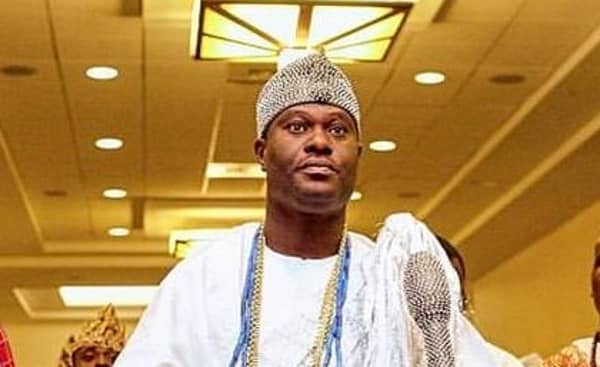
The position was articulated during a courtesy visit by the leadership and members of the council’s state chapters to the Ooni of Ife, Oba Enitan Ogunwusi, at the Arole Oodua Palace in Ile-Ife, Osun State.
Speaking on behalf of the council, its president, Jibade Oyekan, described insecurity as the most pressing challenge confronting the nation, citing recent mass abductions and violent attacks in parts of Niger, Kebbi, and Kwara states. He said the situation demanded collective responsibility beyond the efforts of federal and state authorities.
“This should not be left in the hands of government alone,” the council said in a statement issued on Tuesday. “Going forward, therefore, all Nigerians must participate in curbing the menace of insecurity collectively to eradicate it.”
The elders urged governments at all levels to allow traditional rulers to fully deploy their influence within local communities as part of broader efforts to improve intelligence gathering and community vigilance. They argued that traditional institutions remain close to the grassroots and could play a stabilising role if properly engaged.
The council also addressed concerns over land ownership in Yorubaland, warning that indiscriminate sale of land to non-indigenous interests could have long-term implications for identity and security. It advised landowners to consider alternatives such as leasing rather than outright sale.
“It was proposed that the lease of land space should be explored, as was the case between the Chinese and Britain in the lease of Hong Kong to the British in the 19th century,” the statement said. “To achieve this goal, it is important to give serious consideration to the issue of the culture of land ownership and acquisition by strangers, to the extent that future generations will not lose out.”
The elders cautioned that “Yorubaland and the Yoruba people must not fall into the trap of the current Palestinian debacle,” stressing the need for policies that protect communal interests over the long term.
They further called on the federal and state governments to revisit the constitutional roles of traditional rulers in land administration, arguing that clearer responsibilities could help stabilise the polity and reduce the polarisation associated with partisan politics.
The visit also coincided with activities marking the 10th anniversary of Oba Ogunwusi’s reign, during which the elders offered prayers for the monarch, wishing him continued guidance and strength on the throne.