 Follow Us on Google News


 Follow Us on Google Discover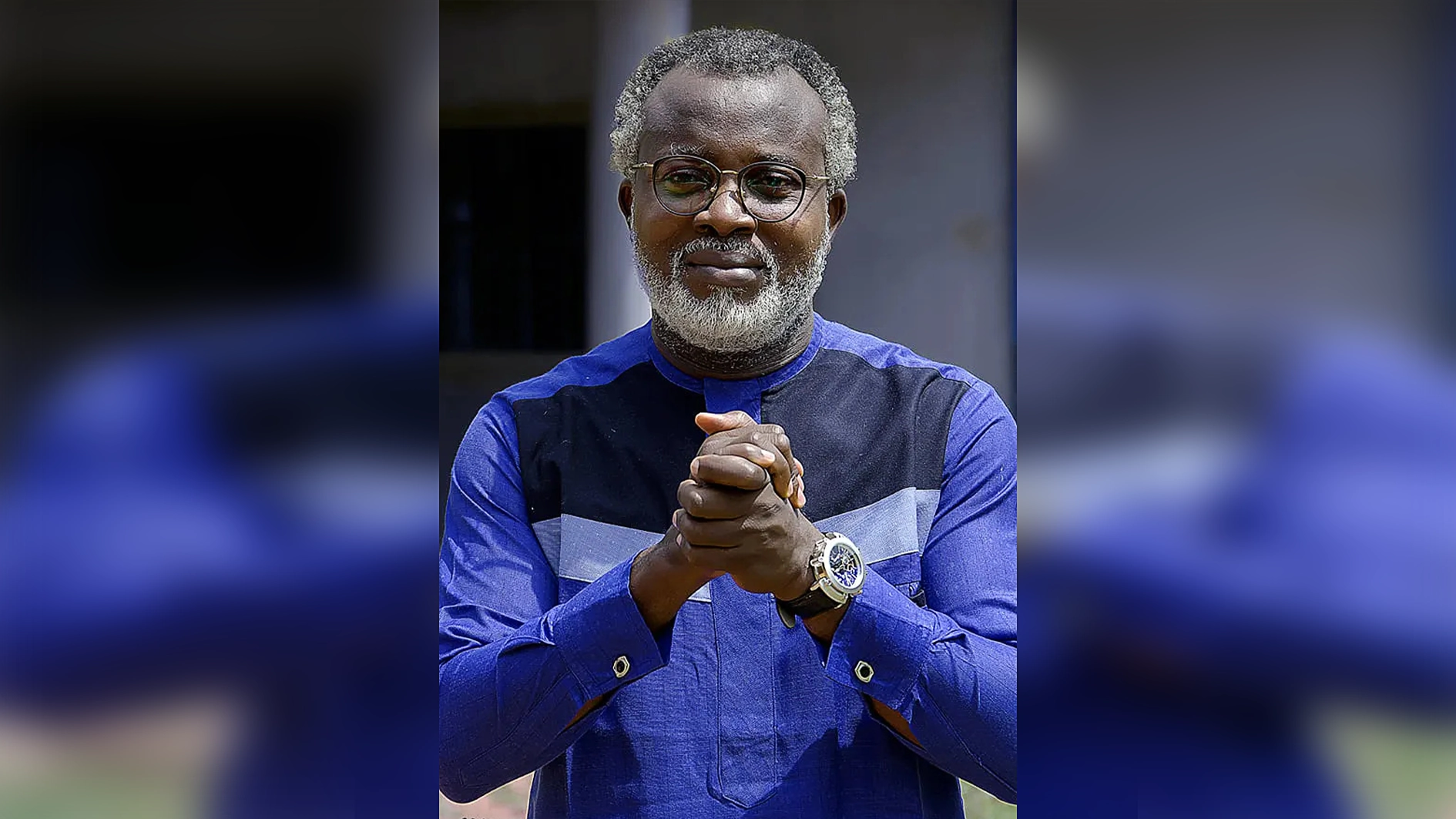
A Communication Specialist, Dr. Steven Adesemoye has challenged all critical stakeholders on the urgent need for targeted, hyperlocal, and pro-poor mental health education and support systems. He spoke during the Achievers Crew yearly retreat on Friday, June 19, underscoring the importance of addressing men’s mental health.
In his presentation entitled “The Unspoken Battle: Understanding Men’s Mental Health”, the strong advocate for social reform and mental health awareness in Nigeria called for immediate action. Adesemoye laid bare the crisis of mental health among Nigerian men, a demographic long conditioned to mask vulnerability behind the facade of strength and success.
“The silence in this room right now is the data,” he told an audience of high-performing men, highlighting that societal rules like ‘Big boys don’t cry’ and ‘Man up’ have created a culture where emotional suppression is rewarded, and professional help is shunned.
He cited figures from the Federal Ministry of Health and the World Health Organisation indicating that between 20% and 30% of Nigerians suffer from mental health problems. Yet, the country has a few psychiatrists to serve a population of 240 million. Suicide rates in Nigeria are among the highest in Africa, with studies confirming higher male suicide rates and a documented misconception that “depression is for women,” which delays diagnosis for years.
The presentation challenged participants to break free from what Adesemoye termed “the Code Nigerian boys are handed at birth.” This code includes unspoken rules that equate stoicism with strength, view mental health struggles as spiritual attacks, and label therapy as something for the ‘mad ones.’ The speaker noted that men rarely say ‘I am depressed’; instead, distress manifests through irritability, anger, overworking, sleep disruption, brain fog, physical complaints like chest tightness and headaches, and withdrawal from social circles. Economic hardship, the ‘Japa’ emigration effect, and digital comparison on social media were identified as critical stressors unique to the Nigerian man in 2026.
To combat these challenges, Adesemoye not only diagnosed the problem but also offered practical, evidence-based solutions. He led attendees through live exercises, including a 60-second body scan and a 3-minute ‘brain dump’ journaling session, tools designed to build awareness and reduce cortisol levels. He built an “arsenal” for the modern Nigerian man, emphasising regular physical exercise, protecting sleep, talking to trusted persons, and minding the gut-brain link through local foods like oily fish, leafy greens, and fermented foods such as ogi. The presenter equally underscored the power of ‘box breathing’ and daily journaling as quick, effective habits.

He advocated establishing a help desk in each ward, staffed by experts and equipped with the necessary facilities to provide accessible and affordable care. This, he argued, is the only way to bridge the wide treatment gap and dismantle the stigma that keeps millions from seeking help.
Adesemoye concluded by outlining when to seek professional help without shame and how to support a brother who is struggling. He urged the Achievers Crew to be first responders for one another, advising them to ask directly, “Are you actually okay?” and to listen without immediately offering solutions. He championed the normalisation of professional help, stating, “I spoke to someone and it helped.”
The session ended with the Achiever’s Mental Health Pledge, in which participants committed to checking in on themselves, choosing a wellness habit, checking in on a struggling person, and breaking the code of silence. “The bravest thing a man can do is admit he needs help and ask for it,” Adesemoye declared. “You did not come this far to be undone by something that could be treated, managed, and healed.”

