 Follow Us on Google News



 Follow Us on Google Discover
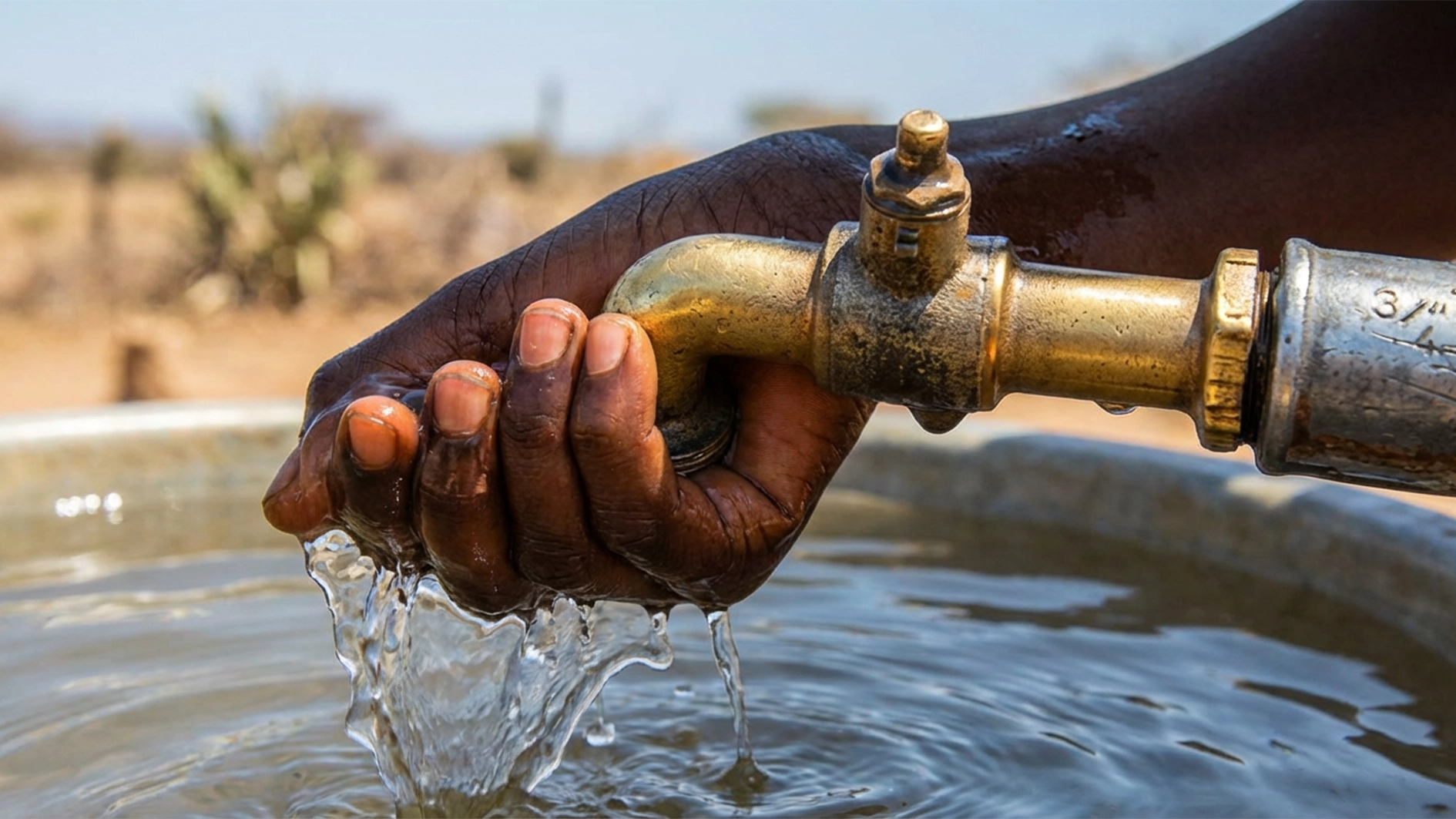
For Ahmed Barua and other residents of Baruwa in the Alimosho area of Lagos State, getting enough water to drink, cook and maintain proper hygiene remains a daily struggle.
Despite being connected to the state’s water network, the community continues to grapple with irregular supply, leaving households searching for alternatives.
Barua said water was supplied about three times a week, but the quantity was insufficient to meet residents’ needs. Electricity shortages sometimes disrupted pumping because the generator needed to operate the facility was not always running.
He said he had been unable to obtain water through his prepaid meter for several days, despite contacting the relevant authorities and sending a message to a manager who promised to investigate.
However, for families already struggling with the cost of food, transport and electricity, unreliable water supply means additional stress and expense.
When water does not flow, residents must find other sources, often without knowing whether the water is safe.

Community members have also raised concerns about the condition of natural water sources, which they believe have been contaminated by petrol leaking from buried pipelines transporting fuel from the Mosinmi oil depot to the Ejigbo oil facility.
The alleged contamination, according to the community, requires independent environmental testing to establish its extent and cause.
Barua said residents had attended meetings and approached government officials over the years in search of a lasting solution, saying that though previous interventions reportedly improved access to some extent, the supply remained inadequate.
His experience was among the concerns raised at a symposium organised by Corporate Accountability and Public Participation Africa (CAPPA) in Lagos on Friday, October 16, 2026 during the 2026 Africa Week of Action Against Water Privatisation.
Community representatives, activists and organised labour opposed the expansion of prepaid water meters and privatisation, warning that the arrangements could make access to an essential resource more difficult for low-income households.
The symposium, titled “No Illusions: Prepaid Water Meters and Water Privatisation Are Failed Models for Lagos, Nigeria,” called for greater public investment in water infrastructure and reliable, affordable supply.
For residents, such as Barua, the immediate concern is not who collects the money but whether water will be available when they need it.
CAPPA Executive Director, Akinbode Oluwafemi, warned that prepaid metering could leave vulnerable households without water when they cannot afford to recharge their meters.
“When a meter cuts off supply because credit has expired, it cannot distinguish between leaking pipes or a family waiting for daily wages. It cannot account for unemployment, illness or an emergency. It simply enforces exclusion,” he said.
Oluwafemi also questioned reported plans for long-term water concessions, including possible 20-year agreements and tariffs reflecting service costs.
He called on the Lagos State Government to make proposed agreements public so residents could understand how the arrangements might affect their bills and the delivery of water.
“The details and status of the reported concessions require confirmation from official documents and the relevant authorities,” he said.
CAPPA Associate Executive Director, Zikora Ibeh, also opposed the privatisation drive, citing the reported dismissal of more than 800 Lagos Water Corporation workers.
According to him, the figure and circumstances surrounding the dismissals require independent verification.
Meanwhile, National President of the Precision, Electrical and Related Equipment Senior Staff Association (PERESSA), Rufus Olusesan, has warned that privatisation could increase tariffs, disadvantage poorer households and threaten workers’ jobs and pensions.
“Water is public. Water is life. And life is not for sale,” he said, calling for public investment, accountability and affordable access.
Other participants highlighted complaints from Baruwa and Akilo about intermittent supply, low water pressure, delays in meter activation and discrepancies between payments and the water received. These complaints, they stated, raise questions about accountability when residents pay for a service they cannot reliably access.
Movement for Socialist Alternative activist, Dagga Tolar, called on the government to rehabilitate existing waterworks, expand mini and micro waterworks and develop a comprehensive public water supply programme.
He, however, proposed a “Water for All Action Plan” for Lagos State, Nigeria and Africa, urging residents, trade unions and civil society groups to organise for public investment and make water access a major issue ahead of the 2027 elections.
David John, who presented preliminary research at the symposium, proposed progressive tariffs under which industrial and affluent commercial consumers would contribute more towards financing water services.
He also called for direct public funding to rehabilitate infrastructure and greater community participation in monitoring supply.
Participants further advocated community water-watch committees involving workers, women, young people, health workers and community leaders to report faults and hold service providers accountable.
The debate echoes controversy surrounding provisions in the Lagos Environment Bill in 2017, when proposed restrictions on certain forms of water extraction and distribution attracted criticisms from civil society groups. The precise provisions and their subsequent withdrawal should be confirmed against legislative records and contemporary reports.
For Barua and other residents, however, the immediate problem remains unresolved.
They, however, advocated a dependable supply, functioning infrastructure and clear channels through which complaints could lead to action.
“Lagos State Government and relevant water authorities need to clarify the status of proposed concessions, explain meter charges and complaint procedures, and address residents’ concerns about supply reliability and the safety of alternative water sources.
“Water treatment, distribution, repairs and maintenance require funding. Reforms must not leave households paying repeatedly for water they cannot reliably obtain.
“A prepaid meter cannot repair a broken pipeline, provide electricity for pumping or establish whether contaminated water is safe to drink,” they said.

