 Follow Us on Google News
 Follow Us on Google Discover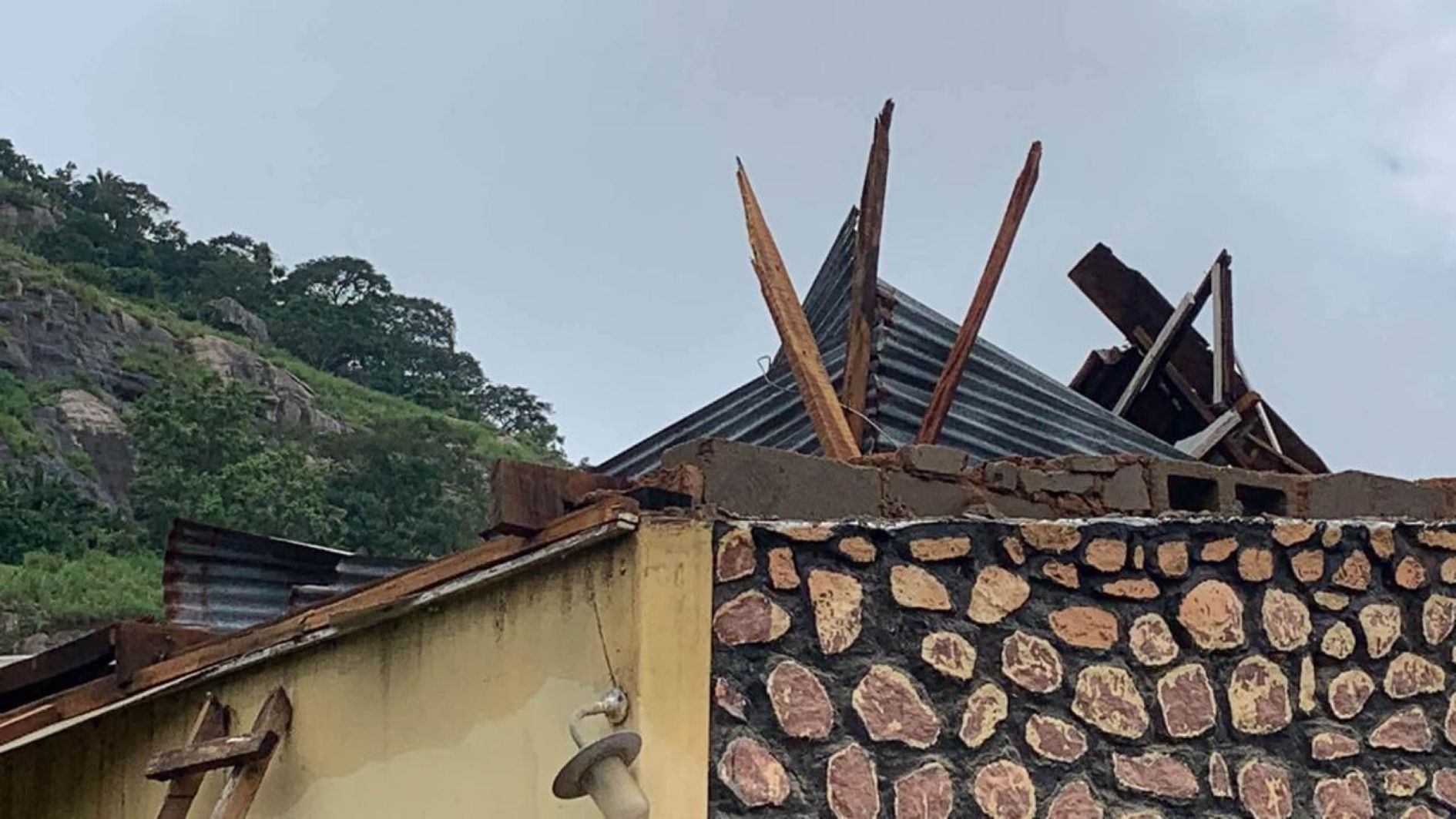
The persistent downpour and accompanying rainstorm submerged residential areas, ripped off roofs and damaged homes and public infrastructure.
The heavy rainfall, which began on Monday night, September 7, 2026, also triggered severe flooding in parts of the community. Ecological factors were said to have contributed to the extent of the flooding during and after the rain.
Some streetlights, solar panels and poles, as well as electrical installations, were also damaged.
Natives and residents of the agrarian community expressed shock over the extent of the destruction, saying the rainstorm damaged several residential buildings, a primary school and utility infrastructure.
Witnesses said the rain, which lasted several hours, destroyed parts of residential buildings, fences and other structures, while some residents were forced to vacate their homes after the storm rendered parts of the buildings unsafe.
A resident, who pleaded anonymity, said no fewer than 20 houses were severely affected, while several other structures sustained varying degrees of damage.
According to the resident, the incident displaced some families, forcing them to seek temporary shelter with neighbours and relatives.
Speaking on the disaster, the Public Relations Officer of the Association of Isua Advisory Council, Ajoke Alecs Banana, said the destruction was extensive, although no lives were lost and no injuries were recorded.
Banana said affected residents were facing serious difficulties following the destruction of their properties and displacement from their homes.
“Fortunately, there were no casualties and no injuries, but some families were displaced as a result of the disaster,” he said.
He, however, said the extent of the damage could not be attributed to the rainfall and storm alone, explaining that ecological factors also contributed significantly to the destruction.
According to him, the situation had created an urgent need for intervention to cushion the effects of the disaster on affected residents.
Also speaking, the Secretary of the Association of Isua Advisory Council, Raymond Adeyemi, said the association was already making efforts to bring relief to the victims.
Adeyemi said the association was concerned about the plight of affected residents and would continue to support them while seeking assistance from relevant authorities and stakeholders.
The community appealed to the Ondo State Government, Akoko South-East Local Government, the National Emergency Management Agency (NEMA), the Ondo State Emergency Management Agency (SEMA) and other relevant bodies to urgently intervene and assist the victims.
Residents also called for measures to address the ecological factors contributing to the destruction and prevent a recurrence of the disaster in the community.

