 Follow Us on Google News


 Follow Us on Google Discover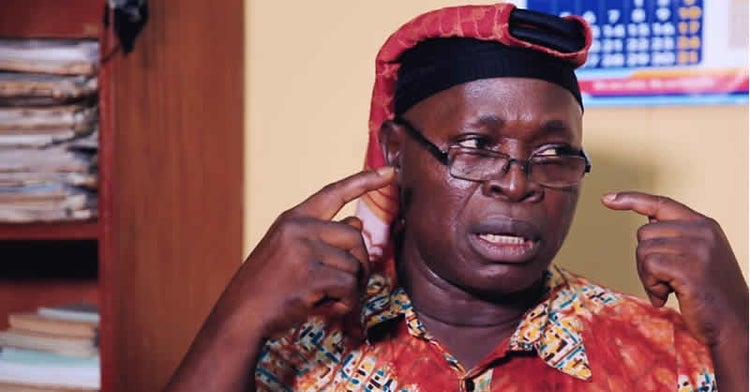
The Muslim Rights Concern (MURIC) has accused some northern Christian leaders of hypocrisy and insincerity, urging them to match their calls for unity with their actions.
In a statement issued on Thursday, 2 April 2026, the Kano State chairman of MURIC and coordinator of its northern wing, Hassan Sani Indabawa, said the group received recent goodwill messages from Christian leaders with scepticism.
The statement was in response to remarks made by Joseph John Hayab, chairman of the Forum of Northern Christians (FNC), who had earlier called for mutual respect, understanding, and love between Muslims and Christians during the Eid-el-Fitr celebrations.
While acknowledging the message, MURIC described it as “hypocritical” and questioned the motives behind it, alleging that some Christian leaders had engaged in actions that contradict such calls for unity.
“It is perplexing to note that while northern Christians urge unity in the day, they write petitions to the United States in the night,” the statement said, alleging that some Christian leaders have promoted narratives of religious persecution abroad.
The group claimed that certain Christian figures had previously accused the Nigerian government of failing to protect Christians and had sought foreign intervention based on what it described as “false narratives” of genocide.

MURIC further alleged that some northern Christian leaders declined joint engagements with international delegations and instead held separate meetings, raising concerns about transparency.
The organisation also criticised what it called “double standards” in the condemnation of violence, alleging that some Christian leaders are quick to speak out when Christians are victims but remain silent when Muslims are affected.
According to the statement, such actions have contributed to distrust between religious groups and undermined efforts at promoting interfaith harmony.
Despite its criticism of leadership, MURIC noted that ordinary Muslims and Christians in many northern communities continue to coexist peacefully, citing examples of tolerance and neighbourliness.
It maintained that minority Christians living in Muslim-majority states across the North enjoy relative peace and access to their rights, while alleging that minority Muslims in some parts of the country face discrimination and violence.
The group also referenced comments by other Christian clerics, including Ezekiel Bwede Dachomo, accusing them of making inflammatory statements and calling for foreign intervention in Nigeria’s internal affairs.
MURIC described such actions as unpatriotic and warned that inviting external forces into the country’s affairs could undermine national sovereignty and security.
It added that portraying Nigeria’s security challenges as purely religious was misleading, insisting that insecurity in the country is complex and affects all groups regardless of faith.
The organisation called on Christian leaders, particularly within the Forum of Northern Christians, to address internal issues and demonstrate accountability.
“As equal stakeholders in the Nigerian project, we must all genuinely work towards living in peace and mutual respect,” the statement said.
MURIC urged religious leaders to avoid “mischief” and instead promote sincerity, patriotism and integrity in their engagements.
It also emphasised the need for both Muslim and Christian communities to strengthen interfaith dialogue and cooperation, noting that peaceful coexistence remains essential for national unity.
The group concluded by calling on the Forum of Northern Christians to “put its house in order” and ensure that its members align their actions with their public statements.

