 Follow Us on Google News
 Follow Us on Google Discover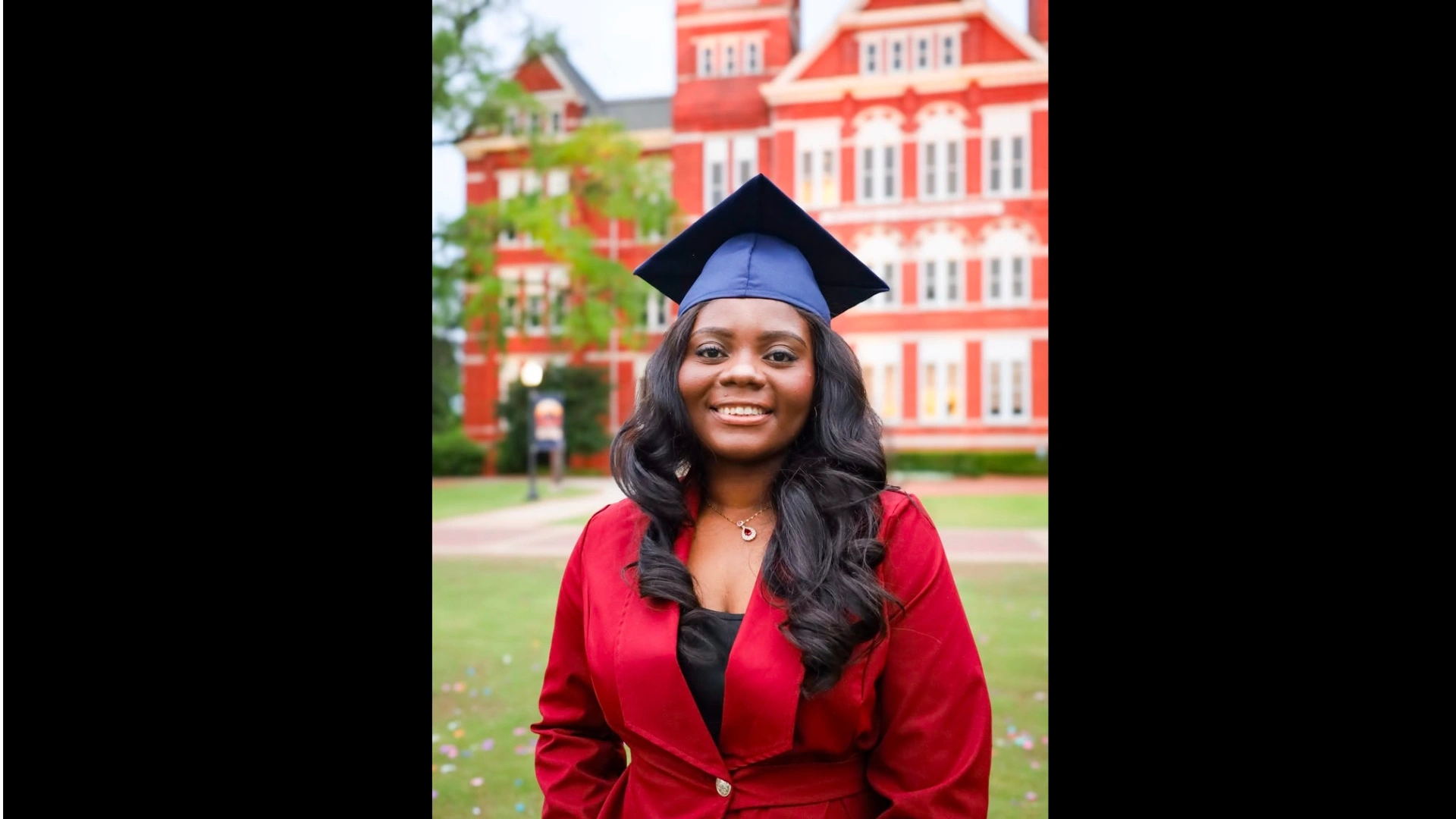
A banker from Nigeria spent a decade watching companies waste their own data. Now she has $200,000-plus PhD funding to study why.
Oghenetega Deborah Wash-Anigboro, known as Tega, won the prestigious MSU Dean scholarships and is set to start a fully funded PhD program in information systems at Mississippi State University in the USA this fall. The scholarship not only covers tuition, but also full living costs over the next four years of her program, a package worth more than $200,000. She was part of only three scholars selected from a global pool of more than 120 research applicants after a rigorous screening process and is the only African in this year’s cohort. Her research focus: cybersecurity and data analytics.
From bank floors to a research question
Tega’s path to a doctorate didn’t start in a classroom. It started on the floor of one of Nigeria’s largest banks, where she watched how a single rushed decision could ripple through a customer’s account and the bank’s own risk exposure.
That early exposure to risk left her with a question she’s carried for most of her career: why do some organisations turn data into better decisions, while others, with access to the exact same tools, never do?
She kept running into that gap. After banking, she moved into retail and supply chain management, where demand forecasting wasn’t a theoretical exercise but a problem she had to solve every single week.

Auburn built the toolkit
The academic case for studying that gap formally took shape at Auburn University, Alabama, USA, where Tega completed a dual MBA and Master of Science in Information Systems. The combination meant econometrics and panel data analysis stacked on top of a full MBA course load.
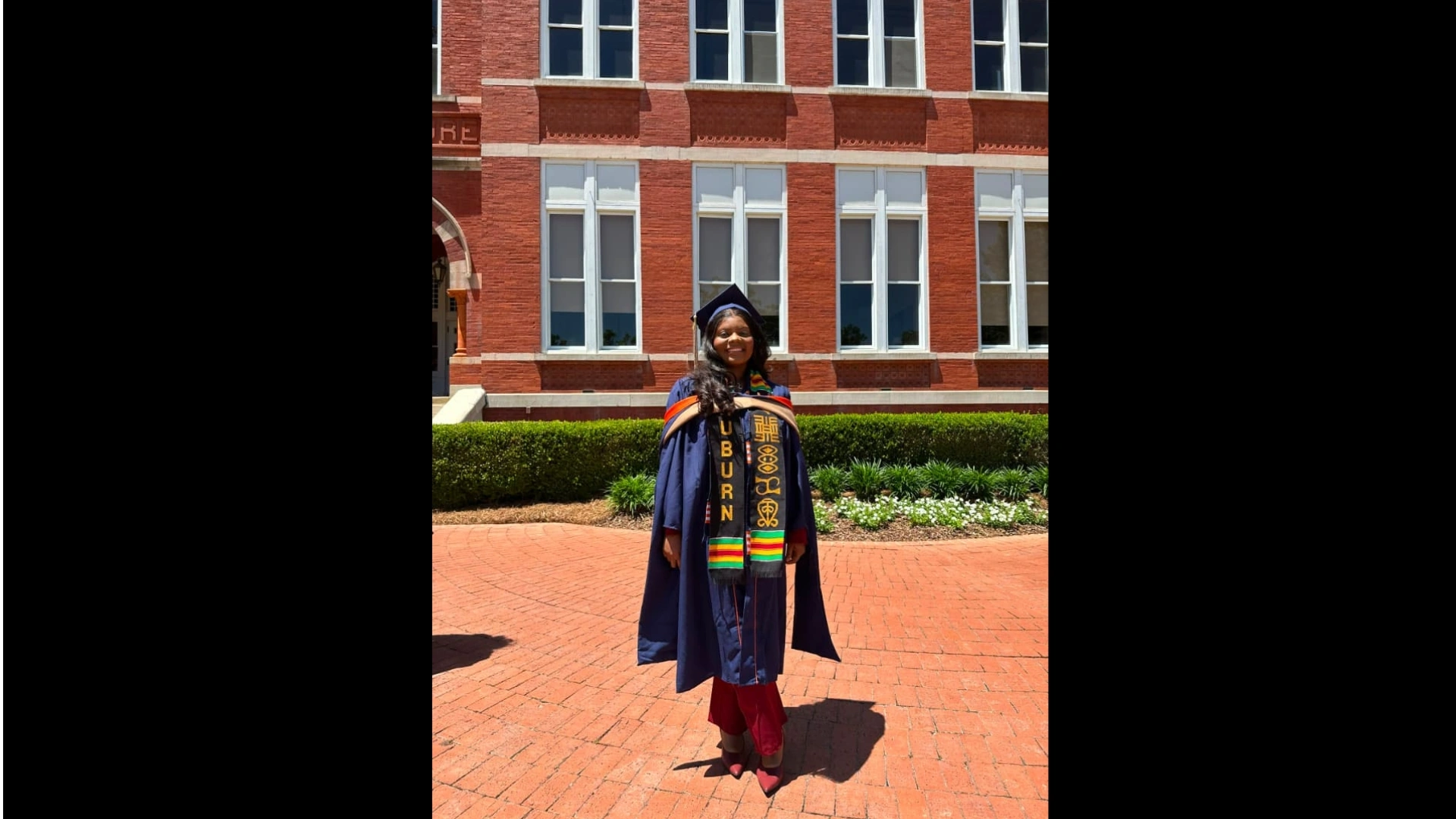
By the time she finished in May 2026, she already had peer-reviewed research published on AI-enabled optimisation and analytics-driven performance with over 22 citations. That work signalled this wasn’t a side interest. It was the start of a research agenda.
The question with no easy answer
Here’s the gap Tega is actually chasing: companies of every size now pour money into analytics platforms, dashboards, and AI tools. The returns on that spending vary wildly. Some firms use the data to genuinely change how they operate. Others install the software, run the training, and watch usage quietly drop off within a year.
She frames it as the distance between what analytics can do for an organisation and what most organisations actually do with it. That distance, in her view, is one of the more underexamined problems in business today, and it shows up regardless of industry or geography.
At Mississippi State, that question is getting a sharper edge: “cybersecurity”. Not just whether a company bought the right security tools, but whether the people inside it trust and use them once the system is live.
Why her path matters
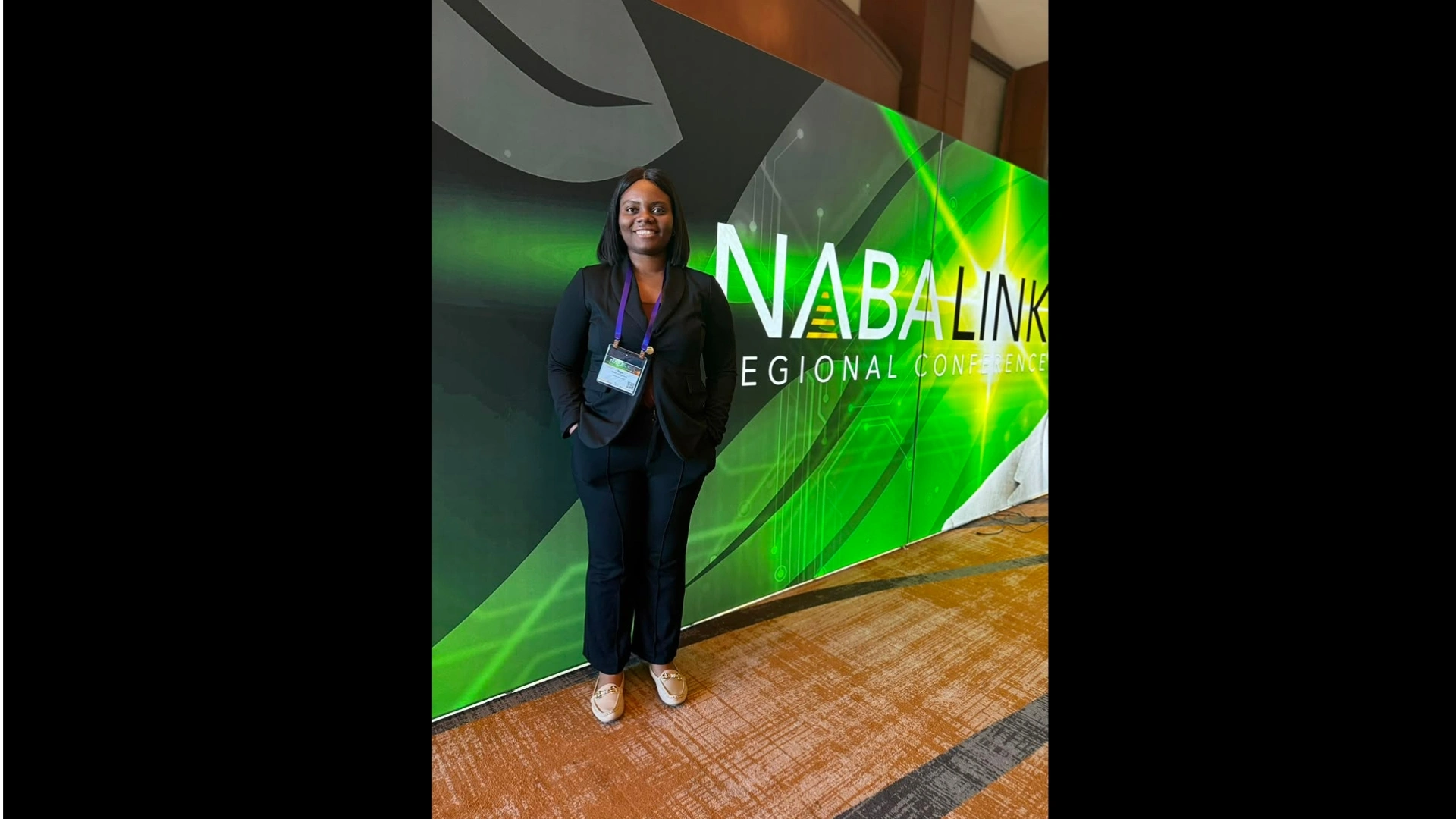
Tega’s journey does not fit neatly into a single category. She is not a prodigy who followed a straight line from top grades to top programs. She is something arguably more interesting: a professional who looked at her own industry experience, recognised its limitations, and decided to build the intellectual tools to go deeper. She is also a Nigerian woman breaking barriers and navigating spaces where people who look like her are still underrepresented, carrying with her not just personal ambition but a quiet determination to ask the questions that matter most.
This August, she arrives in Starkville, Mississippi, USA with a question she’s been sitting with since her first job. Four funded years and a research university now stand behind her search for the answer.

