A multi-faith coalition of peacebuilders has warned that the widespread killings and escalating insecurity across several Nigerian states are being wrongly portrayed as a religious war, insisting that the real crisis gripping the nation is the persistent failure of state institutions to protect citizens.
The coalition said that the pattern of attacks in Plateau, Kaduna, Benue, Niger, Zamfara, Katsina, Kebbi, Sokoto, Borno, Yobe and other states reflects a deep governance crisis, not an orchestrated effort to eliminate any religious group.
In a statement by its Chairman, Prof. Awal Abdulsalam and Secretary, Elder Justina Ngwobia, the coalition noted that both Christians and Muslims continue to suffer devastating losses, including women, children, the elderly, in markets, homes, places of worship and on highways.
The group expressed concern that the rising international commentary and social media narratives have amplified religious interpretations of the conflict, warning that such framing obscures the structural issues driving Nigeria’s insecurity.
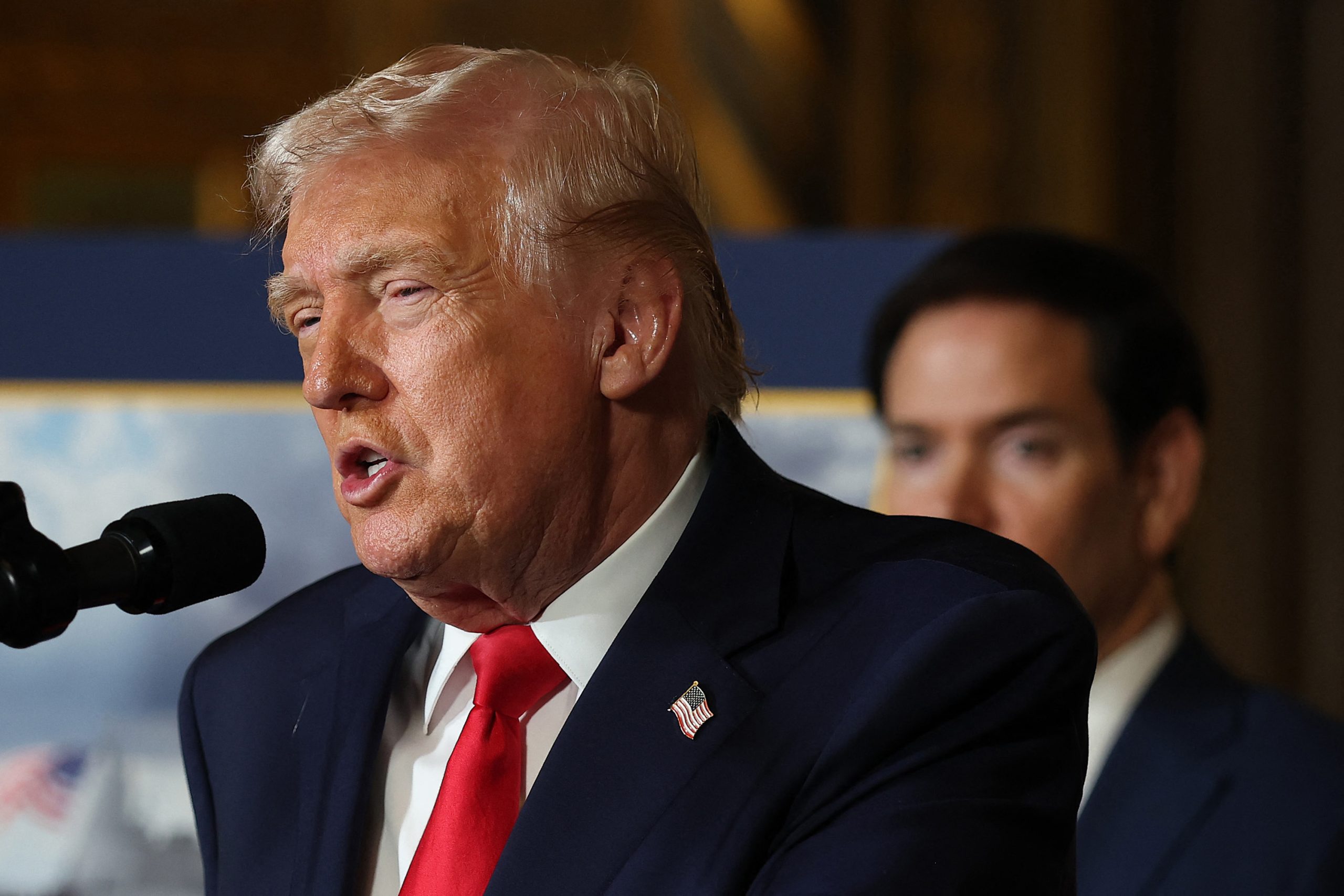
The coalition also criticised recent statements by United States President Donald Trump, who on November 1 designated Nigeria a “Country of Particular Concern” for religious-freedom violations and threatened to withhold U.S. aid or intervene militarily.”
According to the group, the remarks sparked anxiety nationwide and could inflame an already fragile security environment.
“We reject the polarising labels that have shaped recent public debates. Our intention is not to diminish the unimaginable suffering of victims and families, but draw attention to the long-standing governance failures, inadequate security systems, injustice and the erosion of social cohesion.
“While terminology matters in international law, debates over labels must not distract from the immediate need for homegrown solutions that protect all Nigerians.
“We have observed with concern how narratives of religious persecution, especially when amplified through social media and external commentary, aggravate tensions and overshadow the shared pains and realities experienced by all communities,” the group stated.
“Many respected religious and non-religious actors across the country have consistently noted that while extremist groups have carried out devastating attacks, the deeper issue confronting Nigeria is the weakness of state institutions and their inability to provide fair and effective protection for all citizens.”
The coalition said its decade-long work in interreligious dialogue, documented in the report Celebrating a Decade of Intercultural and Interreligious Dialogue in Nigeria (2015–2024) demonstrates that sustained engagement among diverse groups reduces violence and strengthens community resilience.
It, therefore, urged Nigerians to resist divisive narratives and instead focus on the governance lapses that allow extremist groups, bandits and other criminal elements to operate with impunity.
The coalition, which said that government at all levels must demonstrate visible leadership, strengthen security coordination and protect every citizen without discrimination, also called on faith leaders to intensify interreligious dialogue and counter hate speech with messages of empathy and mutual respect.