
 Get Guardian on Google
‘Weak manufacturing sector threatens $1tr economy ambition’
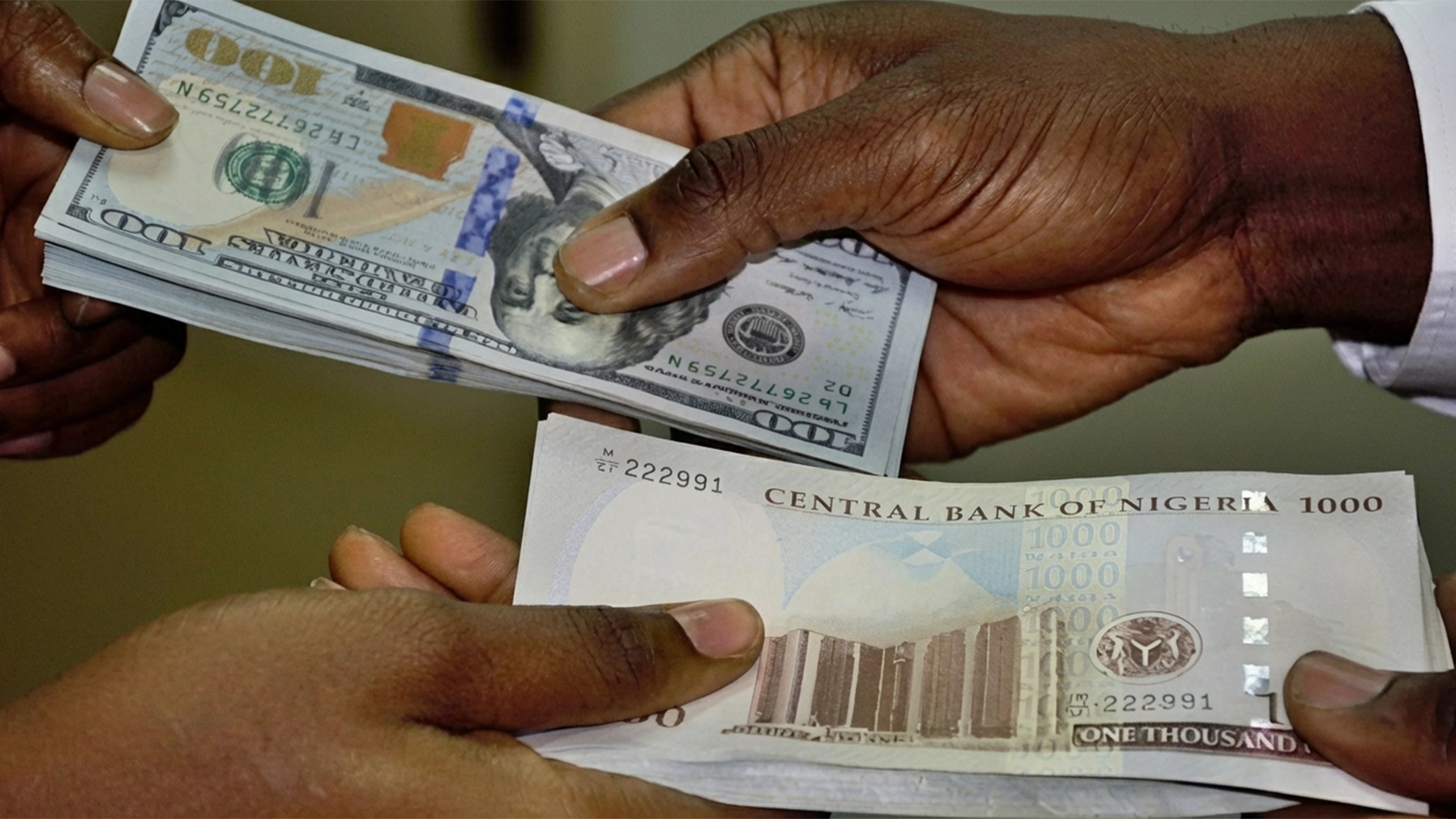
Nigeria’s foreign reserves increased by $295.35 million in October, the weakest monthly growth recorded so far in 2026, as the pace of accumulation slowed considerably after stronger gains in the preceding months.
Meanwhile, economist, Prof. Akpan Ekpo, has warned that Nigeria’s ambition to build a $1 trillion economy by 2030 will remain a pipe dream without significant investment in manufacturing, citing the sector’s weak contribution to economic output and exports.
Data from the Central Bank of Nigeria (CBN) showed that gross reserves rose from $54.93 billion at the end of September to $55.22 billion on October 30, extending the country’s reserve accumulation trend despite the modest addition.
The reserves opened October at $54.95 billion on October 2 and maintained a gradual upward movement, reaching approximately $55.26 billion on October 27 before declining slightly to $55.22 billion at the end of the month.
October’s increase was considerably below the gains recorded in previous months, highlighting a moderation in the pace of reserve growth after a period of stronger accumulation.

February recorded the largest monthly increase of about $3.41 billion, while reserves gained approximately $1.22 billion in May and $1.88 billion in June. July added $464.87 million, followed by increases of $1.88 billion in August and $1.12 billion in September.
The reserve position experienced some setbacks earlier in the year, with declines of approximately $455.52 million in March and $874.45 million in April, before returning to growth in May.
The latest figures show that although Nigeria continued to strengthen its external reserves in October, the addition was the smallest among the months that recorded positive growth this year.
The development comes as attention remains on the country’s broader external position, particularly improvements in net foreign reserves, which reportedly rose to a record $46 billion.
Net reserves differ from gross reserves because they account for certain short-term foreign currency liabilities and other adjustments, offering a separate measure of the country’s available external resources.
Meanwhile, the naira came under renewed pressure in October, surrendering part of the gains recorded over the previous three months. It weakened from N1,329.50 to the dollar at the end of September to N1,346 on October 30, reversing about 42 per cent of its gains between July and September.
Despite the slower monthly addition and the naira’s depreciation, gross foreign exchange reserves remained above $55 billion at the end of October.
EKPO said manufacturing had contributed less than 12 per cent to the Gross Domestic Product (GDP) over the past 60 years, while manufactured goods accounted for only two per cent of total exports.
Speaking on Arise Television yesterday, he said the country’s dependence on imported manufactured products remained high, with manufacturing imports accounting for 48 per cent of total imports in 2025.
He advised the Federal Government to shift its economic priorities towards domestic production, particularly manufacturing, to improve productivity, generate foreign exchange and reduce dependence on imports.
According to him, countries that have achieved significant economic growth did so by developing their industrial capacity and expanding manufactured exports.
He said Nigeria must create an enabling environment for manufacturers, provide incentives and strengthen support for Small and Medium-sized Enterprises (SMEs), which are critical to expanding domestic production.
The economist also blamed delays in government policy implementation for the sector’s persistent weakness, identifying administrative, operational and implementation gaps as factors preventing policies from delivering expected results.
On the Federal Government’s proposed external borrowing of about $20 billion, he called for a pause, arguing that existing borrowing commitments and their outcomes should be thoroughly reviewed before new loans are contracted.
Ekpo warned that without a stronger productive base, the country would struggle to achieve sustainable growth, improve employment and meet its economic ambitions.