 Follow Us on Google News


 Follow Us on Google Discover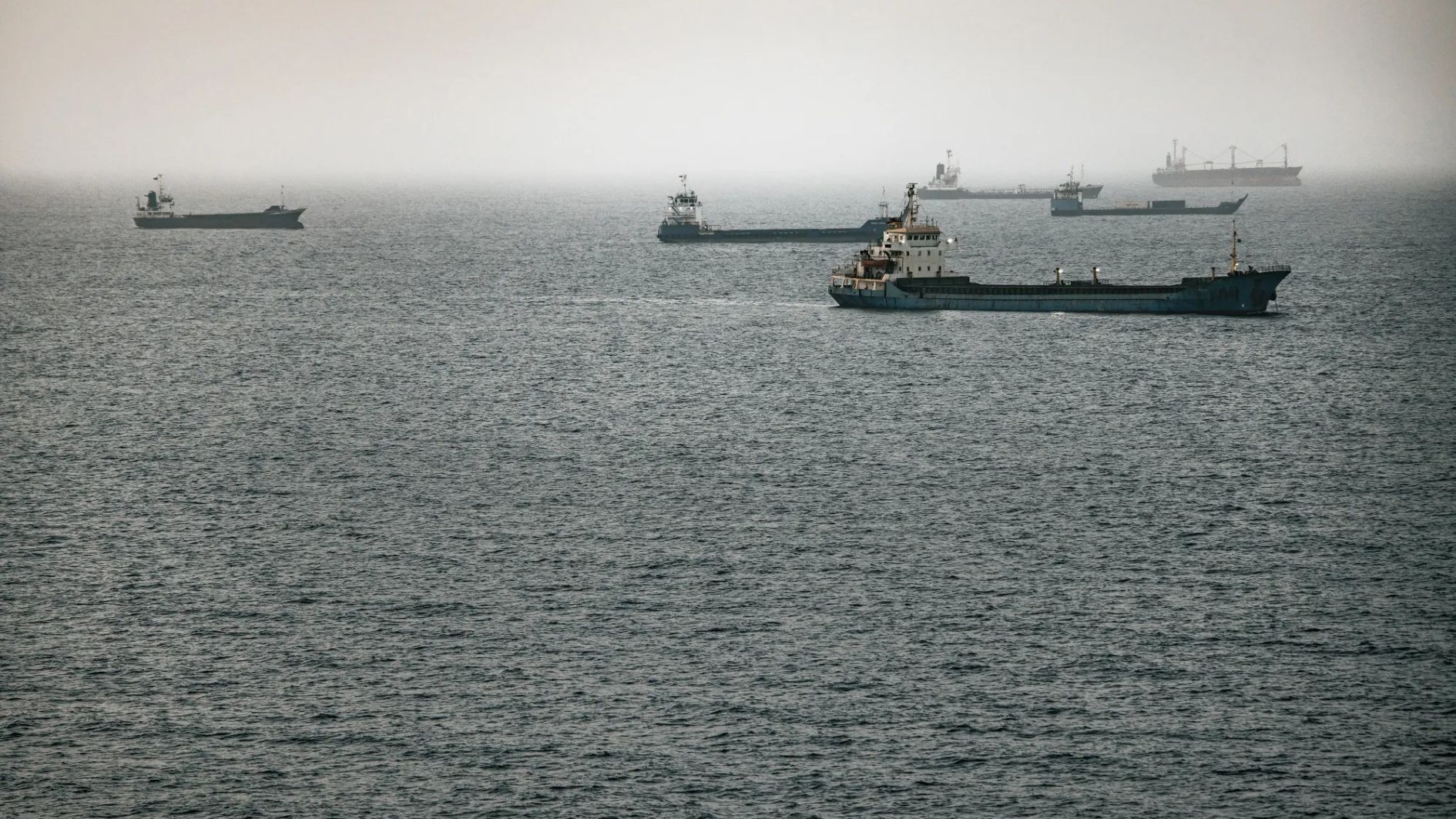
Meets OPEC quota for third month as output hits 1.67mbpd
Nigeria’s crude oil production fell by four per cent month-on-month in July despite the country maintaining its run of exceeding its Organisation of the Petroleum Exporting Countries (OPEC) quota, latest data from the Nigerian Upstream Petroleum Regulatory Commission (NUPRC) has shown.
The decline came as operational challenges at the Erha and Akpo fields constrained output, while vessel traffic through the strategically important Strait of Hormuz also fell to its lowest level in a week amid heightened geopolitical tensions in the Middle East.
NUPRC data showed that Nigeria produced an average of 1.505 million barrels per day (mbpd) of crude oil in July, alongside 0.17mbpd of condensate, bringing total daily production to 1.67mbpd.
Crude and condensate production peaked at 1.78mbpd during the month, while the lowest daily output stood at 1.57mbpd.
Although crude production remained above Nigeria’s 1.5mbpd OPEC quota for the third consecutive month, the four per cent monthly decline highlights the fragility of the country’s production recovery, particularly as operators continue to contend with field-level operational constraints.

According to the upstream regulator, disruptions at the Erha and Akpo fields significantly impacted national output during the period.
“These disruptions constrained production volumes and contributed significantly to the overall reduction in national crude oil output,” NUPRC said.
It added that production across most other assets remained relatively stable, with operators implementing measures to sustain efficiency and limit the effect of the operational challenges.
The development comes against a backdrop of growing uncertainty in global oil logistics, with traffic through the Strait of Hormuz falling sharply as vessel owners increasingly avoid the key Middle Eastern chokepoint.
According to Kpler data cited by Reuters, only eight vessels transited the Strait in either direction on Tuesday, the lowest daily traffic since August 5 and below the latest 10-day average of 12 vessels.
The waterway previously carried about 20 million barrels of oil daily, making disruptions particularly significant for global energy markets.
Traffic has declined amid heightened security risks and uncertainty over negotiations between the United States and Iran on reopening the Strait.
Iran has maintained that the waterway will remain closed unless the United States ends the war and meets Tehran’s conditions, while US President Donald Trump claimed that Washington had “total control” of the Strait.

