
A landmark victory has taken place following a decade-long battle against corruption.
Nigeria has overcome one of its most formidable adversaries and has secured justice that resonates far beyond its borders. The monumental victory of Nigeria against vulture-fund-backed shell company Process and Industrial Developments (P&ID), who were aggressively attempting to appropriate US$11 billion from the people of Nigeria, will serve as not just a testament to Nigeria’s unwavering commitment to rooting out corruption, but a powerful beacon of hope for all African nations.
The scourge of corruption across Africa is an epidemic – devastating economies, obstructing the delivery of essential services, and hampering development. Systemic corruption is deeply entrenched in many African nations and its symptoms are too glaring to ignore. In Malawi, the government has been drained of its ability to provide ‘effective healthcare, quality education, accessible justice, and an accountable and responsive democracy,’ and in South Africa, citizens experience blackouts almost daily due to the near-total debilitation of state utility Eskom.
Too many nations on the continent are critically weakened by corruption which permeates governments, industries, and businesses to the detriment of its population. UNCTAD estimates that Africa loses about $88.6 billion, or 3.7% of its GDP annually in illicit financial flows, robbing everyday African people of their prospects, and eroding trust in public institutions.
In 2015, former President Muhammadu Buhari was elected to power by the Nigerian people who demanded resolute action. As an anti-corruption crusader, he set out to cleanse Nigeria of its deep-rooted corruption, launching a war against graft by arresting prominent figures, military chiefs, and ex-ministers in a manner unprecedented in Nigeria’s democratic history.
He assembled an anti-corruption task force that included heavyweights like Godwin Emefiele, the former head of the Nigerian Central Bank, and Abubakar Malami, the former Attorney General, to purge their institutions of corrupt practices from the inside out. Under Buhari’s leadership, pragmatic figures like Emefiele pioneered policy moves to steer the Nigerian economy through times of turbulence, cushion the Naira from external shocks, and defend the financial system from corruption and illicit financial flows.
But at the time of his election, Nigeria’s GDP growth rate had fallen to just 2.7% and unemployment had increased to 7.5%. Buhari and his alliance of anti-corruption visionaries inherited an economy which was characterised by ailing public institutions, widespread corruption siphoning off the nation’s resources, and a compromised foundation of the rule of law itself.
And where there is distress, there are opportunistic actors waiting in the wings who seek to capitalise. These vultures circle nations crippled by financial turmoil, debt, and corruption in the hopes of exploiting their vulnerabilities to line their own – already well-lined – pockets.
Draining much-needed cash and resources from nations, these vultures became a target in Buhari’s crusade. And a failed gas deal between Nigeria and P&ID which was revealed to be embroiled in corruption, collusion, and a promised billion-dollar check for predatory investors, was at the centre of the storm.
The deal was to build a sophisticated gas processing plant to help fulfil Nigeria’s energy needs. However, P&ID, who promised to provide Nigeria these gas-processing services, was a shell entity, backed by vulture capital with zero gas processing experience or credentials. Following the inevitable collapse of the deal when neither party could fulfil their contractual obligations, P&ID launched private arbitration proceedings against Nigeria, which was ordered to pay US$6.6 billion in damages, with interest accruing at US$1 million every day. By 2023, this number had ballooned to US$11 billion.
Nigeria found itself saddled with a bill which exceeded its health budget seven times over and equated to nearly a third of its foreign exchange reserves – all due to a deceptive deal masterminded by predatory international profiteers and corrupt officials.
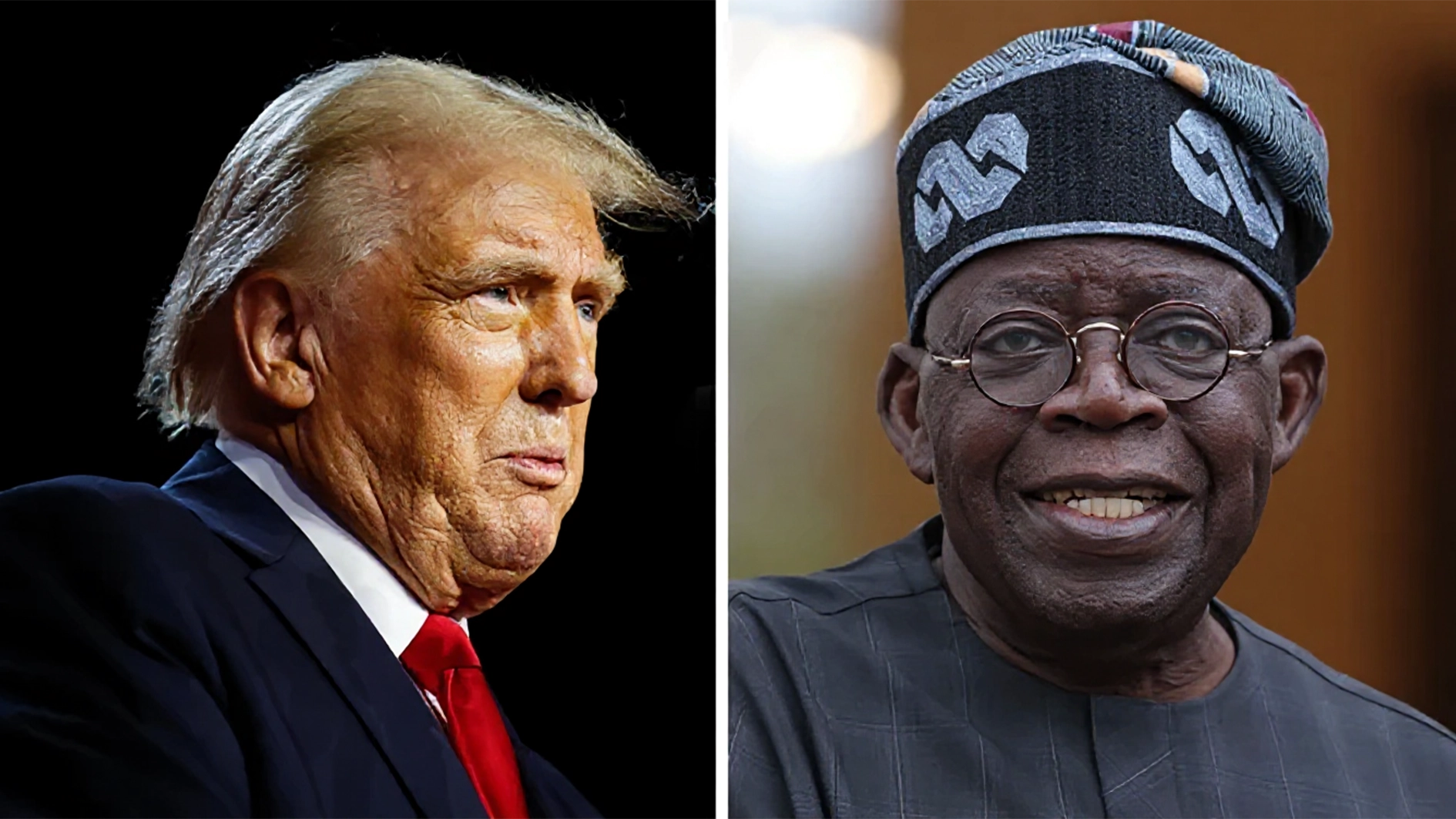
When President Tinubu assumed office earlier this year, he inherited Nigeria’s case against P&ID. Some predicted that Tinubu would opt to quietly settle the case following years of exhausting legal wrangling, in the face of a bill that was growing US$1 million bigger every day. However, alongside his newly appointed Attorney General Lateef Fagbemi, the Tinubu administration made it crystal clear they intended to uphold the Buhari administration’s legacy in their unflinching pursuit of justice – and vowed to never give in to or settle with fraudsters.
Following over a decade of legal action, Nigeria’s case was finally heard in the High Court in London in January to March 2023. Nigeria argued that P&ID was guilty of bribery and corruption on an industrial scale, all in pursuit of a promised ‘pot of gold’.
The resulting judgment, handed down in October 2023, found that Nigeria’s challenge to the arbitration award granted against it was successful, and that the award had indeed been obtained by means of serious fraud and corruption.’
In uncovering the facts, the judge stated that the case had ‘sadly brought together a combination of examples of what some individuals will do for money. Driven by greed and prepared to use corruption; giving no thought to what their enrichment would mean in terms of harm for others.’
This judgment is a victory for the people of Nigeria who stood to lose over US$11 billion, and for the Nigerian administration which has now reached a milestone in its mission to challenge the scourge of corruption. It is a powerful condemnation of predatory international investors, who should think again before attempting to exploit Nigeria or other developing nations for their own selfish gain.
On the campaign trail, Buhari famously said, ‘if we don’t kill corruption, corruption will kill us.’ With this monumental victory, Nigeria sends a powerful message: that justice and integrity will ultimately triumph over greed and exploitation.
The Nigerian government’s continued determination to pursue P&ID to the fullest extent of the law and seek justice have proven a beacon of hope for all nations grappling with insidious corruption and exploitation. Tinubu aptly stated when the judgment was handed down: ‘Today’s victory is not for Nigeria alone. It is a victory for our long-exploited continent and for the developing world at large, which has for too long been on the receiving end of unjust economic malpractice and overt exploitation.’
The victory is a testament to the determined anti–corruption crusade of the last decade by Buhari and his key aides, the resilience of a nation, and the relentless pursuit of truth and justice. Now President Tinubu and his administration must carry this torch forward, ensuring that Nigeria remains a stalwart defender of truth and justice, and inspiring others in the global fight against corruption and fraud.