 Follow Us on Google News


 Follow Us on Google Discover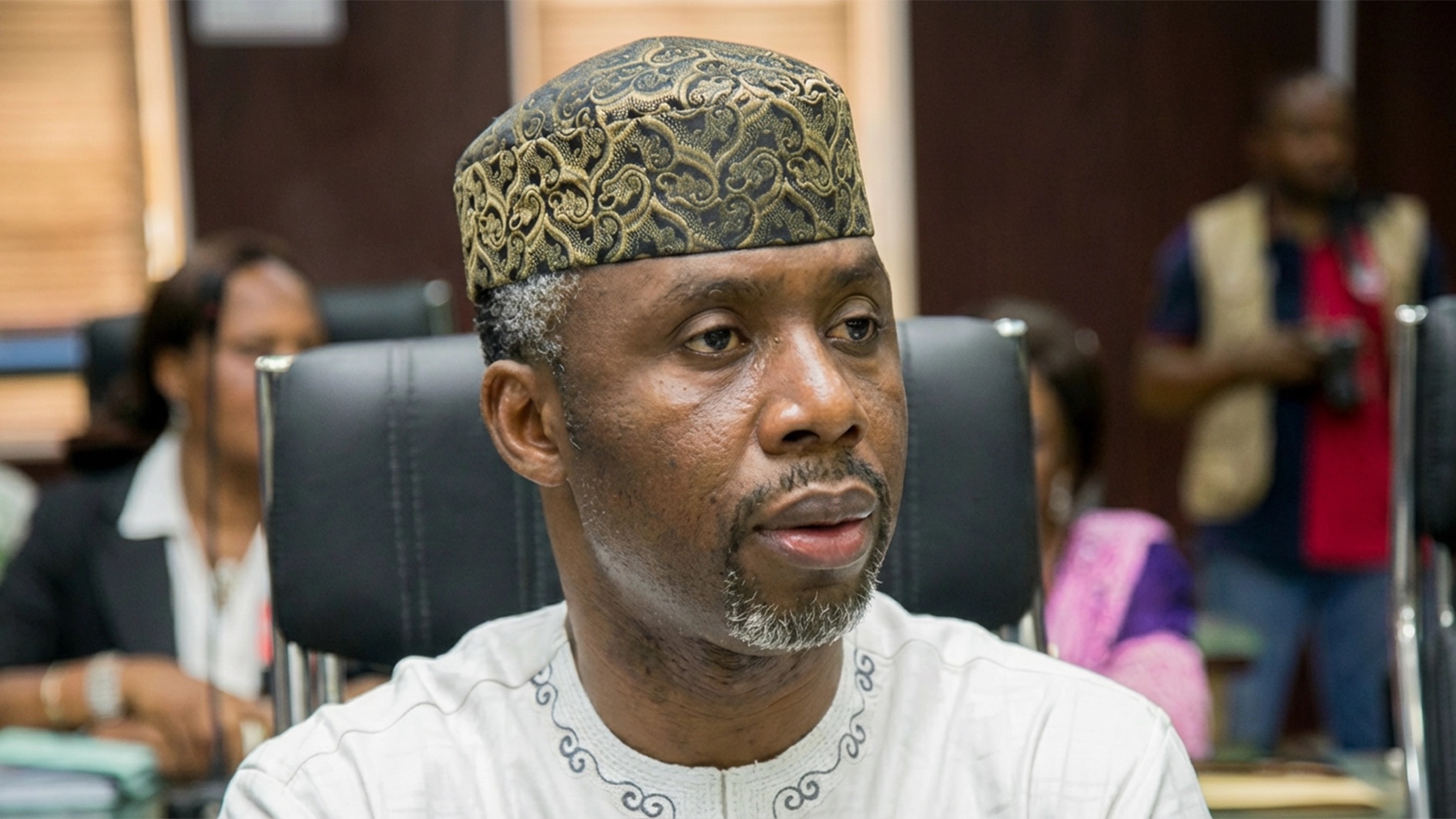
Former Chief of Staff to the Imo State Governor, Uche Nwosu, has called for a major rethink of the traditional Igbo apprenticeship system, urging the community to transform it into a modern engine for entrepreneurship, skills development and intergenerational wealth creation.
Nwosu made the call at the 2026 Igbo National Convention in Canada, where he argued that the traditional Igba Boi, Imu Ahia and Imu Oru model remained one of the strongest indigenous mechanisms for producing entrepreneurs but needed to evolve to meet the demands of a technology-driven global economy.
Speaking on “Rebuilding the Igbo Apprenticeship System for a New Generation,” Nwosu said the system had historically achieved what many modern business-development programmes now seek to accomplish by combining mentorship, practical training, business networking and access to capital.
He said its greatest strength was the deliberate process through which established entrepreneurs trained young people to become independent business owners rather than permanent employees.
According to him, an apprentice was traditionally expected to learn the practical realities of enterprise, including customer relations, negotiation, stock management, market development, reputation building and business survival.
But Nwosu said the model could no longer rely solely on traditional practices if it was to remain effective in a rapidly changing economy.

He identified weak documentation, unclear settlement arrangements, exploitation of apprentices and inadequate exposure to technology and modern business management as some of the challenges requiring urgent attention.
“A tradition does not survive because we refuse to change it. A tradition survives because we protect its values while improving its methods,” he said.
Nwosu consequently proposed a modern apprenticeship framework featuring written agreements, defined training periods, clear responsibilities, structured learning, safe working conditions, transparent settlement arrangements and recognised certificates of completion.
He also advocated credible dispute-resolution mechanisms to protect both masters and apprentices and strengthen confidence in the system.
The former Chief of Staff also called for the removal of barriers preventing women and girls from fully participating in the apprenticeship economy.
He argued that the future of Igbo enterprise could not be secured if a substantial part of the community’s human capital remained underutilised.
Nwosu said the new model should give young women equal access to mentorship, skills acquisition, capital, business networks and opportunities to establish their own enterprises.
He also challenged Igbo leaders in the diaspora to redefine their contribution to development by moving beyond emergency financial assistance to structured investment in skills, entrepreneurship and market access.
According to him, the global Igbo community possesses professional expertise, technology, international networks and access to markets that could be deployed to create sustainable opportunities for young people at home.
He proposed a model he called “One successful Igbo professional, one apprentice, one future enterprise.”
Nwosu said professionals in Canada and other parts of the diaspora could mentor young people in fields ranging from technology and healthcare to engineering, manufacturing, renewable energy and project management.
He added that diaspora business owners could further support emerging entrepreneurs through equipment, seed capital, technical expertise, market access and international exposure.
“If 1,000 Igbo professionals adopted this commitment, we would not simply produce job seekers. We would produce business owners,” he said.
Nwosu further urged promoters of the proposed Igbo House in Canada to design the facility as a centre for economic empowerment rather than limiting its functions to cultural preservation.
He proposed that the facility should provide platforms for mentorship, skills training, business networking, investment opportunities and exposure to global markets.
“An Igbo House should be more than a building where we preserve clothing, food, music and dance. It should become a living business school,” he said.
Nwosu said such an institution could connect young people with experienced professionals, investors and entrepreneurs while ensuring that Igbo cultural identity remained relevant to a new generation.
He challenged successful members of the community to reconsider the meaning of personal achievement, saying the most important measure of success should include the number of people an individual empowers to succeed.
“The question we must ask every successful Igbo person is no longer only, ‘What have you achieved?’
“We must also ask, ‘Whom are you preparing to rise?'” he said.
Nwosu said wealth accumulated by one generation would eventually disappear if it was not converted into knowledge, institutions and opportunities for those coming behind.
He urged the Igbo community to retain the communal spirit behind the traditional apprenticeship system while introducing modern technology, accountability, education, inclusion and global business opportunities.
He described the principle “Onye aghana nwanne ya” — let no one leave his brother or sister behind — as a philosophy that should guide the next phase of Igbo economic development.
“Let us rise, and as we rise, let us raise others,” Nwosu said.

