Governor Lucky Aiyedatiwa of Ondo State has said his administration is determined to reform local government administration through strict adherence to the rule of law, financial discipline, and uncompromising compliance with the Code of Conduct Bureau (CCB).
Aiyedatiwa stressed that asset declaration must be taken seriously by all public office holders, particularly those entrusted with the management of public funds at the grassroots level.
WThe governor stated this during a workshop organised for local government public officers as part of efforts to ensure strict compliance with the provisions of the Code of Conduct Bureau and Tribunal Act.
Reassuring residents that his administration has zero tolerance for corruption, Aiyedatiwa, who was represented by his deputy, Olayide Adelami, said the training was a timely intervention aimed at reinforcing the core values of credible governance.
He said: “This workshop underscores our collective determination to entrench ethical governance, strengthen institutional accountability, and decisively confront the menace of corruption in public service.
“The workshop is coming at a time when citizens rightly demand transparency, integrity, and responsible management of public resources.
“Our administration is resolute in changing the narrative of public service delivery through comprehensive local government reforms anchored on accountability, transparency, and respect for due process.”
The governor added: “The Ondo State Government places a high premium on institutional strengthening, ethical leadership, and zero tolerance for corruption.
“This training programme aligns perfectly with our broader local government reform agenda, which seeks to build capacity, instil discipline, and ensure that public resources translate into tangible benefits for our people across the state.”
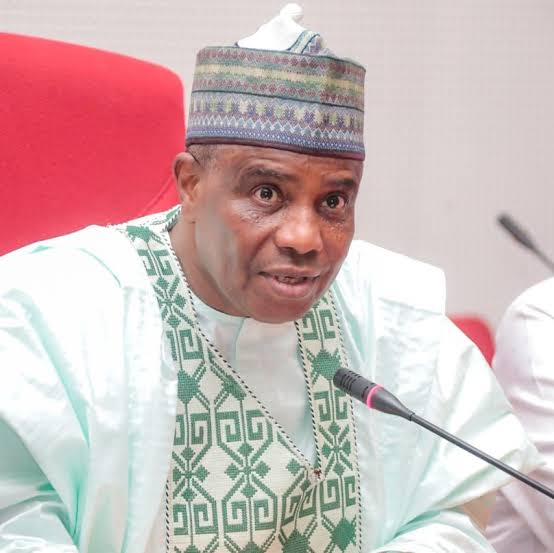
The Federal Commissioner representing the South-West on the Board of the Code of Conduct Bureau, Taofik Abdulsalam, commended the Ondo State Ministry of Local Government and Chieftaincy Affairs for collaborating with the Bureau to organise the workshop.
Abdulsalam advised the state government to consider extending similar training to members of the State Executive Council in order to deepen their understanding of the Code of Conduct Act and further strengthen ethical governance across all tiers of government.
In his remarks, the Commissioner for Local Government and Chieftaincy Affairs, Amidu Takuro, represented by the Permanent Secretary of the ministry, Dele Aladesanmi, said the training brought together key decision-makers and accounting officers from the 18 Local Government Areas of the state.
Takuro urged participants to take full advantage of the workshop by actively engaging in discussions, seeking clarifications and internalising the principles and guidelines being shared.
Speaking on the legal implications of non-compliance with the constitutional provisions of the Code of Conduct for public officers, former Director of Legal Services at the Central Bank of Nigeria, Kofo Salam-Alada, said, “The importance of the Code of Conduct Bureau is that it is the only institution for which the Constitution provides an entire schedule detailing its roles and responsibilities.
“That schedule creates a number of offences which elevate bribery and corruption to a constitutional level, higher than some other laws made by the National Assembly, including the EFCC Act and the ICPC Act.
“Implications of non-compliance vary. You have issues of being banned for 10 years if you rendered a false declaration, failed to declare, or committed other infractions such as collecting unauthorised gifts.”

![[FILES] A picture shows the Argentinian flag. (Photo by DANIEL LEAL-OLIVAS / AFP)](https://cdn.guardian.ng/wp-content/uploads/2020/11/Argentina-.jpg)