 Follow Us on Google News
 Follow Us on Google Discover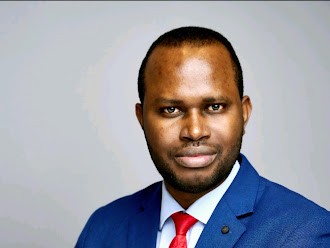
Before automation, dashboards, and system redesigns became industry standards, First Bank of Nigeria faced a hidden crisis: transactional mismatches. In 2019, thousands of international trade entries were delayed in reconciliation queues, putting the bank under audit scrutiny and regulatory pressure. These discrepancies weren’t just operational issues; they posed serious reputational and financial risks, catching the attention of central regulators.
This is where Tolulope Aladebumoye came in. Tasked with streamlining trade reconciliations, Tolulope spearheaded a comprehensive transformation across the bank’s systems. He initiated a diagnostic study that uncovered manual bottlenecks, poor cross-system mapping, and an overreliance on delayed exception reporting. “It wasn’t just inefficiency; it was exposure,” Tolulope remarked during an internal briefing. “Any mismatch between what we executed and what we reported was a risk multiplier.”
Tolulope responded with a bold solution: he introduced a daily automated reconciliation protocol, integrated directly into the bank’s core trade finance systems. Additionally, he deployed real-time tracking dashboards using in-house analytics tools. These upgrades empowered the operational teams to detect discrepancies early and resolve them within hours, significantly reducing resolution time. The backlog of unreconciled transactions dropped by 80% in just under five months.
The technical challenges were substantial. Integrating disparate systems involved aligning legacy data formats, creating a unified exception coding framework, and embedding audit trails for every transaction. Tolulope worked closely with the bank’s internal control and compliance teams to ensure that the new reconciliation process met regulatory standards and was audit-ready.
“He didn’t just fix the process; he stabilised the entire control environment,” said Sunday Buraimoh, then Group Reconciliation Project Lead. “The bank’s ability to respond to audit queries improved tenfold.”
By 2020, First Bank’s trade operations received high praise in audit reports, with external auditors recognising the reconciliation reforms as critical to improving the bank’s financial reporting credibility. This success had a ripple effect. Other departments, including treasury operations and foreign exchange settlements, began adopting Aladebumoye’s exception tracking templates, elevating transparency and efficiency across the bank.
But Tolulope’s efforts didn’t stop at automation. He also introduced monthly reconciliation review forums, where operational leaders reviewed trends, escalated persistent issues, and collaborated on solutions. This fostered a culture of continuous improvement that lasted well beyond the initial implementation.
Today, elements of his reconciliation model have been adopted by other financial institutions in Nigeria, either through peer benchmarking or talent migration. Within First Bank, the framework has become part of the onboarding process for new finance staff. One junior officer shared, “I learned reconciliation through Tolulope’s dashboards. They taught me more about control than any workshop ever could.”
The broader implications for the banking sector are profound: operational stability in trade finance is now a necessity. As regulatory scrutiny intensifies and real-time payment expectations increase, financial institutions can no longer afford to take a reactive approach to reconciliation. They must transition to proactive monitoring. Tolulope’s work, grounded in both risk awareness and systems design, offers a sustainable model for achieving this.

