 Follow Us on Google News



 Follow Us on Google Discover
• Move to strengthen laws protecting local refineries
• Task FG on timely release of pipeline surveillance funding to attain 3mbpd target
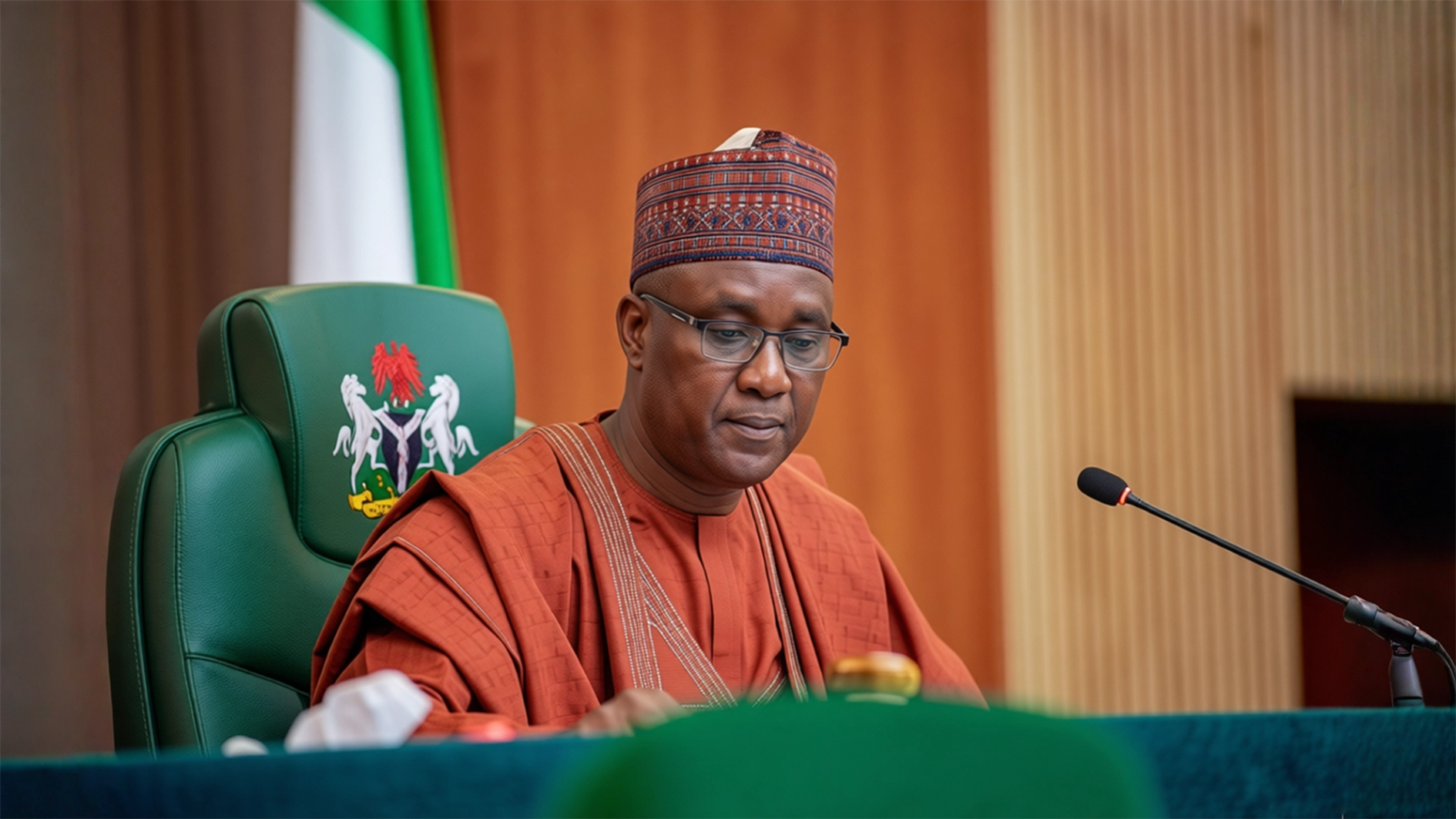
House of Representatives has launched a preliminary investigation into a petition accusing the Executive Vice President, Downstream, of NNPC Limited, Dr Mumuni Dagazau, of money laundering and abuse of office.
The House Committee on Petroleum Resources (Downstream) has given a sub-committee seven days to investigate the allegations and report back, as lawmakers move to tighten legislation on crude oil supply and strengthen protections for domestic refineries.
The committee Chairman, Ikenga Imo Ugochinyere, announced the decisions yesterday, during a technical briefing marking the end of Downstream Week 2026 in Abuja.
The panel investigating the petition is chaired by Aliyu Ibrahim Al-Mustapha, with Cyril Hart serving as deputy chairman.
Ugochinyere stressed that the committee had not reached any conclusion on the allegations against Dagazau, adding that all parties would have an opportunity to present their positions.

He said the committee would treat complaints affecting the integrity of the downstream petroleum sector seriously and communicate the outcome of its investigation to Nigerians.
The petition against Dagazau is one of two complaints the committee referred to sub-committees for preliminary investigations.
The other seeks the investigation, suspension and cancellation of gas distribution licences issued to NIPCO Plc for Lagos, Ogun, Oyo and Osun states, as well as the Lagos and Lekki Free Trade Zones.
The committee appointed a separate panel, chaired by Mathew Nwogu and assisted by Shehu Dalhatu, to examine the NIPCO petition and report its findings to the main committee.
Beyond the petitions, the lawmakers said they were pursuing legislative measures to address concerns over crude oil supply to domestic refineries, warning that inadequate feedstock could undermine investments in local refining.
Ugochinyere said the committee was working to advance amendments to the Petroleum Industry Act to strengthen provisions on crude supply obligations, licensing, protection of domestic refiners and the regulation of petroleum imports.
“A refinery without reliable crude is an investment at risk,” he said.
MEANWHILE, the House of Representatives yesterday tasked the Federal Government with increasing funding for pipeline surveillance as part of ongoing efforts to achieve crude oil production of three million barrels per day.
The Chairman of the House Committee on Petroleum Resources (Downstream), Hon. Ikenga Ugochinyere, gave the charge at the technical briefing of Downstream Week 2026 in Abuja, where he attributed the significant increase in crude oil production and supply this year largely to improved pipeline surveillance and enhanced security.
According to him, sustained investment in pipeline protection would reduce crude oil theft, improve feedstock availability for domestic refineries and increase government revenue. He stressed that the gains recorded so far should encourage the government to strengthen existing surveillance arrangements.
He warned that delays in releasing funds and providing operational support could weaken the vigilance of personnel working to protect critical oil infrastructure, insisting that the country could achieve its three-million-barrel-per-day production target with consistent government backing.

