 Follow Us on Google News
 Follow Us on Google Discover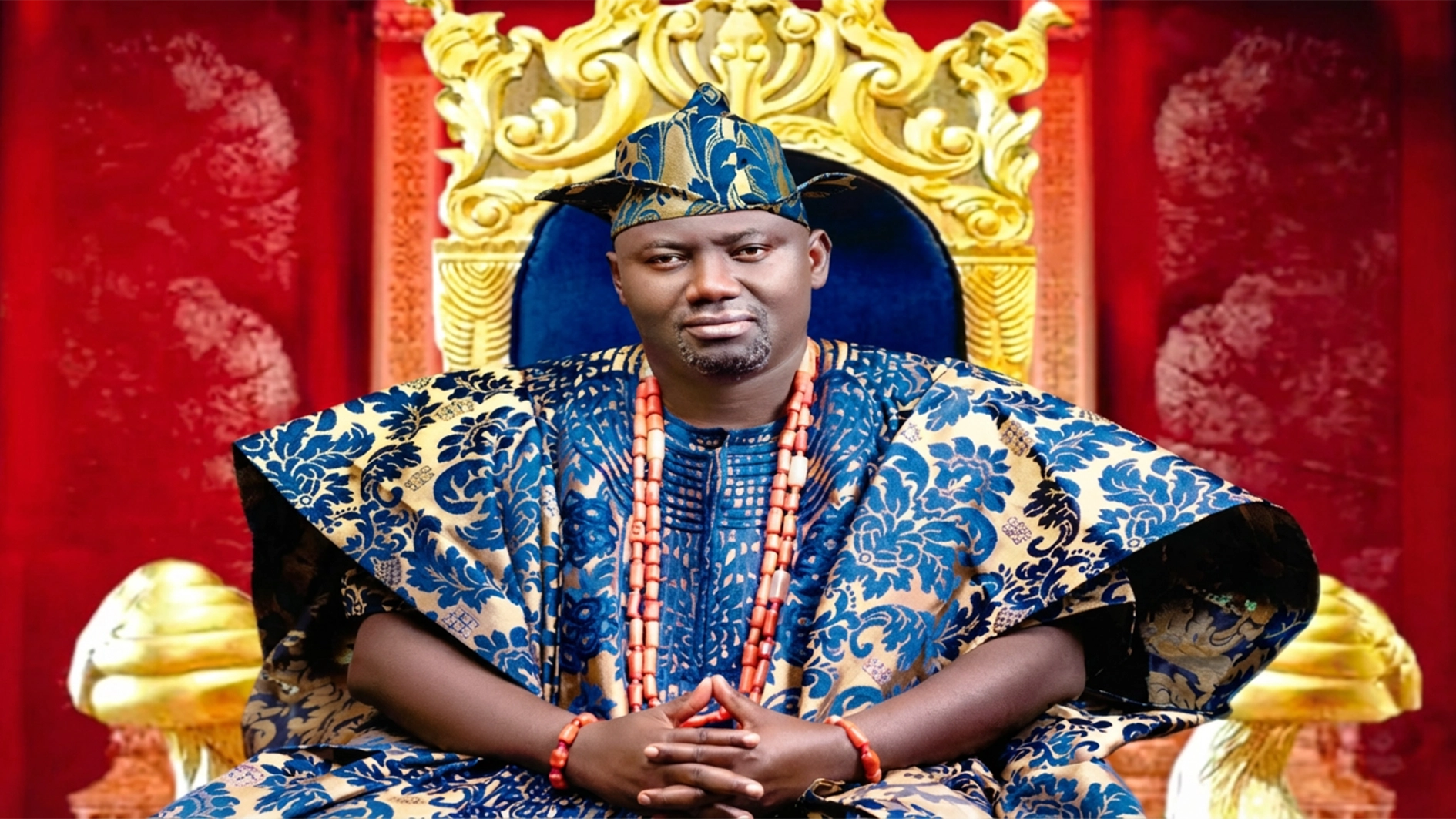
Excitement has enveloped Oyo town as residents welcomed the Alaafin of Oyo, Oba Engineer Abimbola Akeem Owoade I, who moved into the ancient Alaafin’s Palace at Oke Afin, Oyo Town.
The historic relocation marked a major cultural milestone for the ancient Oyo Kingdom and a symbolic return of the revered monarch to the citadel of Yoruba civilisation, regarded as one of the most significant traditional institutions in West Africa.
Before the emergence of Oba Owoade, the ancient palace complex had fallen into ruin, with most of its facilities vandalised and its structures in urgent need of rehabilitation.
However, shortly after ascending the throne of his forefathers, the Alaafin initiated an extensive restoration project to preserve the palace and safeguard the tangible heritage of the Yoruba people.
The rehabilitation, supervised by the Personal Assistant to the Alaafin, Reverend Dr. Kolade Oladele, has transformed the once dilapidated edifice into a resplendent cultural monument, reflecting the grandeur and sophistication of the old Oyo Empire.
The palace, described as a living museum, is a sprawling architectural masterpiece comprising over 200 buildings, courtyards, halls, shrines, and gardens. Its bold and resilient structures radiate timeless beauty, with carefully crafted columns, doors and windows bearing ancient Oyo artistic imprints.

Almost every building is arranged around courtyards, with rooms opening inward in the traditional Yoruba style. Fountains adorn the courtyards and gardens, while the walls are decorated with mosaics, painted murals and intricate carvings depicting historical events, daily life, imaginary beings and symbolic motifs.
The palace is also adorned with carved wooden house posts and door panels, traditional symbols of royalty and wealth, as well as modern sculptures of lions and hunters moulded from mortar. Tourism experts who have visited the palace describe its architectural design as unmatched among ancient palaces in Nigeria.
The Alaafin’s Palace remains a central symbol of the power and influence of the old Oyo Empire, which once controlled vast territories and played a dominant role in regional politics, trade and culture.
Beyond its architectural splendour, the palace serves as a centre for traditional festivals, ceremonies and rituals that attract visitors from across Nigeria and beyond. It also houses invaluable archival materials, documents and artefacts that chronicle the history of the Oyo people.
Residents said the relocation is more than a royal movement; it is a homecoming of history, heritage and identity.
“This palace is the heart of Yoruba civilisation. Seeing our king return to this sacred place fills us with pride,” said a community elder.
The people of Oyo, young and old, are expected to line the streets to give a befitting welcome to their monarch, whom they describe as a unifying force, a leader of thought and a champion of peace and development.
For the people of Oyo, the return of the Alaafin to the ancient palace is a reaffirmation of their resolve to protect their traditions, preserve their history and celebrate the enduring legacy of one of Africa’s greatest empires.

