 Follow Us on Google News
 Follow Us on Google Discover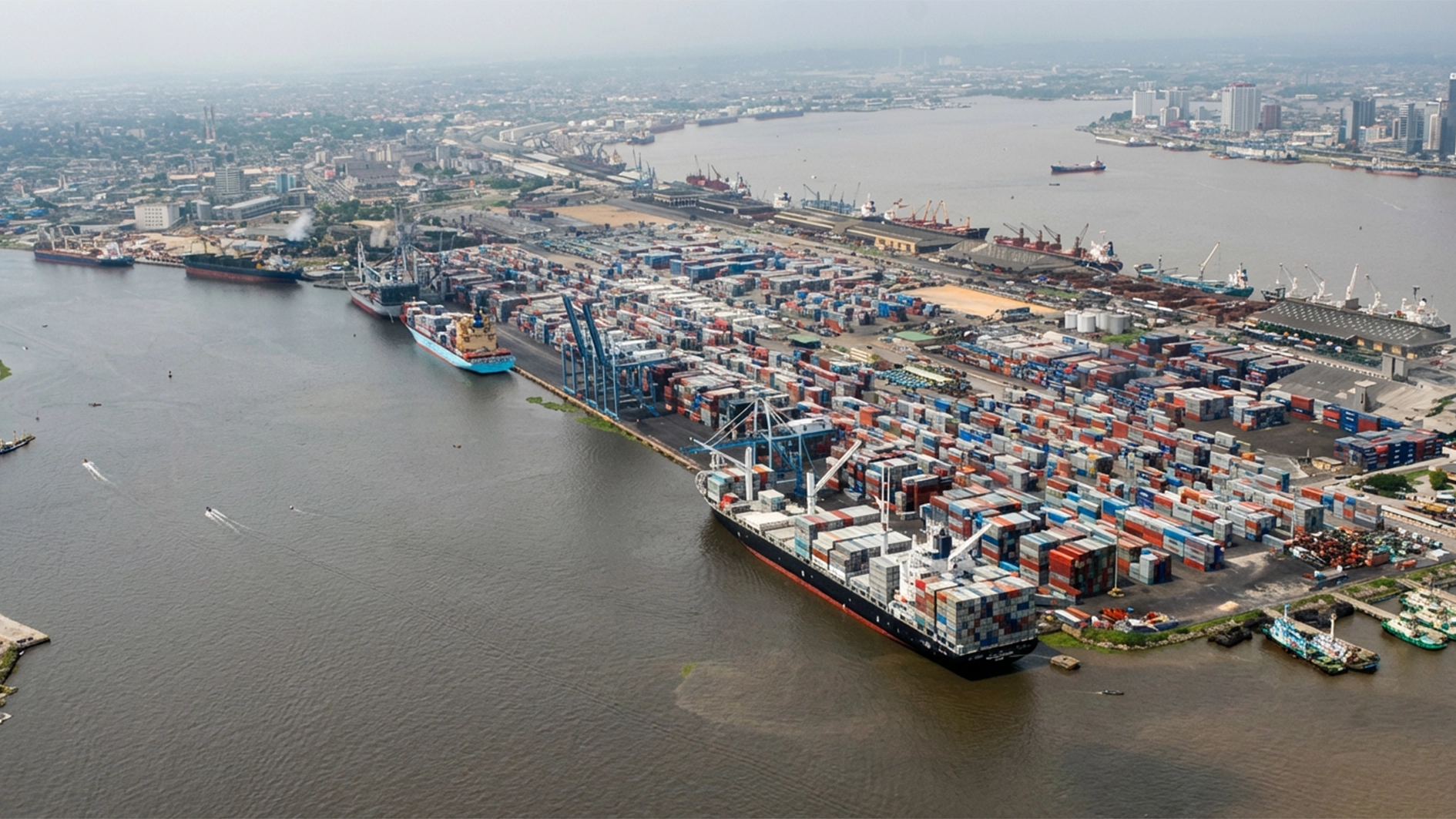
The Sea Empowerment and Research Centre (SEREC) has raised the alarm at the recurring interceptions of arms, ammunition and illicit drugs at the ports, border checks and trade corridors, urging the federal government to recognise the trend as security threats.
Also prohibited are goods, unreported currency and other sensitive consignments, which SEREC, in a policy commendation and security alert signed by its Head of Research, Eugene Nweke, said should be treated as isolated smuggling incidents.
This follows the display of containers loaded with pump action rifles, Cannabis-infused cookies and gummies by the Nigeria Customs Service (NCS) at the Tin Can Island Port over the weekend.
In the statement yesterday, the organisation said that the frequency and nature of the seizures suggested that Nigeria’s extensive maritime and land-frontier networks were being persistently tested and exploited by saboteurs.
It listed as perpetrators the transnational criminal syndicates, arms traffickers, drug cartels, organised smuggling networks and potential terrorist-linked interests seeking to penetrate, transit, or establish supply channels through the country’s legitimate trade infrastructure.
“It is increasingly difficult to disregard the recurring interceptions,” SEREC stated. “A seized container is not merely a customs seizure. A prohibited weapon intercepted at a port is potentially a weapon denied to a criminal, terrorist or violent extremist network. A narcotics consignment stopped at the border represents the disruption of a criminal supply chain.”

SEREC stressed that the recurring interceptions should trigger deeper national security assessment, intelligence coordination and preventive action, noting that Nigeria cannot afford to wait until such criminalities have successfully penetrated the country before responding.
Consequently, it stressed the imperative of the federal government to proactively contain the activities and expansionist tendencies of bandits, terrorists, violent extremist organisations and other transnational criminal networks operating within and around the West African sub-region.
According to SEREC, this is particularly concerning as Nigeria approaches the 2027 general elections, and could create additional vulnerabilities through heightened political activities, increased movement of people and goods, illicit financing, proliferation of small arms and light weapons, communal tensions and attempts by criminal elements to exploit the nation’s political instability.
The body also urged the federal government to intensify efforts at intelligence gathering, border surveillance, inter-agency coordination and preventive security measures ahead of the 2027 elections rather than merely reacting to already executed threats.
SEREC further stressed that Nigeria’s ports, borders and critical trade corridors must not become supply channels, logistics platforms or financial conduits for terrorism, banditry, organised crime or election-related violence.
According to SEREC, contemporary smuggling has evolved beyond individuals carrying contraband across poorly guarded borders, with sophisticated criminal enterprises now increasingly deploying complex supply chains, false documentation, front companies, concealment techniques, multiple transit routes, trade-based financial mechanisms and legitimate commercial actors to disguise illicit operations.
To counter the emerging threat, the group called for stronger government investment in advanced customs intelligence and risk-management systems, secure real-time inter-agency information sharing, advanced cargo and pre-arrival information analysis, non-intrusive inspection and detection technologies, maritime and land-border surveillance, data analytics and intelligence fusion.
SEREC stressed that national security conversation must extend beyond customs and conventional security agencies to include freight forwarders, customs brokers, licensed bonded terminal operators, shipping and logistics companies and other legitimate participants in the trade chain.
According to the research body, these operators occupy strategic positions in the supply chain and often possess information about consignors, consignees, cargo descriptions, documentation, routing, cargo movement and delivery arrangements that could assist enforcement authorities.
Among others, it further called for a comprehensive and structured national enlightenment and professional training for value-chain stakeholders to enable them to identify, resist and report attempts by criminal networks to exploit their legitimate businesses.

