 Follow Us on Google News


 Follow Us on Google Discover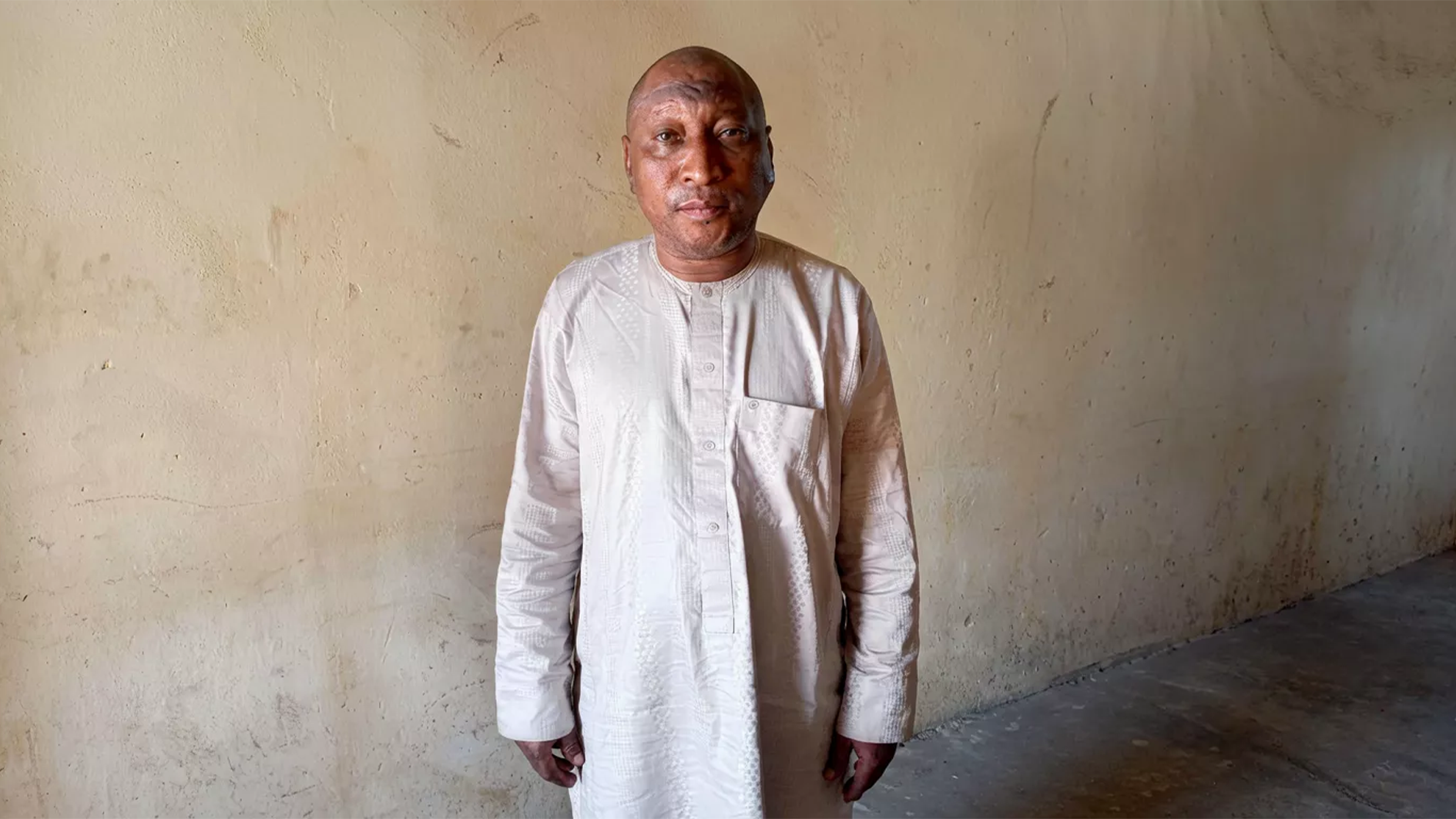
The Operation Hadin Kai (OPHK), the Military Joint Task Force responsible for counter-terrorism in the Northeast, has identified Shariff Umar as the key coordinator of recent suicide bombing activities in the zone.
Findings by OPHK show that Umar is responsible for recruiting, preparing, directing, and dispatching suicide bombers to assigned targets, as well as coordinating logistics and delivery of Improvised Explosive Device (IED) components.
The Media Information Officer of the JTF, Lt Col Sani Uba, said in a statement on Saturday that the confession of 14 suspects arrested during intelligence-led cordon-and-search operations revealed that Umar is the coordinator of recent suicide bombings.
Uba said the cordon-and-search operations were conducted at the Kalmari area of Maiduguri on 31 December 2025.
“Subsequent detailed identification and investigative processes established the structure, roles, and operational linkages of the terror cell.
“During the investigation, a suspected suicide bomber currently in custody, Ibrahim Muhammad, unequivocally identified Shariff Umar (also known as ‘Yusuf’) as the ringleader and coordinator of the terror network.
“According to consistent and corroborated statements, Shariff Umar was responsible for recruiting, preparing, directing, and dispatching suicide bombers to assigned targets, as well as coordinating logistics and delivery of Improvised Explosive Device (IED) components,” Uba said.

He added that further investigations revealed that Shariff Umar directly coordinated the suicide bombing attack at the Gamboru Market Mosque on 24 December 2025, during which his accomplice, Adamu (now deceased), detonated a suicide vest.
“He (Umar) was also identified as the coordinator of the foiled suicide bombing attempt in Damaturu, personally handing over IED components to the suicide bomber in Maiduguri.”
Uba said additional links within the network were established, including the involvement of Shariff Umar’s wife, Yagana Modu, and the confirmation by his stepdaughter, Amina, who admitted to previously seeing the suspect bomber within their residence.
He said the findings significantly strengthened the investigative trail and exposed the domestic and community-based concealment methods employed by terrorist facilitators.
According to Uba, all suspects remain firmly in custody and are undergoing intensive, multi-layered investigations aimed at fully dismantling the network, identifying additional collaborators, and recovering any remaining explosives or logistical assets.
He said the success in identifying the key suicide bomber highlighted the critical importance of effective collaboration between security forces and the civil populace.
“Terrorist networks often survive by hiding within communities, exploiting silence, fear, or misplaced loyalty. Timely information from law-abiding citizens remains one of the most powerful tools in preventing attacks and saving innocent lives,” Uba said.
He urged members of the public to remain vigilant and report suspicious persons, movements, or activities to security agencies, adding that cooperation and trust between troops of OPHK and local communities are essential to completely root out terrorism and restore lasting peace across the region.

