 Follow Us on Google News
 Follow Us on Google Discover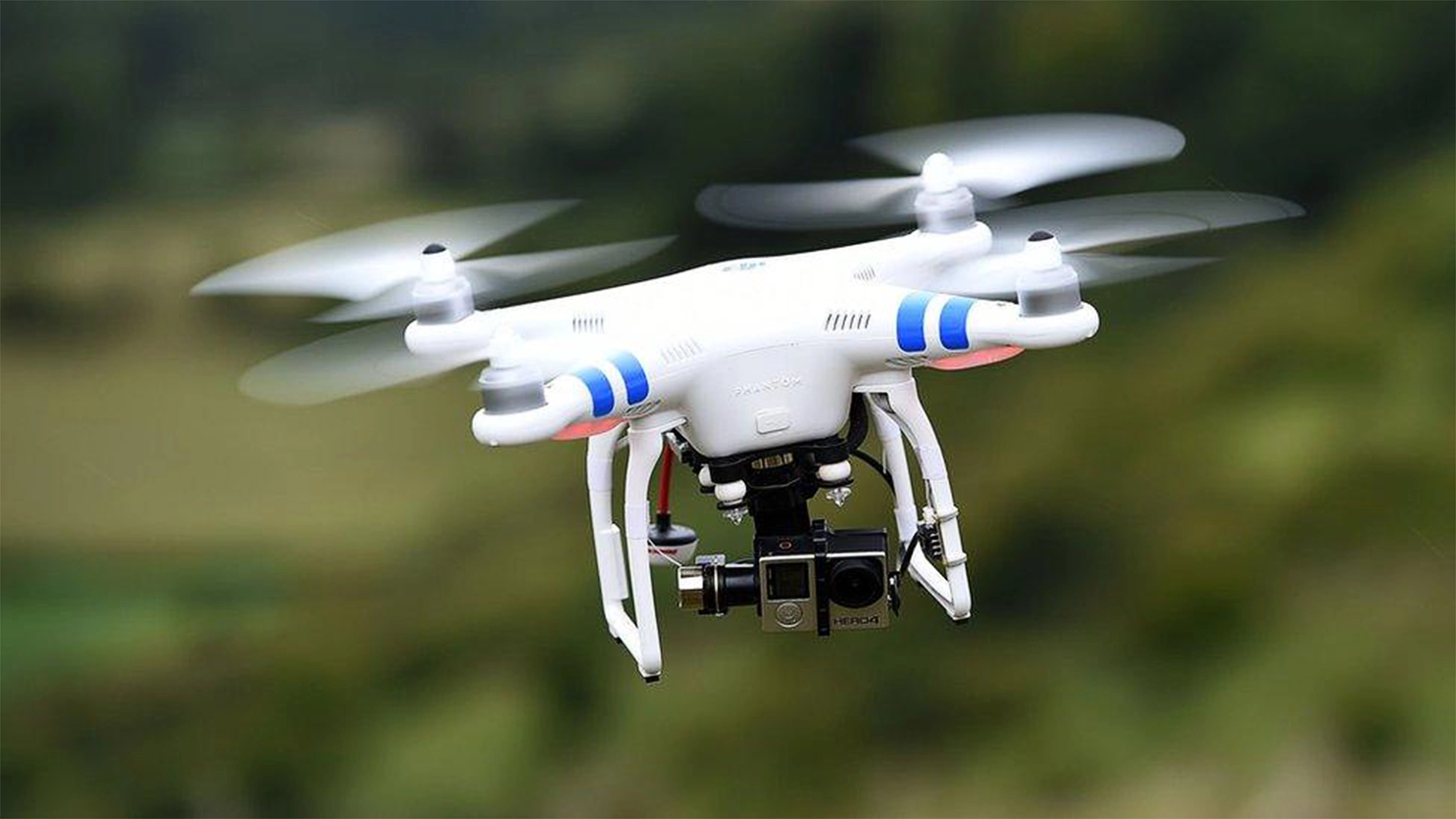
•Borno govt confirms 78 abducted students still in captivity
• FG denies report of attack on Girls’ College
The United Nations (UN) has raised the alarm over the growing use of drones, sophisticated communication technologies and cryptocurrencies by terrorist groups operating in Northern Nigeria and across the West Africa and Sahel region, warning that the evolving tactics are making the groups more difficult to combat.
The warning was delivered by Leonardo Simão, the Special Representative of the UN Secretary-General for West Africa and the Sahel and Head of the United Nations Office for West Africa and the Sahel (UNOWAS), during a briefing to the UN Security Council.
Simão presented the Secretary-General’s latest report on developments in West Africa and the Sahel, covering the period from November 29, 2025, to June 30, 2026, as the Security Council reviewed the political, security and humanitarian situation across the region.
The briefing followed the council’s decision to extend the mandate of UNOWAS until January 31, 2029.
According to Simão, terrorist organisations are rapidly adapting their methods by deploying modern technologies and expanding cross-border coordination.

“Armed groups are increasingly using drones, sophisticated communications and cryptocurrencies while coordinating operations across borders,” he said.
He noted that the activities of these groups have become deeply intertwined with transnational organised crime, enabling them to consolidate territorial and economic control while undermining public confidence in state institutions.
Simão said: “The problem is acute, especially in the central Sahel and Northern Nigeria. “Their actions intersect with transnational organised crime and are aimed at consolidating territorial and economic control, eroding public confidence in state authority, with serious consequences for social cohesion.”
The UN official identified Nigeria, Niger and Burkina Faso as countries continuing to suffer persistent terrorist attacks, kidnappings and heavy civilian casualties. He disclosed that the worsening insecurity has displaced approximately 6.8 million people across the region, while an additional 1.28 million people have become refugees or asylum seekers.
Simão said women, children and young people remain the most affected by the humanitarian crisis, noting that insecurity and funding shortages have significantly limited humanitarian access to vulnerable communities.
Despite the deteriorating security environment, he acknowledged ongoing regional cooperation efforts, including the reopening of the Kamba border crossing between Nigeria and Niger.

