 Follow Us on Google News
 Follow Us on Google Discover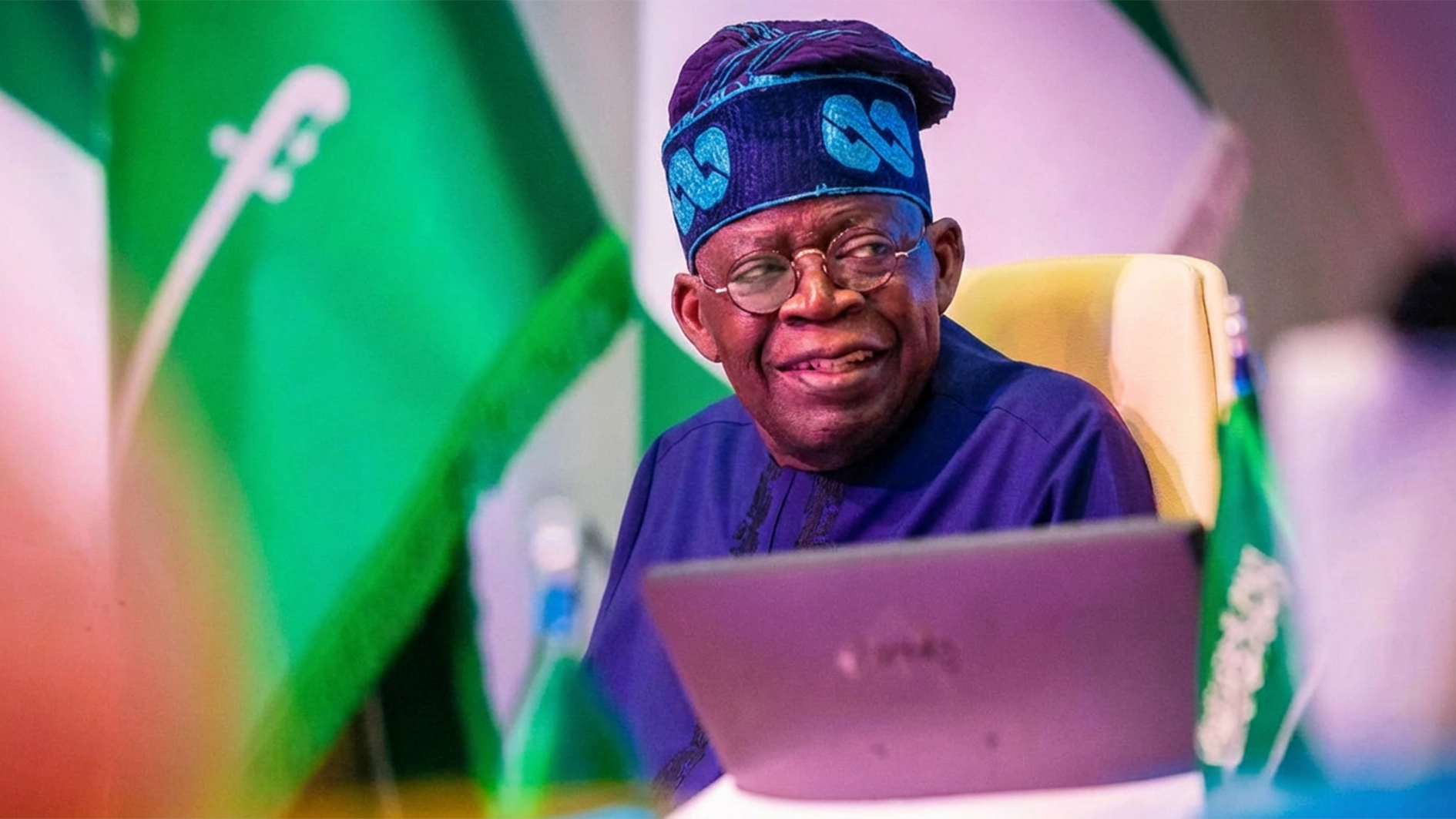
President Bola Tinubu has charged members of the National Economic Council (NEC) to work towards inclusive growth and sustainable development in Nigeria by ensuring that no part of the country is left behind.
He said his government was committed to inclusive and sustainable development, adding that the Renew Hope National Development Plan 2026-2030 is evidence-based, realistic, and anchored in inclusive, balanced, and environmentally sustainable growth.
Declaring open the second National Economic Council Conference on Monday in Abuja, the President said the plan prioritises economic diversification and productivity, human capital development, national competitiveness based on comparative advantage, private-sector-led growth, and climate resilience.
He said the theme of the conference, Delivering Inclusive Growth and Sustainable National Development: The Renewed Hope National Development Plan, speaks directly to Nigeria’s national aspirations.
According to him, it reflects the resolve to move from recovery to transformation, and from discussion to action that is inclusive, resilient, and sustainable.
Tinubu said the conference has reinforced collaboration, shared accountability, and a focus on practical solutions and measurable outcomes. “We must move decisively from declarations to implementation through data-driven decision-making, peer learning among states, local governments, and innovative financing models”, he said.

“Nigeria’s diversity is our strength. When states grow, Nigeria grows. When growth reaches the poorest households, national stability strengthens.”
The president said Nigeria stands at a crossroads with its recurring structural challenges, including infrastructure weaknesses, unemployment, poverty, climate vulnerabilities, and limited physical space.
“Yet our people possess the resilience, creativity, and determination to overcome these realities”, he said.
He noted that since the inception of his administration, the government has undertaken bold and necessary reforms to stabilise the economy, restore confidence, and lay the foundation for long-term growth. These reforms, he said, are instruments for delivering prosperity, dignity, and opportunity to all Nigerians.
“We have expanded social investment and human capital programmes targeting vulnerable households, youth, women, and small businesses. The Renew Hope Ward Development Project further demonstrates our commitment to grassroots inclusion through a bottom-up approach to national development,” he said.
He noted that these successes reflect strong collaboration among federal, the states, and local governments.
“We have recorded notable achievements that reflect our commitment to cooperative federalism and inclusive development”, he said.
He also stated that the monetary policy his administration has pursued since the reforms has yielded positive results and is being recognised around the world.
In his own speech, the Vice President, Senator Kashim Shetima, said the National Economic Council (NEC) is a forum that gives the constituent units of the federation a voice. According to him, “The National Economic Council remains the most suitable vehicle for delivering the promise of inclusive growth.”
Shetima, who is the Chairman of the NEC, said the theme of this year’s conference could not have been more apt. “This conference, therefore, is a continuation of our covenant with the Nigerian people, a moment to take stock of the task ahead”, he said.
“It is no longer enough to measure progress by GDP figures alone. We must ask harder questions. How does growth transform lives? How does it uplift communities? How does it strengthen national coherence? As members of this Council and leaders of our respective states, the weight of responsibility weighs heavily on our shoulders.”
He said Nigeria’s future will not be decided in Abuja alone. “It will be shaped in our states, in our local communities, and through the changes we make in foreign policy”, he said.
The Vice President called for a renewed commitment to collaboration, pragmatism, and shared responsibility.
In his opening speech, Minister of Budget and Economic Planning, Senator Abubakar Bagudu, stated that the decisions made by the President have bolstered the country’s federal structure. He emphasised that true federalism involves acknowledging the potential of the weakest units at the lowest levels of the federation.

