• Senators expose cracks, injustice in policy
• Groups back Seyi Tinubu’s protection amid Soyinka’s critique
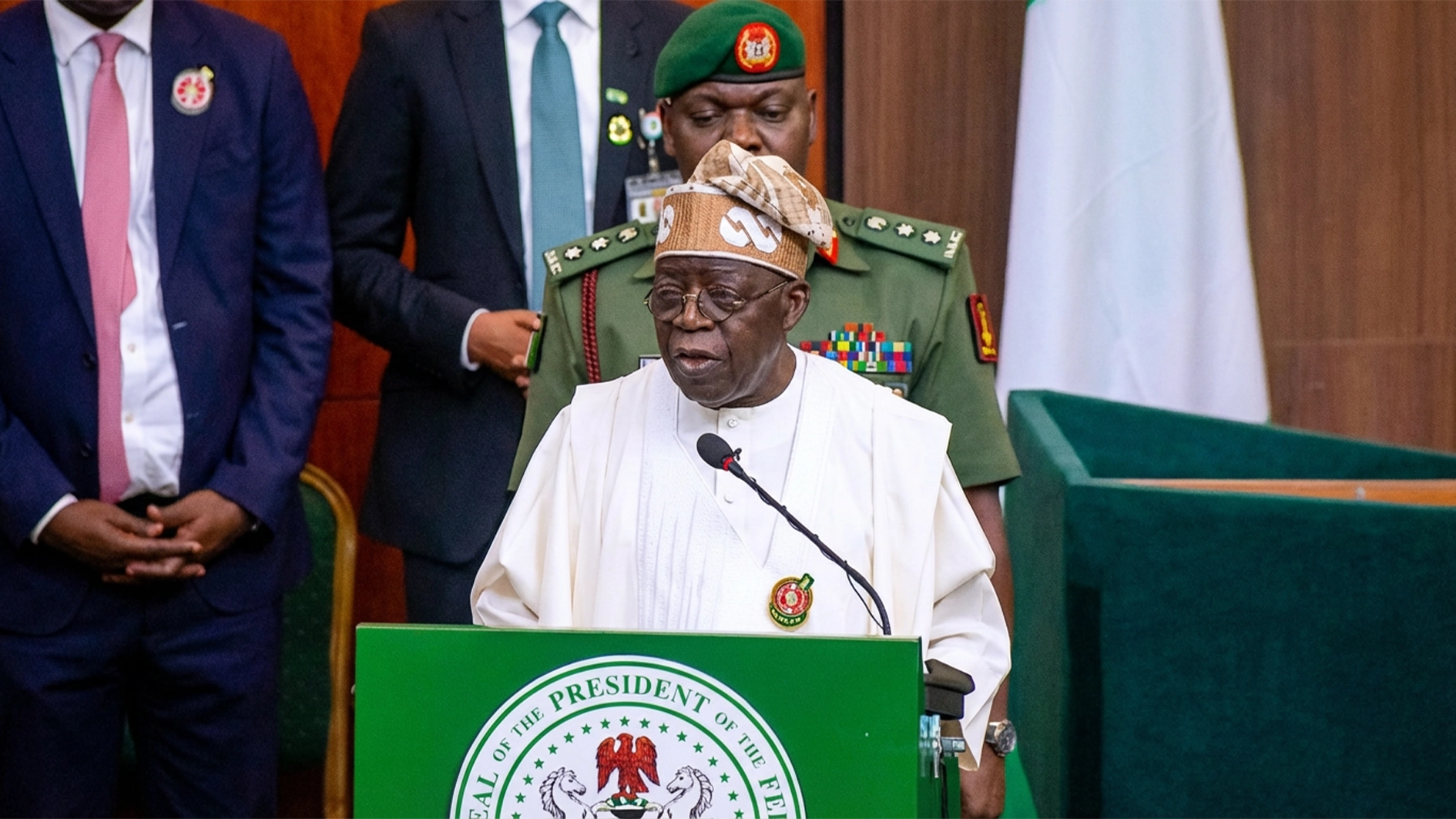
President Bola Tinubu has reiterated his earlier directive for the full withdrawal of police officers assigned to Very Important Persons (VIPs) across Nigeria, insisting that security personnel must be redeployed to conflict-prone areas to protect ordinary citizens.
The Senate, on its part, launched an investigation into “the unjust and inconsistent enforcement” of the directive. Despite the criticism by Nobel Laureate, Prof Wole Soyinka, two groups, Grassroots Mobilisation Initiative (GMI) and Democracy Watch Initiative (DWI), yesterday, defended the police protection provided to Tinubu’s son, Seyi.
Tinubu, speaking ahead of the Federal Executive Council (FEC) meeting at the Presidential Villa, Abuja, tasked the Minister of Interior, the Inspector-General of Police (IGP) and the Nigeria Security and Civil Defence Corps (NSCDC) to immediately replace the redeployed officers to ensure no gaps in security coverage.
“I told the IGP, and I hope the Minister of Police Affairs is here.If you have any security problems because of the nature of the assignment, please contact the IGP and get my clearance,” Tinubu said. “The Minister of Interior should liaise with the IGP and Civil Defence to replace those police officers on VIP duties, so people are not left exposed.”
He further directed the National Security Adviser (NSA) and the Department of State Services (DSS) to form a committee to review the structure and ensure full implementation of the redeployment plan.
ON livestock reform, Tinubu instructed Vice President Kashim Shettima to engage state governments via the National Economic Council (NEC) to identify grazing reserves suitable for rehabilitation into ranches and livestock settlements.
“We must eliminate the possibility of conflicts and turn livestock reform into economically viable development. The opportunity is there; let’s utilise it,” he said.
The President noted that state governments hold constitutional authority over land and urged cooperation to convert salvageable areas into productive livestock villages, creating jobs and reducing herder-farmer clashes.
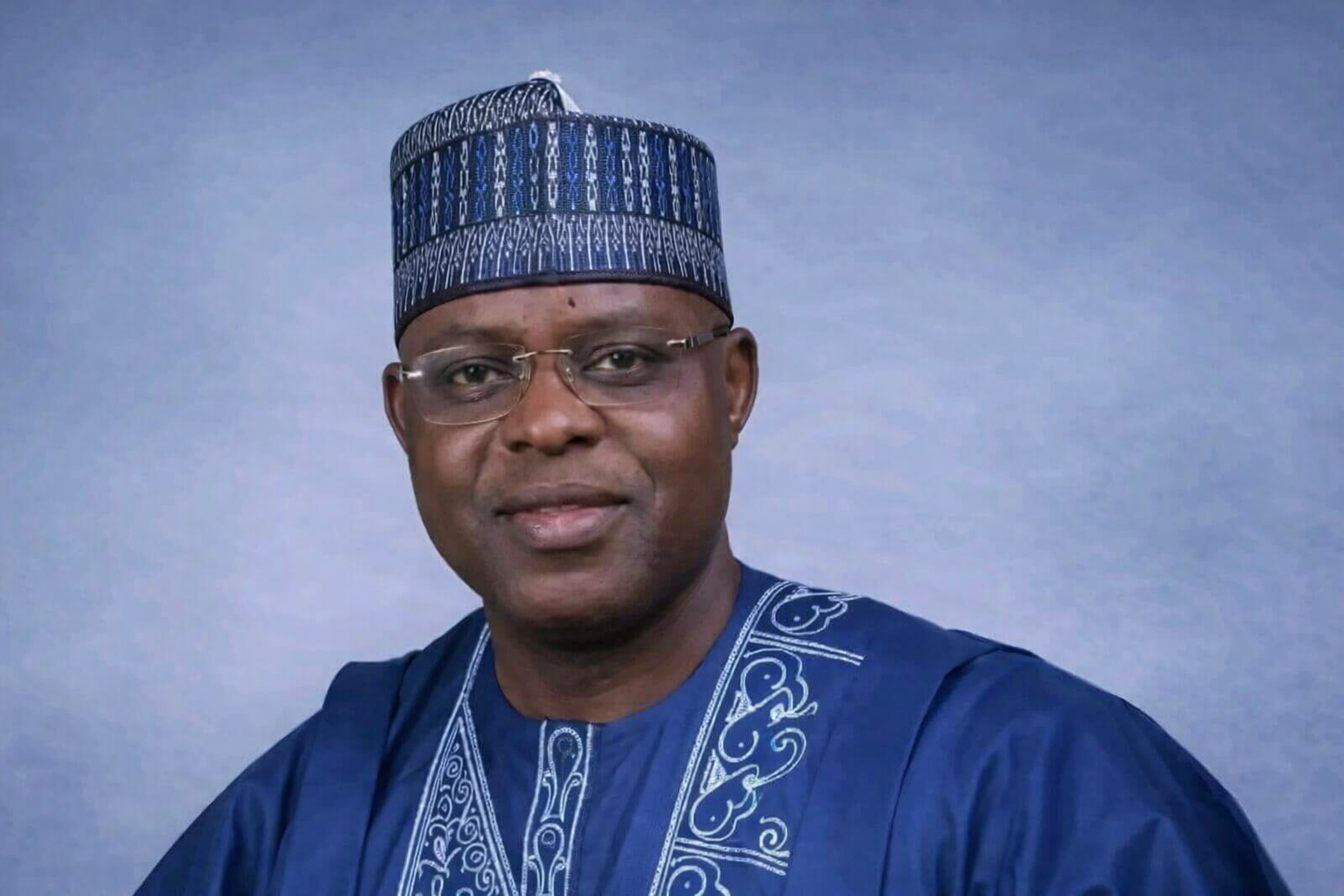
RISING under Order 9, Sen Abdul Ningi expressed concern that police orderlies had been withdrawn from lawmakers, while businessmen, celebrities, influencers and even their children continued to retain armed escorts. The senator’s intervention exposed glaring disparities in the implementation of the directive, prompting swift action from the Senate leadership.
The Bauchi Central lawmaker cited the Legislative Houses (Powers and Privileges) Act, relevant statutes, parliamentary precedent and long-standing practice to argue that the matter demanded immediate attention. He noted that “where standing orders are inadequate, the Senate is empowered to regulate its conduct.”
This came barely 48 hours after Soyinka sharply criticised the large number of armed security personnel accompanying Tinubu’s son. His comments came on Tuesday while presenting an honorary award to renowned poet and activist, Odia Ofeimun, who was honoured by the Wole Soyinka Centre for Investigative Journalism.
Soyinka mocked the lavish security detail, noting that he personally counted at least 15 heavily armed personnel accompanying Seyi to a hotel in Ikoyi, Lagos.
In a sardonic remark, Soyinka suggested that rather than deploying Nigerian soldiers and Air Force officials to the Republic of Benin to foil a coup on Sunday, the government could have sent Seyi with his personal security team to handle the operation. He had expressed his astonishment at the situation by reaching out to the National Security Adviser (NSA), Nuhu Ribadu, to lodge his concerns.
Ningi, a legislator in the National Assembly since 1999, revealed that he had only ever been assigned one police orderly and had never requested additional security personnel. He recounted the shock he experienced upon learning that his lone orderly, along with those of other senators, had been withdrawn.
“I have no personal problem with the withdrawal,” Ningi told the chamber, “but this policy must apply across the board. Let’s see what happens from the office of the President to the Vice President, the Senate President, the Speaker of the House, ministers and beyond.” He observed that while senators were stripped of security details, ministers moved in convoys with multiple police personnel.
Deputy President of the Senate, Barau Jibrin, acknowledged the seriousness of the matter, thanking Ningi for formally raising it. He revealed that the Senate leadership had already convened a meeting the previous day to discuss the withdrawal of police orderlies and that steps were being taken to resolve the situation.
Barau expressed confidence that the President would consider exempting members of the National Assembly from the directive.
GMI and DWI recalled that during the politically charged atmosphere of the 2023 pre-primary campaigns, Seyi Tinubu was attacked, an incident they said demonstrated the real threats he faced due to his visibility and influence.
In a statement, the GMI National Coordinator, Samaila Musa, and DWI Director of Strategic Communications, Dr Tunji Bamidele, stressed that Seyi Tinubu’s position as the first son of a sitting President placed him in a category that naturally attracts intense scrutiny and occasional hostility.
They stated: “We hold Soyinka in high regard for his contributions to literature and his advocacy for justice. We believe that his comments on this matter merit a thoughtful and reasoned rebuttal.
“Soyinka’s critique appears to stem from a perspective that overlooks the unique circumstances surrounding Seyi Tinubu’s public life and the potential threats he faces.” The groups affirmed their firm belief that Seyi deserves police protection based on his unique circumstances and exposure.