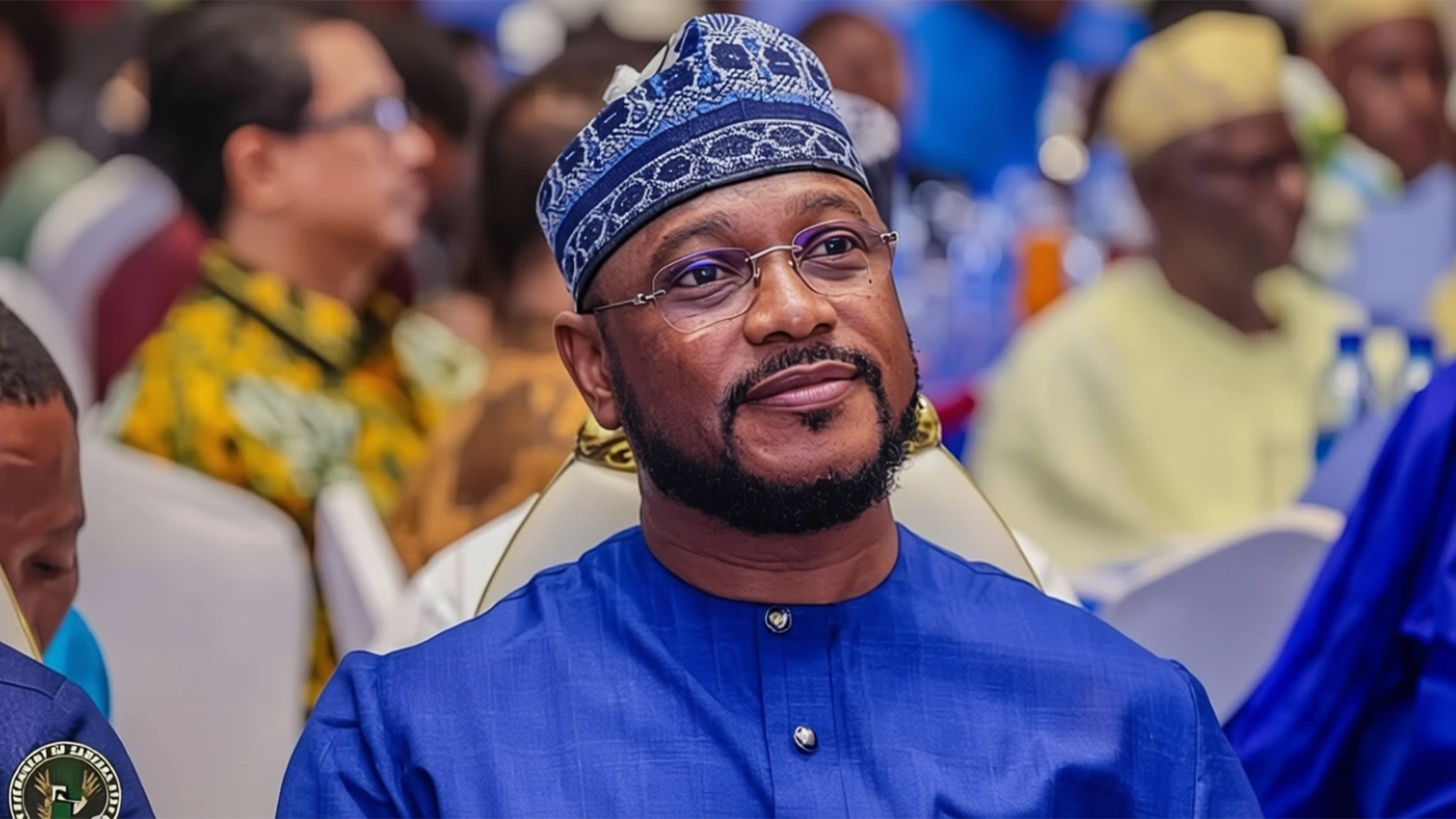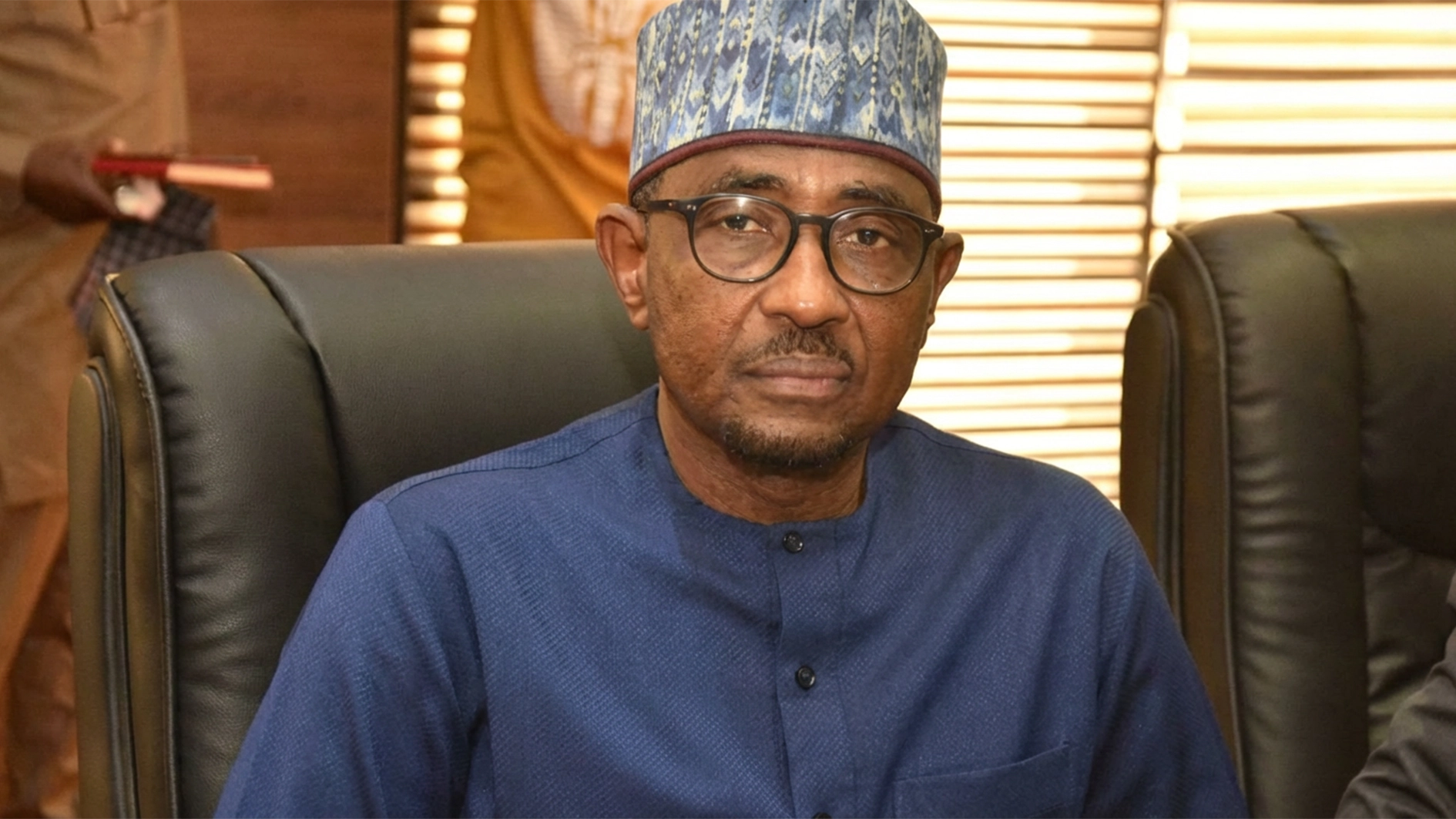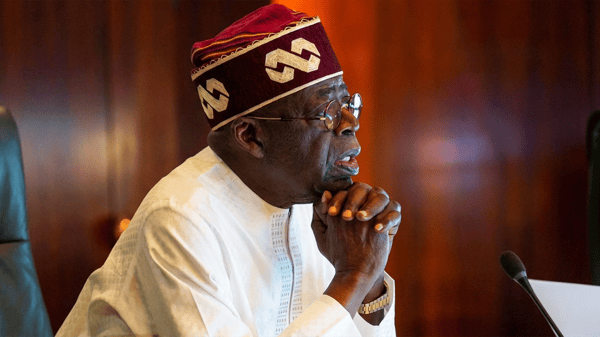
President Bola Tinubu has approved a full reconstitution of the Board of the Nigerian Electricity Regulatory Commission (NERC), following the Senate’s confirmation of the nominees on December 16.
The move signals a renewed push by the administration to stabilise the electricity market, strengthen regulatory oversight and accelerate the long-promised reform of Nigeria’s troubled power sector.
The Special Adviser on Information and Strategy, Bayo Onanuga, in a statement issued yesterday, explained that the appointments, comprising returning commissioners and new entrants, also reflect the transition into the regulatory framework of the Electricity Act, 2023, which expands the role of state governments, promotes competition and opens space for sub-national electricity markets.
At the helm of the Commission is Dr Mulisiu Olalekan Oseni, whose appointment as Chairman took effect from December 1, 2025. Oseni joined NERC in 2017 and rose to Vice Chairman, giving him a rare continuity advantage as the Commission undergoes its most significant structural and legal transition in two decades.
His chairmanship will run until the completion of his cumulative 10-year tenure as prescribed by law. Serving alongside him is Dr Yusuf Ali, now Vice Chairman, who was first appointed a commissioner in February 2022.
His elevation, also effective December 1, 2025, places him at the centre of licensing, tariff approvals and compliance functions, which are the key levers for stabilising the electricity value chain.
Two commissioners, Mr Nathan Rogers Shatti and Mr Dafe Akpeneye, return for second terms. Both were initially appointed in January 2017 and have been involved in tariff reforms, regulatory enforcement and efforts to clean up metering and market settlements.
Aisha Mahmud Kanti Bello, first appointed in December 2020, also proceeds into a second term. Dr Chidi Ike, appointed in February 2022, continues his first term, strengthening the Commission’s technical depth in market operations, consumer protection and distribution oversight.
The only newcomer, Dr Fouad Animashaun, begins his first term in December 2025. An energy economist with a strong footprint in state-level electricity regulation, Animashaun recently served as Executive Commissioner and Chief Executive Officer of the Lagos State Electricity Regulatory Commission, experience that aligns with the Electricity Act’s vision of devolved power markets, state-owned generation and distribution licenses.
His entry is viewed within government circles as a strategic investment in competitive pricing, fiscal discipline in the market and harmonisation of state and federal regulatory interventions.
According to the Presidential spokesman, Tinubu expects the new board to consolidate ongoing sector reforms, enforce discipline across market operators, safeguard consumer rights and support investments capable of lifting power supply beyond current national output.
The President, it was learnt, emphasised strict adherence to the letter and spirit of the Electricity Act, 2023, particularly provisions designed to expand generation capacity through private capital, strengthen cost-reflective pricing without consumer exploitation, support states seeking regulatory autonomy, ensure technical compliance by DisCos and GenCos, and curb market short-payment and energy theft.
The reconstitution of NERC comes at a sensitive time as the national grid struggles with low generation, liquidity shortfalls and mounting debt among distribution companies. Analysts have long argued that regulatory consistency, sanctions for contract breaches and investor confidence remain indispensable to sustainable electricity supply.