 Follow Us on Google News
 Follow Us on Google Discover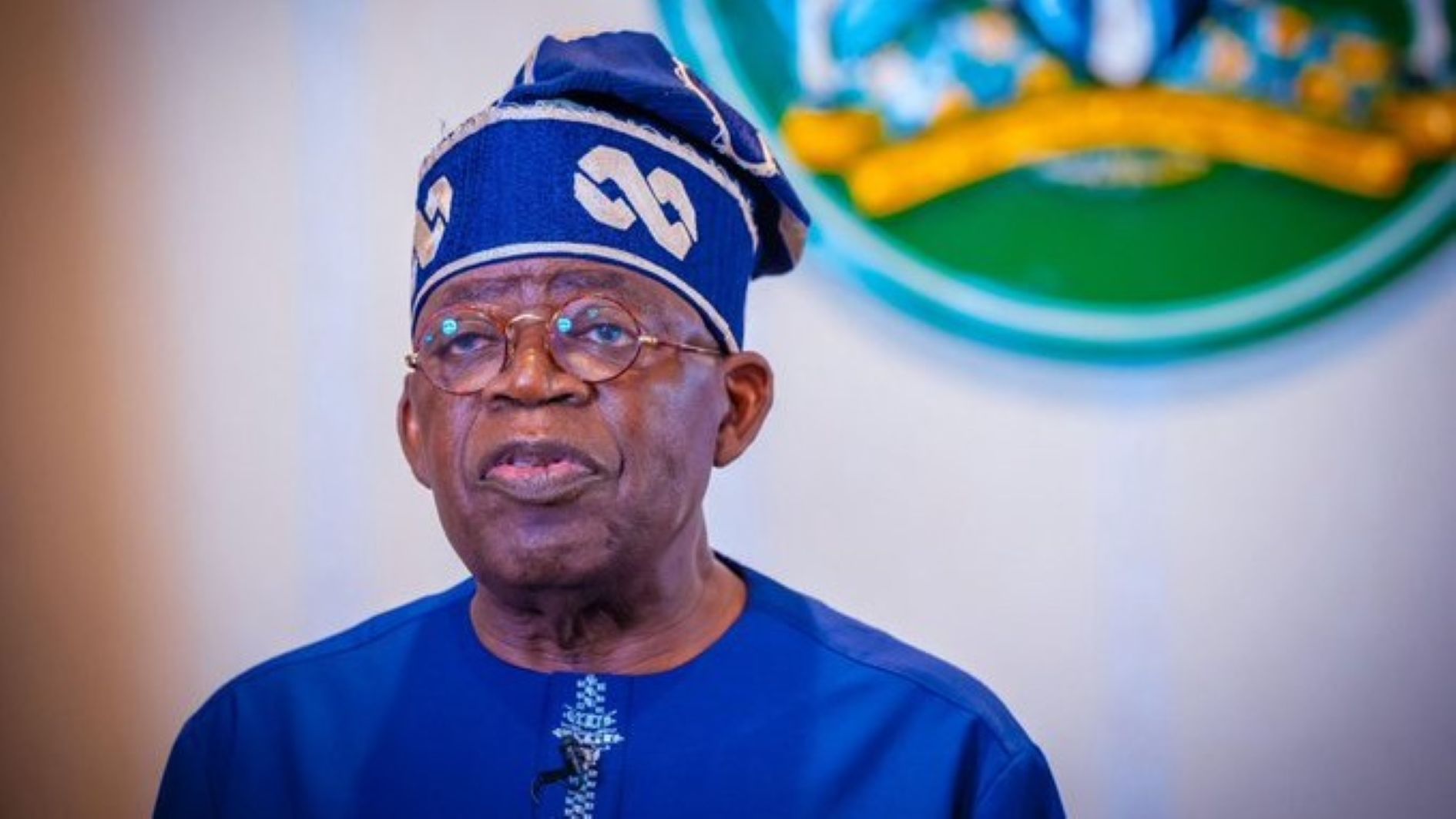
• Demands continental response to recurring attacks on Africans
• AU, lawyer seek urgent reform, conflict prevention ahead of trade gains
President Bola Tinubu has taken Nigeria’s concerns over recurring xenophobic and Afrophobic attacks in South Africa to the African Union (AU), demanding urgent continental action to protect the safety, dignity and rights of Africans across the continent.
Tinubu, who spoke through Vice President Kashim Shettima at the 21st Extraordinary Session of the Assembly of Heads of State and Government of the African Union in Luanda, Angola, said the attacks undermined the ideals of African solidarity, unity and peaceful coexistence.
The President called on the AU to place the issue on the agenda of its 40th Ordinary Session of the Assembly scheduled for January 2027, for consideration and appropriate action by African leaders.
“Nigeria wishes to express its concern over the recurring xenophobic and Afrophobic attacks against Africans and other nationals in South Africa,” Tinubu said.
While acknowledging South Africa’s sovereign right to enforce its immigration laws and its contributions to the continent, the President stressed that such attacks could not be divorced from Africa’s broader commitment to unity and solidarity.

inubu urged the continental body and member states to intensify efforts to combat xenophobia and Afrophobia, stressing that dialogue, preventive diplomacy and collective action remained critical to preserving African unity.
On the wider security challenges confronting the continent, Tinubu backed the adoption of the Luanda Action Plan as a practical framework for strengthening conflict prevention and addressing the root causes of instability.
He argued that preventing conflicts remained more cost-effective and sustainable than attempting to manage them after they had escalated.
He, however, warned that fragmented peace initiatives and growing external interference through foreign military forces, mercenaries and private defence contractors could undermine the AU’s conflict-prevention architecture and weaken the principle of African ownership.
Tinubu also called on arms-producing and exporting countries to strengthen cooperation with African states to prevent weapons and ammunition manufactured within their jurisdictions from being diverted to terrorists and other non-state armed groups.
According to him, although the AU has established mechanisms for conflict prevention and resolution, limited trust among member states and inconsistent implementation have continued to constrain their effectiveness.
MEANWHILE, the Chairperson of the AU Commission, Mahmoud Ali Youssouf, has called for urgent reform of Africa’s peace and security architecture.
He made the call while speaking at the 21st Extraordinary African Union (AU) Summit on conflict prevention and resolution in Luanda, Angola, yesterday.
Youssouf observed that from Sudan and eastern DRC to Somalia, the Sahel, Libya, northern Mozambique and Madagascar, persistent crises and emerging threats, including terrorism, violent extremism, piracy, transnational crime & the mistreatment of migrants, demand stronger collective action.
IN another development, a legal expert and Managing Partner of Perchstone & Graeys, Dr Tolu Aderemi, has urged African leaders, the African Union (AU) and the African Development Bank (AfDB) to prioritise conflict prevention over trade-driven recovery strategies, warning that decades of trade-focused interventions in fragile states have failed to deliver lasting stability.
Aderemi spoke as keynote speaker at the Lady Justice Joyce Aluoch Moot Competition in Nairobi, organised by the United States International University-Africa in collaboration with Women in ADR Kenya.
Speaking on the theme, “From Conflict to Consensus: Leveraging Trade to Transform Conflict-Affected Economies,” Aderemi cited Iraq, Libya, Somalia and Sudan as examples of policy failure, noting that in each case, trade initiatives were deployed without the institutional backbone required to sustain them.
The event, held in honour of retired International Criminal Court Judge, Justice Joyce Aluoch, attracted senior diplomatic and legal figures, including Somalia’s Ambassador to Kenya and Permanent Representative to the United Nations Office at Nairobi, Jabril Ibrahim Abdulle, as well as former Attorney General of Kenya, Prof. Githu Muigai.
He maintained that trade had never independently rebuilt a fractured economy, describing it as a “second-stage instrument” that only succeeded after peace and institutional order had been secured.

