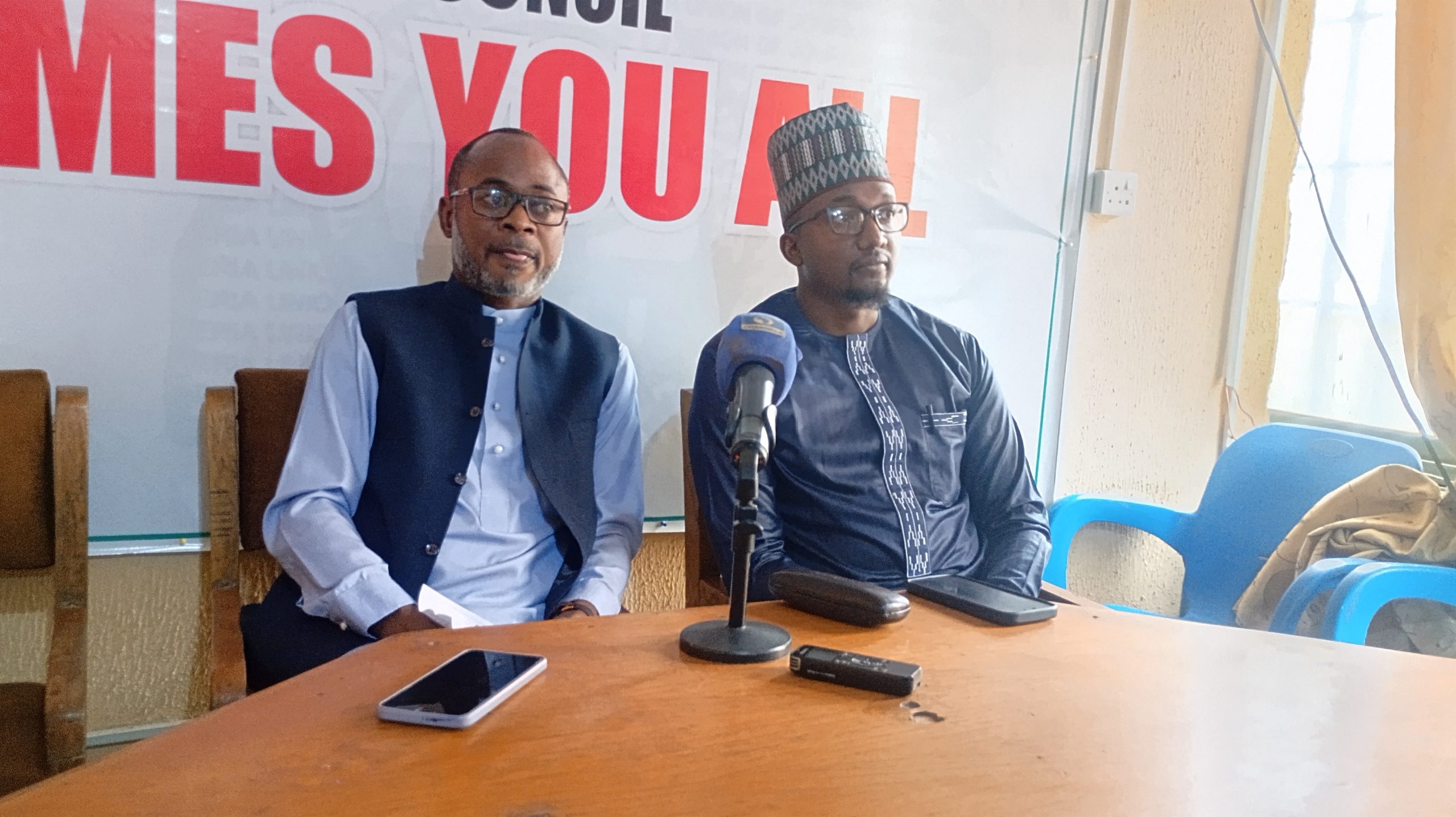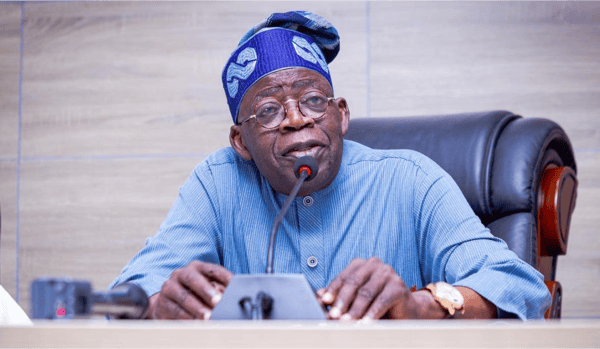
Vice President Kashim Shettima has affirmed that the administration of President Bola Tinubu is deeply committed to walking hand in hand with Nigerians through the nation’s reform journey, rather than governing from a distance.
Speaking on Tuesday in Abuja at a two-day interactive session on Government-Citizens Engagement, organised by the Sir Ahmadu Bello Memorial Foundation, the Vice President said the administration remains anchored on empathy, inclusiveness, and wide-ranging public engagement in its approach to policymaking.
The Vice President, who was represented by the Special Adviser to the President on General Duties, Dr Aliyu Modibbo Umar, stressed that President Tinubu “is not governing from a distance but walking hand in hand with Nigerians through difficult reforms.”
He noted that President Tinubu has consistently demonstrated that his government is “neither crafting policy in solitude nor assuming that technocracy alone delivers results,” but rather convening conversations and institutionalising listening.
Citing examples, the Vice President highlighted how public feedback has influenced key policy adjustments, including in the areas of tax reform, higher education access, and post-subsidy economic interventions.
On the student loan law, he recalled how the administration repealed and reenacted the Access to Higher Education Act after feedback revealed that income ceilings and guarantor requirements were excluding deserving applicants.
“No student should be disqualified for being born on the wrong side of poverty,” he declared.
In the area of tax reform, Shettima said the Tinubu administration, through the Presidential Tax and Fiscal Reform Committee, consulted widely with stakeholders to refine proposals and remove inherited burdens that lacked consensus.
“When objections arose from governors and citizens alike, the President did not dismiss them. He welcomed their candour… Even unpopular taxes inherited from past regimes, like the 10 per cent single-use plastic levy and telecom tax, were suspended after critical review,” he explained.
On the removal of fuel subsidy, Shettima acknowledged the hardship it caused but stressed that the government approached the issue with empathy and strategic responses.
“We met with labour unions not with threats, but with empathy. We offered palliatives, increased wages, waived diesel taxes, and introduced alternatives like CNG buses to cushion transport costs. We were not merely reacting, we were responding,” he said.
He added that similar people-focused engagement has shaped reforms in other sectors, reinforcing the administration’s belief that governance is not a theatre of perfection, but a process of continuous improvement.
“A government that listens is a government that learns. And a government that learns is a government that leads,” Shettima noted.
The Vice President lauded the Sir Ahmadu Bello Memorial Foundation for preserving the legacy of the late Premier of Northern Nigeria, describing it as “a torch of civic dialogue that must never be extinguished.”