
 Get Guardian on Google
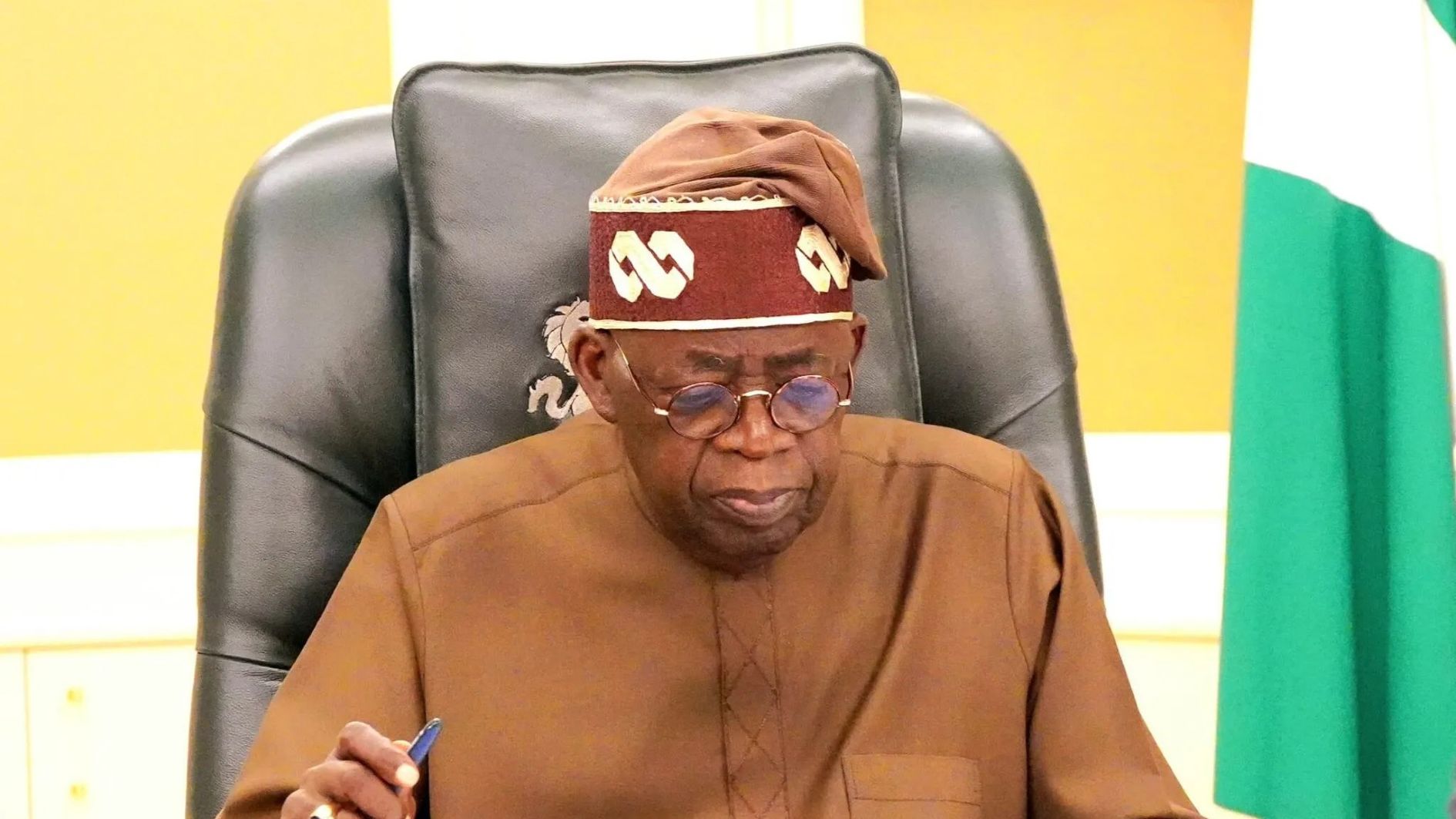
Director of Abuja School of Social and Political Thoughts, Sam Amadi, has accused the President Bola Tinubu administration of designing economic policies that favour wealthy Nigerians and businesses at the expense of low-income citizens.
Speaking on Arise News yesterday, Amadi said government policies reflected the interests they were designed to protect, arguing that the current administration’s choices showed greater concern for the business class and affluent entrepreneurs.
He said subsidy was neither inherently good nor bad, but that its impact depended on who benefited from it. According to him, subsidy could be used to support the poor, but could also reinforce the interests of a small elite when poorly designed.
Amadi acknowledged that Nigeria’s subsidy problems predated the present administration, citing petrol subsidy as an example.
He said the policy had long been criticised for creating opportunities for corruption and benefiting middlemen and marketers rather than the wider population.
However, he said the Tinubu administration’s current policy direction was not sufficiently focused on lifting poor Nigerians out of poverty.
He pointed to the government’s relationship with the corporate sector compared with its handling of basic public services. Citing Lagos State as an example, Amadi said strong revenue performance and close ties with the private sector had not been matched by similar improvements in education and healthcare, which he said were critical to low-income Nigerians.
He urged policymakers to assess economic policies based on evidence of their impact on citizens rather than administrative processes. The key question, he said, should be whether Nigerians were “getting poorer” or “getting richer.”
Amadi maintained that subsidy would continue to reflect the interests a government chose to protect and the evidence it relied on in making policy decisions. His comments come amid ongoing debate over whether the administration’s fiscal reforms, including the removal of petrol subsidies, have improved living conditions or disproportionately benefited businesses and wealthier Nigerians.