
 Get Guardian on Google
The United Nations (UN) Women has called on parents to prioritise girls’ education, warning that cultural beliefs and practices that confine women to domestic roles undermine their development and promote poverty.
United Nations (UN) Women Representative to Nigeria and the Economic Community of West African States (ECOWAS), Mrs Beatrice Eyong, said that the prevailing traditional belief that women often end up in the kitchen undermines investment in girls’ education and urged parents to invest in their girl child’s education.
She stressed that denying girls the right to education perpetuates poverty in society. She also called on traditional and religious leaders to promote girls’ education and safety while highlighting how a study conducted in Cameroon revealed that cultural and religious practices prevent women from accessing good healthcare services.
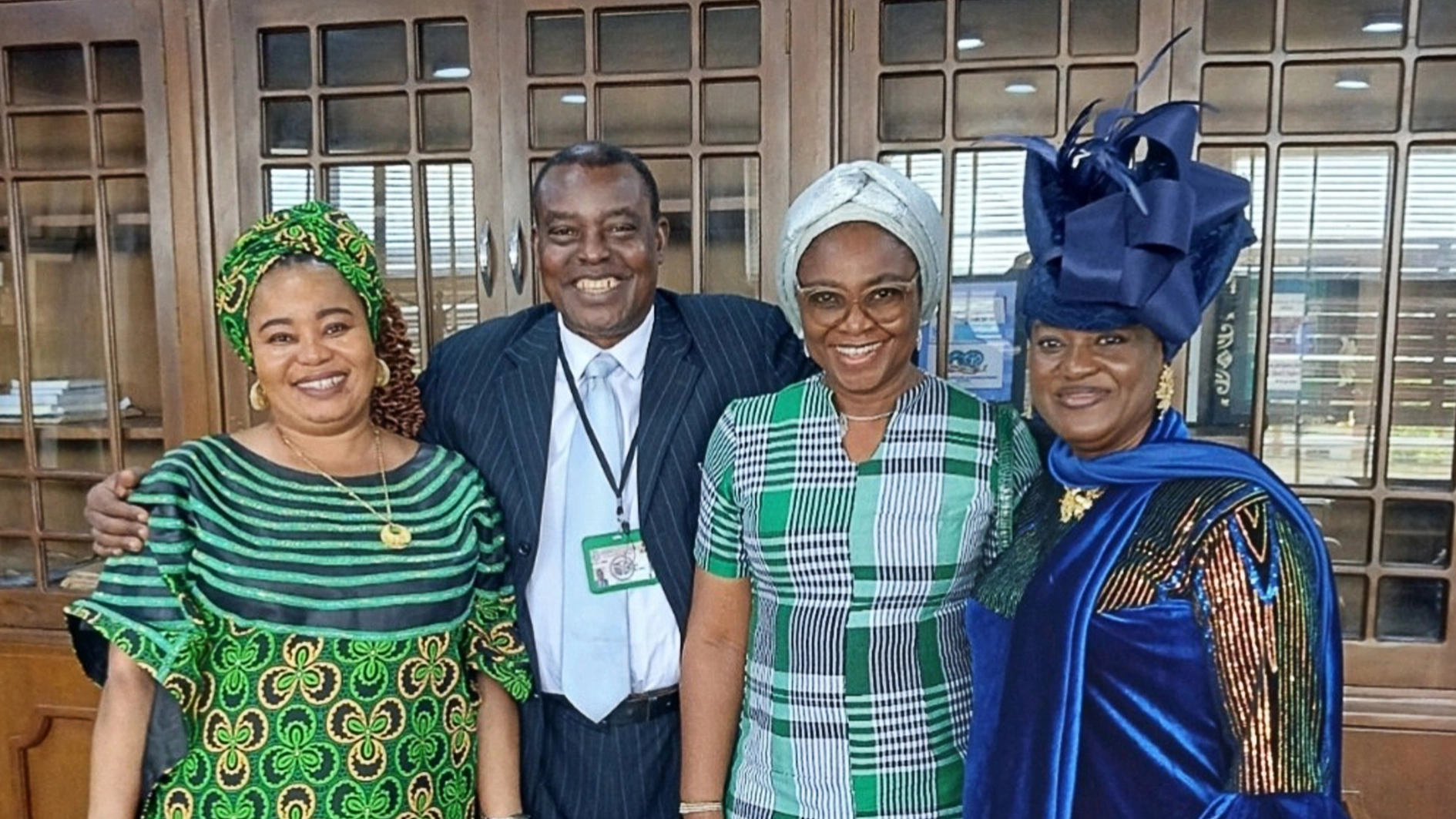
This was disclosed at the Commemoration of the United Nations International Day of the Girl Child 2026, themed: Protecting Her Future: Keeping Girls in School and Ending Child Marriage, organised by Nigerian Institute of International Affairs in partnership with Hope and Recovery Youth Foundation, held in Lagos.
She also emphasised the importance of having female professionals across all sectors and noted that educating girls contributes to national economic and social development.
She reaffirmed UN Women’s commitment to girls’ education and gender equality through sensitisation, advocacy and its Second Chance Education programme for out-of-school children, particularly girls. She concluded by urging all stakeholders to advocate for girls’ education and ensure equal opportunities and access for girls to learn, develop their skills, and build better futures.
Representing the Director-General, NIIA, Professor Eghosa Osaghae, Director of Research, NIIA, Associate Professor Joshua Bolarinwa, noted that the International Day of the Girl Child is not just to celebrate the girl child but also the boy child, as society requires both genders to function.
He emphasised every girl’s right to safety, quality education, equal opportunities, and personal development, while encouraged boys to promote respect, equality and inclusion.
He also highlighted the harmful consequences of child marriage, the need to strengthen awareness and enforce child protection laws, and to challenge customs and practices that limit the girl child, urging all stakeholders to make practical commitments towards protecting girls’ rights.
The Founder, Hope and Recovery Youth Foundation, Queen Esther Amakwe, highlighted the need for all stakeholders, including parents, teachers, leaders, and communities, to actively contribute to protecting, educating, and respecting the rights of the girl child. She stressed the need to ensure that girls are given the opportunity to reach their full potential and not sent into child or early marriage.
She also encouraged the girls to believe in themselves and pursue their aspirations while emphasising that their voice matters and that their dreams and aspirations are valid.
Head of the International Law Division, NIIA, Dr Rita Agu, examined the legal rights of the girl child in Nigeria. Highlighting legal frameworks, she emphasised that girls have the right to access to education, protection from violence, exploitation and child marriage.
She also highlighted the roles of parents, teachers, communities and young people in promoting gender equality and safeguarding girls’ futures.
Guidance Counsellor and Psychologist, Mrs Esther Temitope-Lawal, educated the participants, particularly the girl students present, on the emotional well-being of the girl child. She highlighted the need to acknowledge and not disregard every feeling of the girls, particularly the ones that come with puberty.
Montessori Educator and Wise Counsellor, Mrs Kristine Usanga, spoke on the safety of the girl child and the need to protect them from all forms of abuse, while also urging students present to speak up in case of abuse.

Technical Assistant to the Permanent Secretary, Federal Ministry of Education, Mrs Callista Chibuizor-Collins, highlighted self-defence measures and channels through which violence, particularly against the girl child, can be reported. She emphasised the role of the government in encouraging girls’ education and how civil societies can access government funding.
Founder, Bappa Foundation, Mr Bappa Aminu, stressed that boys and men have important roles to play in ending child marriage and curtailing the number of out-of-school children.
“Our generation should be the generation that insists that our sister must finish school,” he said.
Students from Queen Esther International School, Corona Primary School and Home Science Association Nursery and Primary School also gave presentations on issues relating to the girl child.