 Follow Us on Google News


 Follow Us on Google Discover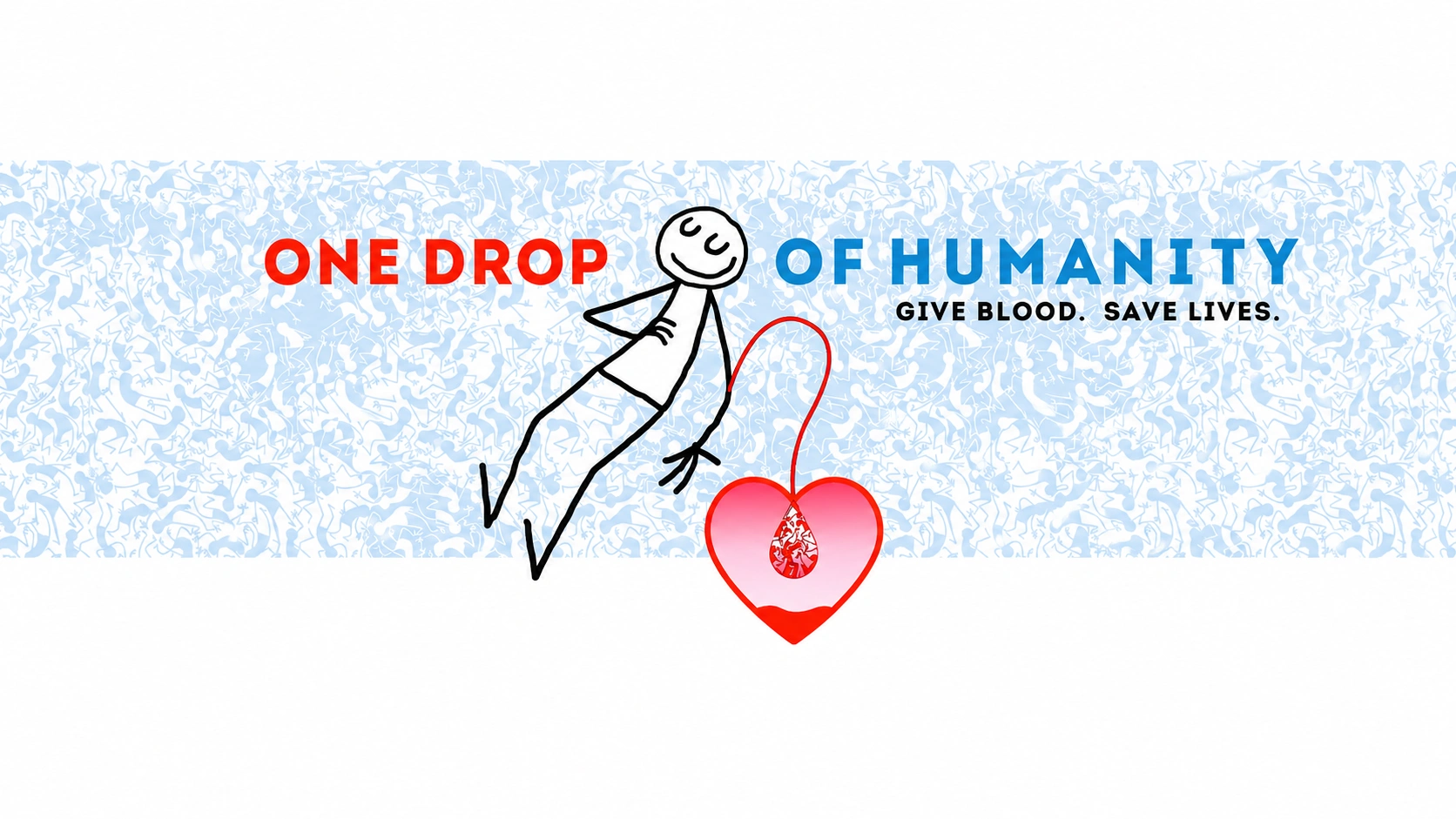
The Director-General of the National Blood Service Agency (NBSA), Professor Saleh Yuguda, has called for greater commitment to voluntary blood donation following the unveiling of the official slogan for the 2026 World Blood Donor Day (WBDD) campaign by the World Health Organisation (WHO).
The slogan for this year’s global campaign is: “One Drop of Humanity. Give Blood. Save Lives.”
Yuguda, while conveying the message to stakeholders and partners in the blood transfusion sector, urged Nigerians to support efforts aimed at ensuring a safe, sustainable and adequate blood supply through regular voluntary donations.
According to him, the 2026 campaign is designed to strengthen global efforts to increase regular, voluntary and unpaid blood donation while raising awareness about the life-saving impact of blood and plasma donation.
He said the campaign would also highlight the invaluable contributions of blood donors and promote the values of solidarity, compassion and humanity that underpin blood donation worldwide.
“The campaign seeks to drive sustained growth in regular, voluntary and unpaid blood donation globally while raising awareness of the critical role blood and plasma donors play in saving lives,” he said.

Yuguda added that the initiative would encourage governments, development partners and relevant stakeholders to invest more in national blood programmes to achieve universal access to safe blood transfusion services.
A key focus of the 2026 campaign, he noted, would be community integration and grassroots engagement, with the agency planning to take advocacy activities beyond hospitals and health facilities into communities across the country.
He explained that traditional rulers, community leaders, youth groups, faith-based organisations and other local stakeholders would be actively engaged to promote voluntary blood donation and strengthen community ownership of blood services.
According to him, the community-based approach is expected to deepen public understanding of blood donation, address misconceptions surrounding the practice and help build sustainable donor pools capable of meeting the country’s blood needs.
Yuguda stressed that voluntary blood donation remains critical to supporting emergency care, maternal health services, surgical procedures and the treatment of patients living with various medical conditions.
World Blood Donor Day is commemorated annually on June 14 to recognise the contributions of voluntary blood donors and advocate stronger blood systems capable of meeting transfusion demands worldwide.
The 2026 campaign is expected to mobilise governments, healthcare institutions, civil society organisations and citizens to embrace blood donation as a humanitarian act capable of saving millions of lives while strengthening access to safe blood transfusion services.
Health experts have consistently emphasised that regular voluntary blood donation remains one of the most effective ways of ensuring a reliable and safe blood supply for patients in need, particularly during emergencies and critical medical interventions.

