 Follow Us on Google News


 Follow Us on Google Discover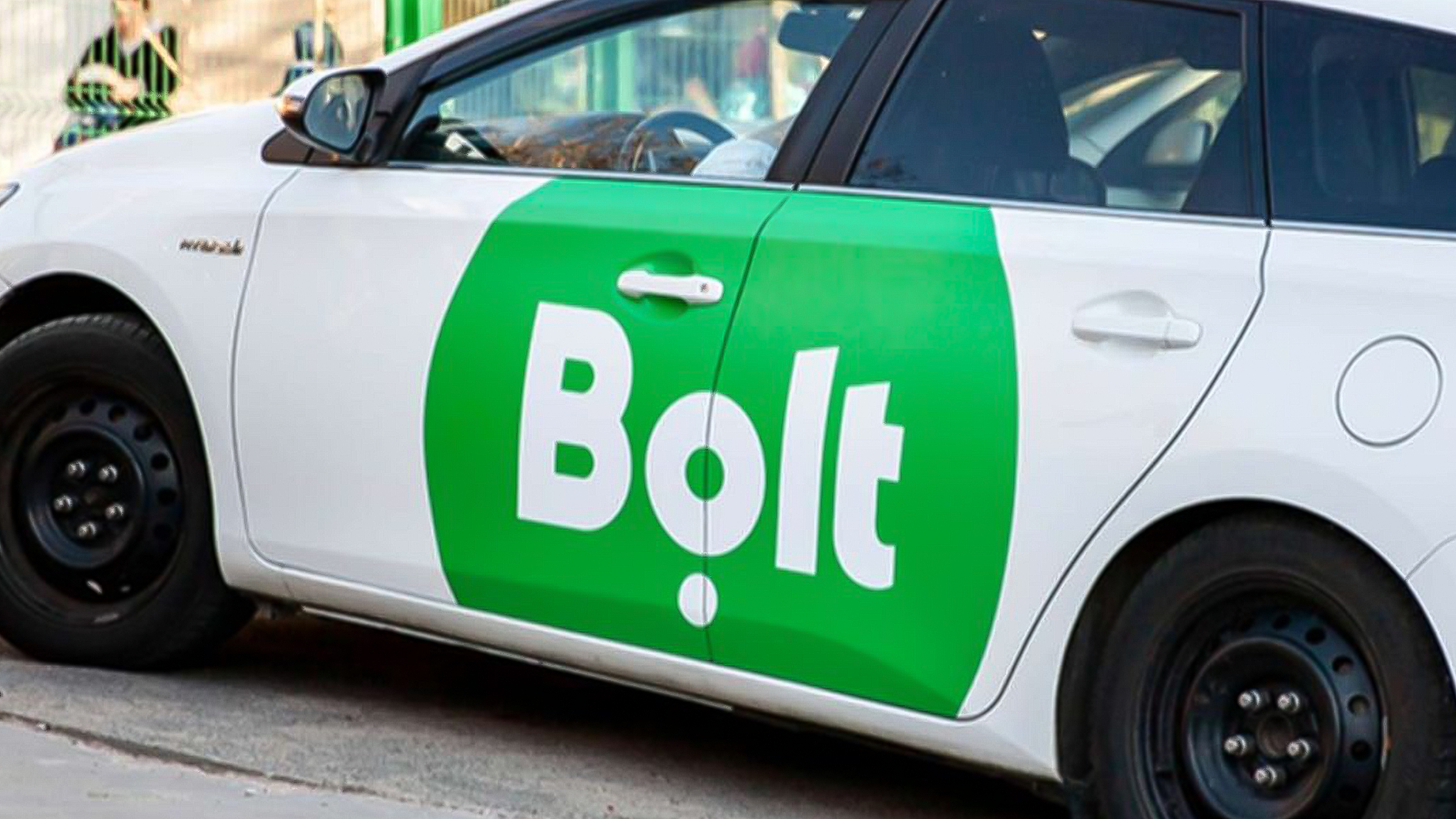
Uber’s exit from Nigeria has left more than a gap in the ride-hailing market. It has created an immediate question for thousands of drivers and riders, what comes next?
After 12 years in Nigeria, Uber discontinued its ride-hailing operations on September 2, 2026, following a review of its business priorities and investment focus. The decision has left drivers considering how to continue earning from vehicles they may have financed specifically for ride-hailing, while riders are having to rethink the platform they rely on for everyday mobility.
For many, the answer may not simply be about finding another app. It is about finding a platform that can offer continuity, safety, reliability and a genuine understanding of the Nigerian market.
That is where Bolt has an opportunity to stand out.
The question is no longer whether Nigerians need ride-hailing. Nigeria’s mobility needs did not disappear with Uber’s exit. People still need to get to work, airports, schools, meetings and social events. Businesses still need employees and customers to move around cities. And thousands of drivers still need access to passengers to earn a living.
The sudden change has therefore created a period of uncertainty, particularly for drivers. Reports have highlighted concerns among drivers who financed their vehicles to operate on Uber, with some now facing questions about how they will continue earning and meeting their repayment obligations.

For riders, the immediate concern is different but equally straightforward, which platform can they trust to meet their mobility needs consistently?
The answer should not be based simply on which company has the most aggressive recruitment campaign. Nigerians have an opportunity to ask more important questions about what they expect from their next mobility platform.
When people get into a car with a stranger, safety cannot be treated as a secondary consideration.
The next generation of ride-hailing in Nigeria will need to put safety at the centre of the experience, from who is allowed to drive on the platform to what happens when something goes wrong during a trip.
This includes driver verification, tools that help riders identify their driver and vehicle, trip-sharing capabilities, emergency assistance, responsive customer support and systems that encourage accountability on both sides of the platform.
Bolt has spent years building its safety infrastructure and working with stakeholders in Nigeria around safer mobility. Its approach reflects a simple reality, technology is most valuable when it helps people feel more confident about moving around their cities.
The conversation after Uber’s exit should therefore not be about which company is “winning”. It should be about what standards riders and drivers should expect from the platforms they use.
For most Nigerians, ride-hailing is not simply a convenience anymore. For many, it is part of how they navigate increasingly busy cities.
That makes availability and reliability critical. A platform needs enough drivers to serve demand, technology that works when people need it and operations that understand the realities of different Nigerian cities.
Bolt’s established presence across the country gives it an important advantage at a time when riders and drivers are looking for continuity.
The company has already built a community of riders and driver partners in Nigeria and has publicly reaffirmed that Nigeria remains an important market for its long-term growth.
That commitment matters because the biggest question following Uber’s departure is not simply who can attract its former users?
It is who is prepared to remain when the market becomes difficult?
Drivers are at the centre of the ride-hailing ecosystem. Without them, there are no rides. And without viable opportunities for drivers, there cannot be a sustainable mobility platform.
This is particularly important now. Drivers who have suddenly lost access to Uber need somewhere else to generate income, but they also need a platform that understands the economics of operating a vehicle in Nigeria.
Fuel costs, vehicle maintenance, financing, traffic and fluctuating demand all affect the driver’s ability to earn.
The opportunity for Bolt is therefore not simply to tell Uber drivers to “switch apps”. It is to demonstrate why moving to an established platform can provide them with another route to continue their livelihoods.
With the Nigerian ride-hailing market entering a new phase, platforms will increasingly be judged by how effectively they support the people who keep them running.
One of the biggest lessons from the current situation is that operating in Nigeria requires more than bringing a global technology platform into the country.
It requires understanding the market. Nigerian cities are different. Rider expectations vary. Driver economics vary. Regulatory environments evolve. Consumer behaviour changes quickly.
Platforms that succeed over the long term will be those capable of adapting their products and operations to these realities while continuing to invest in the market.
Bolt has been operating in Nigeria since 2016. Over the years, it has expanded beyond its initial offering, introduced different ride categories and built operations across multiple Nigerian cities.
That experience gives the company an understanding of the market that cannot be built overnight.
It would be easy to frame the current moment as a battle for Uber’s former riders and drivers.
But that would undersell what is happening. Nigeria’s mobility market is entering a new chapter.
Bolt has said it intends to remain firmly committed to Nigeria, continuing to serve riders, create earning opportunities for drivers and strengthen its operations.
That means the company’s opportunity is not merely to inherit users from another platform. It is to demonstrate that an established mobility company can continue investing, innovating and creating value in Nigeria for the long term.
For riders, that means having a dependable alternative. For drivers, it means another opportunity to keep earning.
For the wider mobility ecosystem, it means maintaining competition and choice at a time when both are particularly important.
Uber’s departure is undoubtedly a significant moment for Nigeria’s ride-hailing industry. But it does not signal the end of the sector. The need to move has not changed. The platform may have.

