 Follow Us on Google News
 Follow Us on Google Discover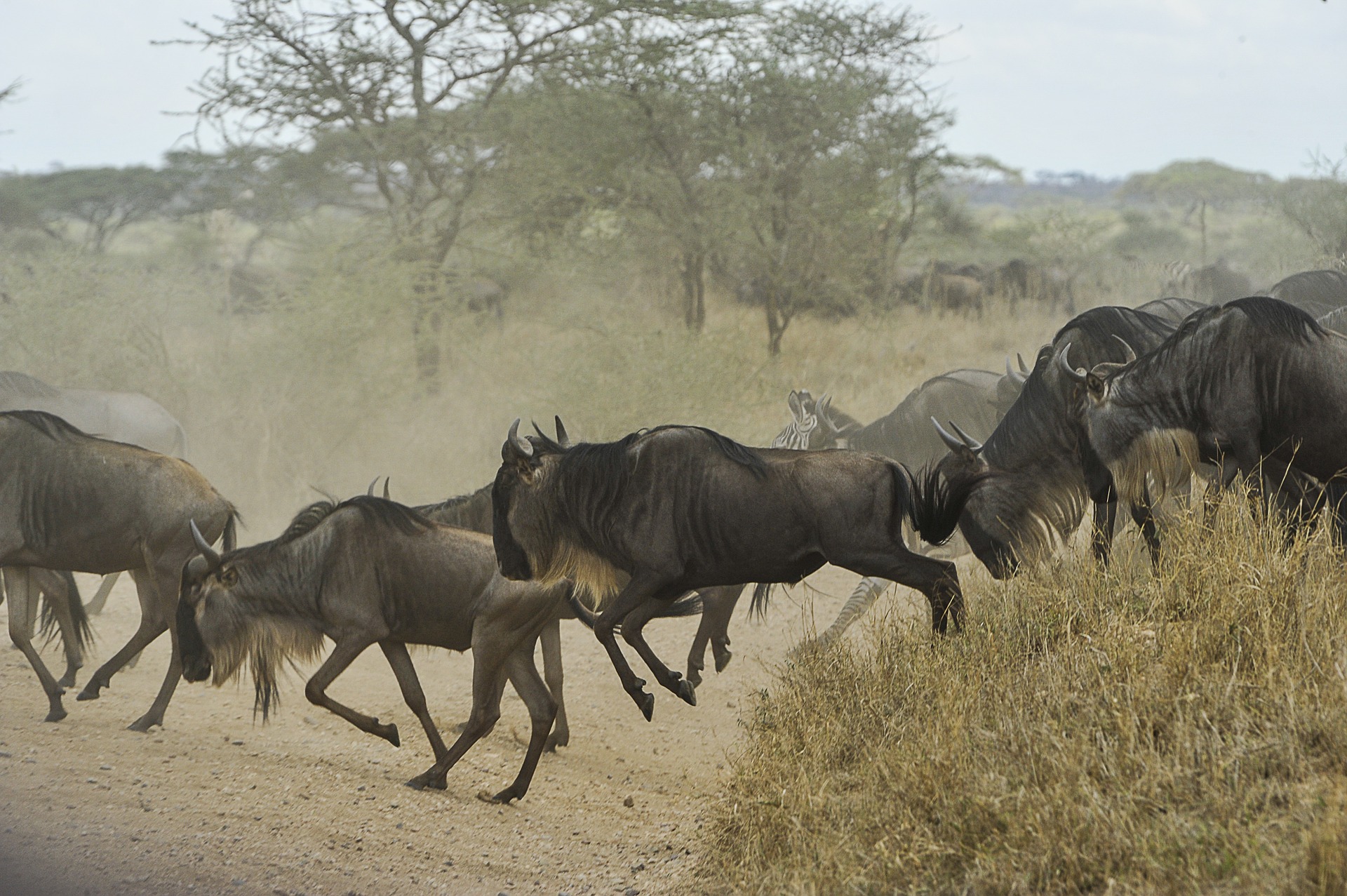
Having spent countless hours watching the endless columns of wildebeest stretch across the African horizon, I can tell you that nothing quite prepares you for the sheer magnitude of the Great Migration. Picture this: over 1.5 million animals moving in an ancient rhythm across two countries, creating what locals call “the greatest show on Earth.” This isn’t just wildlife viewing – it’s witnessing one of the planet’s last remaining natural wonders that has remained virtually unchanged for thousands of years.
The wildebeest migration represents far more than just animals moving across the landscape. It’s a complex ecological phenomenon that supports entire ecosystems, influences weather patterns, and provides the foundation for East Africa’s tourism industry. Whether you’re a first-time safari-goer or a seasoned wildlife enthusiast, understanding this migration will transform how you experience Africa’s wilderness.
What Exactly Is the Wildebeest Migration?
The Great Migration is the largest herd movement of animals on our planet, involving approximately 1.3 to 1.5 million wildebeest accompanied by hundreds of thousands of zebras, gazelles, and other species. These massive herds follow an ancient circular route spanning roughly 800 miles through the Serengeti-Mara ecosystem, crossing between Tanzania and Kenya in an endless search for fresh grazing and water.
What makes this migration truly remarkable is its sheer scale and predictable unpredictability. The herds move in response to rainfall patterns, following age-old instincts that guide them to the best grazing areas throughout the year. During peak movement periods, you can literally see the herds from space – imagine columns of animals so dense that satellite imagery captures their movement across the African plains.
The annual wildebeest migration cycle involves three primary species working in fascinating harmony. Zebras typically lead the way, grazing on the taller, coarser grasses. Wildebeest follow about eight weeks later, feeding on the medium-height vegetation. Finally, Thomson’s gazelles bring up the rear, taking advantage of the short, protein-rich grasses exposed by their larger companions.
The Players in This Epic Drama
Beyond the main migrating species, the Great Migration supports an incredible cast of characters:
- Lions position themselves strategically along migration routes.
- Leopards and cheetahs target vulnerable calves and stragglers.
- Hyenas follow the herds, scavenging and hunting opportunistically.
- Crocodiles wait patiently in rivers for crossing attempts.
- Hundreds of bird species depend on the migration for feeding opportunities.
Where Does the Wildebeest Migration Take Place?
The Serengeti wildebeest migration and Maasai Mara wildebeest migration occur within what scientists call the Greater Serengeti ecosystem – a 40,000-square-mile area that spans two countries. This ecosystem includes several key areas where different phases of the migration unfold throughout the year.
Tanzania: The Southern Foundation
Serengeti National Park serves as the primary stage for the migration, covering approximately 5,700 square miles of diverse landscapes. The southern Serengeti migration centers around the short-grass plains near the Ngorongoro Conservation Area, where the wildebeest calving season occurs every year. These nutrient-rich volcanic soils provide essential minerals that lactating mothers need.
The Western Corridor migration sees herds moving through areas like the Grumeti Reserve, where they encounter their first major river crossing challenge. This region’s woodland-grassland mosaic provides varied habitat that supports different wildlife throughout the year.
Kenya: The Northern Refuge
The Maasai Mara National Reserve in Kenya represents the northern extent of the migration route. Despite being smaller than the Serengeti, the Mara provides crucial dry-season refuge with permanent water sources and nutrient-rich grasslands. The Mara River crossing here has become synonymous with the migration in popular media.
The Circular Route
What fascinates me most about this migration is its clockwise pattern. The herds don’t simply move back and forth – they follow a roughly circular route that maximizes their access to resources throughout the year. This wildebeest migration route takes them from the southern plains, up through the western corridor, into the northern woodlands, and back down the eastern side.
When Is the Best Time to See the Wildebeest Migration?
Here’s where planning gets interesting – the wildebeest migration is a year-round phenomenon, but different spectacular events happen at specific times. I’ve learned that timing your visit depends entirely on what aspect of the migration you most want to witness.
Wildebeest Migration by Month: A Detailed Breakdown
January Wildebeest Migration: The herds spread across the southern Serengeti short-grass plains, taking advantage of the lush vegetation brought by the short rains.
February Wildebeest Migration: This is peak calving season, when over 400,000 calves are born within just a few weeks. The synchronized birthing in the Ndutu plains migration area creates incredible predator action.
March Wildebeest Migration: Calving continues while herds remain scattered across the southern plains, providing excellent game viewing opportunities.
April: As the long rains begin, herds start their northward journey through the Seronera area of central Serengeti.
May: The migration heads north toward the Western Corridor, building up before the first major river crossing.
June: Herds mass in the western corridor, creating dramatic scenes as they prepare for Grumeti River crossing attempts.
July Wildebeest Migration: Some herds cross the Grumeti and head north, while others move directly toward the northern Serengeti migration areas. This is when the first Mara River crossing attempts typically begin.
August Wildebeest Migration: Peak river crossing season at the Mara River, with herds passing between the northern Serengeti and Maasai Mara.
September Wildebeest Migration: Continued river crossings, though activity begins to decrease as more herds establish themselves in the Mara.
October Wildebeest Migration: Herds start their southward journey, though the return is less dramatic and more dispersed.
November-December: The migration moves south through the eastern Serengeti, completing the cycle as the short rains begin.
The Wildebeest Calving Season: New Life on the Plains
If you’ve never witnessed the wildebeest calving season, you’re missing one of nature’s most incredible displays of synchronized reproduction. Every year from January through March, the southern Serengeti and Ndutu plains transform into a massive maternity ward where approximately 500,000 calves are born.
Why the Synchronization Matters
This isn’t random timing – it’s evolutionary genius. By giving birth within a concentrated timeframe, wildebeest mothers employ what scientists call “predator swamping.” When 8,000 calves are born daily across the plains, predators simply cannot take them all. Individual calves have a much better chance of survival when surrounded by thousands of others.
I remember watching a calf take its first wobbly steps just minutes after birth, knowing it would need to keep up with the herd within hours. This rapid development is crucial for survival, as the migration never stops, even for newborns.
Predator Action Calving Season
The calving season brings intense predator action as lions, leopards, cheetahs, and hyenas take advantage of vulnerable newborns. However, this predation plays a crucial role in maintaining ecological balance and ensuring only the fittest survive to continue the migration.
River Crossings: Drama at Its Peak
Nothing quite compares to witnessing a wildebeest river crossing. The combination of thundering hooves, churning water, waiting crocodiles, and sheer determination creates scenes that have captivated wildlife enthusiasts for generations.
Mara River Crossing: The Ultimate Spectacle
The Mara River crossing typically occurs between July and October, though exact timing depends on rainfall patterns and herd movements. These crossings can’t be predicted precisely – sometimes herds wait for days before attempting to cross, other times they may cross multiple times in a single day.
What makes these crossings so dramatic is the gauntlet the wildebeest must run. The river’s steep banks, fast-flowing water, and resident crocodile population create life-and-death scenarios that play out before your eyes. Yet the herds’ survival instinct drives them forward in their eternal search for better grazing.
Grumeti River Crossing: The Western Challenge
Earlier in the migration cycle, herds face the Grumeti River crossing in the Western Corridor. While perhaps less famous than the Mara crossings, these events can be equally spectacular and often less crowded with vehicles.
Crocodile Encounters Migration
The river crossings wouldn’t be complete without their most formidable residents. Nile crocodiles can reach lengths of 20 feet and have perfected the art of patience. They position themselves at traditional crossing points, waiting for the herds to arrive. The resulting interactions represent one of nature’s most primal struggles between predator and prey.
Planning Your Wildebeest Migration Safari
After years of organizing migration safaris, I’ve learned that successful wildlife viewing requires both careful planning and flexible expectations. The migration follows nature’s schedule, not human calendars, so building flexibility into your itinerary is essential.
Best Time to Book Wildebeest Migration
I always recommend booking at least 6-12 months in advance, especially for peak season travel during river crossings. Mobile migration camps and prime lodges fill up quickly, and last-minute availability is rare during popular periods.
Tanzania Safari Wildebeest Migration vs. Kenya Safari Wildebeest Migration
Both countries offer exceptional migration experiences, but with different advantages:
Tanzania provides:
- Serengeti calving safari opportunities.
- Less crowded game viewing.
- Longer migration presence (herds spend 8-10 months in Tanzanian territory).
- Diverse landscapes from short-grass plains to woodland savanna.
Kenya offers:
- Dramatic Mara River crossings.
- Excellent infrastructure and easy access.
- Higher concentration of predators.
- Beautiful acacia woodlands and rolling hills.
Accommodation Options for Every Budget
Luxury Wildebeest Migration Safari: High-end lodges and tented camps offering exceptional service, gourmet dining, and prime locations. Expect to pay $800-2,000+ per person per night.
Budget Wildebeest Migration Safari: More affordable options including camping safaris and mid-range lodges. Costs typically range from $200-600 per person per day.
Mobile Migration Camps: These seasonal camps follow the herds, providing excellent access to migration action. They combine the adventure of camping with comfortable amenities.
Family Wildebeest Migration Safari Considerations
Traveling with children requires special planning:
- Choose shorter game drives for younger children.
- Select family-friendly accommodations with connecting rooms.
- Plan visits during calving season when action is more predictable.
- Consider private vehicles for flexibility with bathroom breaks and snack times.
Understanding Migration Patterns and Ecosystem Dynamics
The wildebeest migration isn’t just a spectacular wildlife show – it’s a keystone ecological process that shapes the entire Serengeti ecosystem. The constant movement of over a million large herbivores creates a natural rotational grazing system that benefits the grasslands and supports countless other species.
The Science Behind the Movement
Recent research has revealed fascinating details about how the migration works. Wildebeest can detect rainfall from over 50 kilometers away, though scientists still don’t fully understand this remarkable ability. Young calves learn the migration routes during their first year, passing this knowledge to future generations through behavioral learning.
Threats to Wildebeest Migration
Despite its ancient origins, the migration faces modern challenges:
- Habitat loss due to expanding agriculture and human settlements.
- Climate change affecting rainfall patterns and grassland productivity.
- Human encroachment blocking traditional migration corridors.
- Increased competition for water resources.
- Disease transmission from domestic livestock.
Conservation of Wildebeest Migration
Protecting this natural wonder requires international cooperation between Tanzania and Kenya, as well as support from local communities. Conservation organizations work to maintain migration corridors, reduce human-wildlife conflict, and promote responsible tourism.
African Wildlife Migration: A Broader Perspective
While the Great Migration rightfully claims fame as the world’s largest land animal migration, it’s part of a broader network of animal movements across Africa. Understanding these connections helps appreciate the migration’s role in continental ecology.
Other Notable Migrations
Zebra migration in Botswana represents another spectacular movement, while various antelope species undertake smaller but equally important seasonal migrations throughout Africa. Each of these movements contributes to ecosystem health and biodiversity conservation.
The Predator-Prey Dynamic
The migration supports an incredible diversity of predators, from the big cats that follow the herds to the scavengers that clean up behind them. This predator-prey relationship has evolved over millions of years, creating a delicate balance that depends on the migration’s continuation.
Practical Tips for Your Migration Experience
What to Pack for Your Safari
- High-quality binoculars for distant viewing.
- Camera with telephoto lens and extra batteries.
- Neutral-colored clothing (avoid bright colors and patterns).
- Sun protection including hats, sunscreen, and sunglasses.
- Layers for varying temperatures throughout the day.
- Comfortable walking shoes and sandals.
- Personal first aid kit and any prescription medications.
Photography Tips
The migration offers incredible photographic opportunities, but success requires preparation:
- Bring multiple memory cards and backup storage.
- Practice with your camera settings before departure.
- Focus on behavior and interaction rather than just individual animals.
- Capture the landscape to show the scale of the migration.
- Be patient – the best shots often require waiting for the right moment.
Responsible Viewing
Responsible tourism wildebeest migration practices help ensure this natural wonder continues for future generations:
- Maintain appropriate distances from wildlife.
- Follow park rules and guide instructions.
- Never interfere with natural behaviors.
- Support local conservation efforts through park fees and responsible operators.
- Choose tour operators committed to sustainable practices.
Frequently Asked Questions About the Wildebeest Migration
“What is the best month to see the wildebeest migration?”
The answer depends on what you want to see. For calving season drama, visit January-March. For river crossings, plan for July-September. For fewer crowds and good wildlife viewing, consider April-June or October-November. Ideally, during the migration, opt for game drives using 4×4 vehicles such as the Toyota Prado, Mazda CX-5, Toyota Land Cruiser, BMW X3 and others. You can also opt for specialised safari vehicles such as the 4×4 Safari Land cruiser or the open roof Tour van.
“How many wildebeest migrate each year?”
Current estimates suggest approximately 1.3-1.5 million wildebeest participate in the annual migration cycle, though numbers fluctuate based on rainfall, predation, and disease factors.
“Is the wildebeest migration dangerous?”
For the animals, absolutely – it’s a constant struggle for survival. For visitors, modern safari practices make viewing very safe when proper precautions are followed and experienced guides are used.
“Can you predict wildebeest migration river crossings?”
While we can predict general timing windows, exact crossing dates remain unpredictable. Wildebeest respond to immediate environmental conditions, weather patterns, and herd dynamics that can change rapidly.
The Conservation Challenge: Protecting Africa’s Greatest Migration
The importance of wildebeest migration extends far beyond tourism revenue. This natural phenomenon supports biodiversity, maintains grassland ecosystems, and provides livelihoods for thousands of people across East Africa. However, mounting pressures threaten its long-term survival.
Climate Change Impacts
Changing rainfall patterns affect grass growth and water availability, potentially disrupting the migration’s timing and routes. Extended droughts or unusual flooding can create bottlenecks that concentrate animals in dangerous situations.
Community-Based Conservation
Successful migration conservation requires working with local communities who share the landscape with wildlife. Programs that provide alternative livelihoods, compensation for wildlife damage, and benefits from tourism create incentives for conservation support.
Planning Your Great Migration Tours: Making It Happen
After reading about this incredible natural phenomenon, you’re probably wondering how to experience it yourself. The good news is that wildebeest migration safaris cater to every budget and travel style, from basic camping adventures to ultra-luxurious tented camps.
Wildebeest Migration Cost Considerations
Budget options ($150-400 per person per day):
- Camping safaris with basic facilities.
- Mid-range lodges with standard amenities.
- Group tours sharing costs across multiple travelers.
Mid-range experiences ($400-800 per person per day):
- Comfortable tented camps with private bathrooms.
- Small group tours with experienced guides.
- Combination packages including multiple parks.
Luxury experiences ($800-2,000+ per person per day):
- Exclusive tented camps with full service.
- Private guides and vehicles.
- Gourmet dining and premium locations.
How Long Is Wildebeest Migration Safari
Most visitors spend 4-7 days focusing on the migration, though longer itineraries allow for multiple parks and better wildlife photography opportunities. I typically recommend at least 5 days to account for animal movement and weather variables.
Conclusion: Why the Wildebeest Migration Matters
Standing on the edge of the Serengeti plains, watching endless columns of wildebeest stretch to the horizon, you understand why this migration has captivated humans for generations. It represents something increasingly rare in our modern world – a natural process operating on its own terms, following rhythms established long before human civilization.
The Great Migration reminds us that we share this planet with incredible species capable of extraordinary journeys. Each year, these animals complete a circuit that tests their endurance, challenges their survival skills, and demonstrates the raw power of natural selection.
But this migration is more than just a tourist attraction – it’s a critical ecosystem process that supports biodiversity, maintains grassland health, and provides economic benefits to local communities. Protecting it requires our continued support through responsible tourism, conservation funding, and international cooperation.
Whether you witness the chaos of river crossings, the tender moments of calving season, or simply the endless movement of herds across ancient landscapes, the wildebeest migration will change how you see the natural world. It’s a reminder that some things remain wild, unpredictable, and magnificent – exactly as they should be.
Your journey to witness this natural wonder starts with a single decision to prioritize experience over comfort, adventure over certainty, and wonder over routine. The Great Migration awaits, just as it has for thousands of years, ready to show you what Earth looked like before we changed it forever.

