
 Get Guardian on Google
Nigeria’s health authorities, international development partners and civil society organisations have renewed their commitment to eradicating NOMA, a devastating but preventable disease that primarily affects vulnerable children, as stakeholders called for stronger preventive healthcare, early diagnosis and improved access to treatment.
The commitment was reaffirmed at the commemoration of World NOMA Day, organised by the NOMA Centre Abuja in partnership with the Federal Ministry of Health and Social Welfare at the Reiz Hotel, Abuja.
The event brought together policymakers, medical experts, development partners and other stakeholders to assess progress in the fight against the disease and strengthen national and international collaboration towards its elimination.
Representing the Federal Ministry of Health and Social Welfare, the Director of Hospital Services, Dr. Adebimpe Adebiyi, delivered a memorial lecture titled A Legacy of Healing and Hope, in which she called for a comprehensive approach that prioritises prevention, early detection and social inclusion.
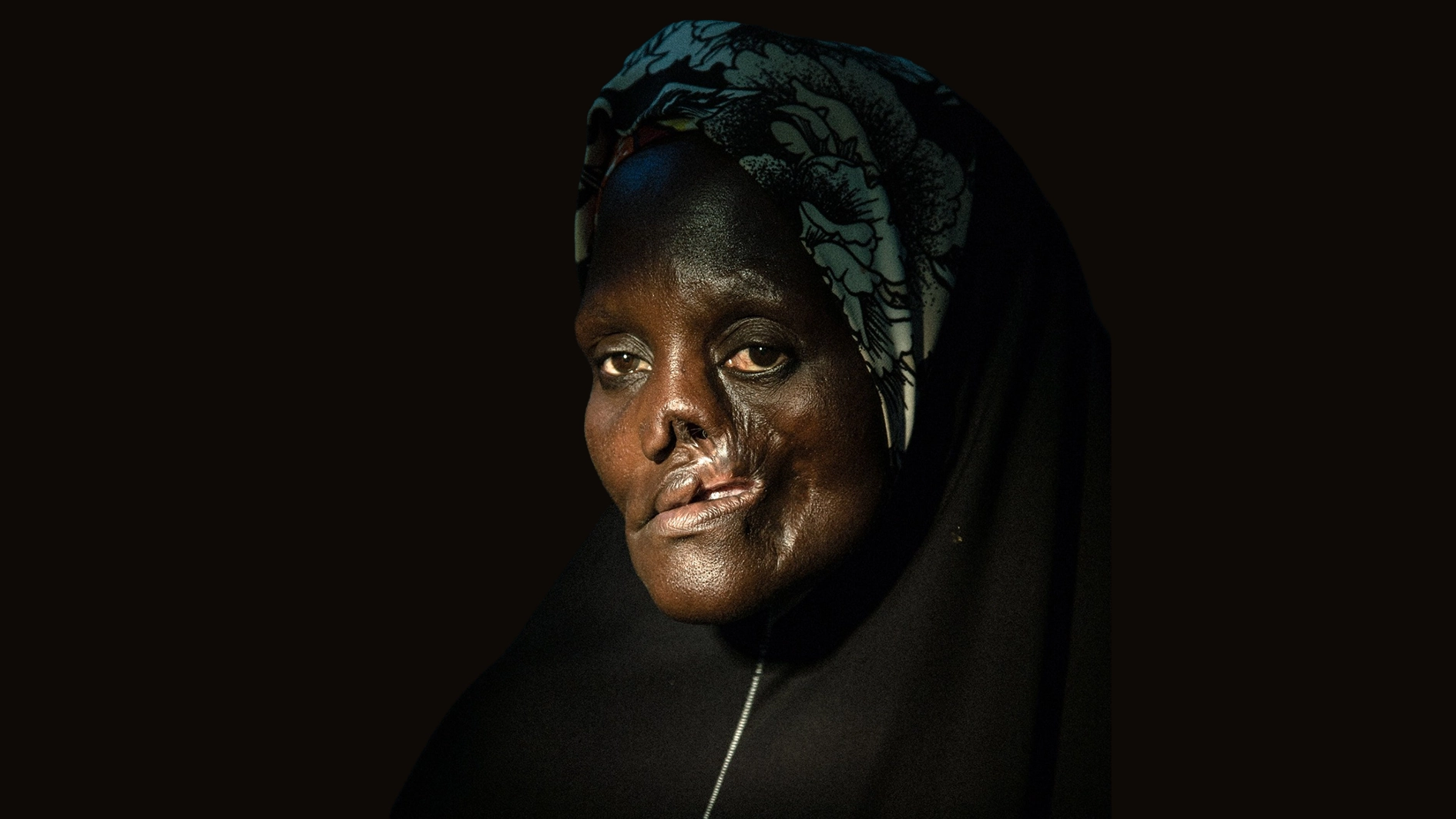
Noma is a severe, rapidly progressing, and often fatal gangrenous disease that destroys the soft tissues and bones of the mouth and face. The name comes from the Greek word nomē, meaning “to devour”
The widely cited WHO benchmark estimates that there are approximately 770,000 noma survivors alive worldwide.

Historically, without immediate medical care, noma has a 90% mortality rate within just a few weeks. This means that out of an estimated 140,000 annual cases, roughly 14,000 to 20,000 children naturally survive the acute infection each year on their own, though they are left with catastrophic facial disfigurements
Noma is a non-contagious, opportunistic bacterial infection that typically starts as a simple gum ulcer (gingivitis) and quickly escalates into tissue necrosis and gangrene, destroying the lips, cheeks, jawbone, and facial structures.
Noma predominantly affects young children aged 2 to 6 years living in extreme poverty, though it can occasionally affect malnourished or immunocompromised individuals of other ages.
In most cases, it occurs in sub-Saharan Africa, as well as parts of Asia and Latin America, linked closely to poverty, malnutrition, poor oral hygiene, and recent childhood illnesses (such as measles or chickenpox).
In terms of mortality and complications, the mortality rate is approximately 90% (often caused by sepsis, pneumonia, or severe malnutrition).
Survivors are left with severe facial disfigurement and functional impairments affecting breathing, eating, speaking, and vision, alongside intense social stigma.
The event brought together policymakers, medical experts, development partners and other stakeholders to assess progress in the fight against the disease and strengthen national and international collaboration towards its elimination.
Adebiyi stressed that the fight against NOMA must extend beyond reconstructive surgery to address underlying factors that expose children to the disease.
She identified adequate nutrition, proper oral hygiene, public awareness, integration of NOMA education into school curricula and the elimination of discrimination against survivors as critical components of an effective response.
She also outlined five priority areas requiring sustained attention to strengthen the country’s response to the disease.
Similarly, the Permanent Secretary of the ministry, Ms. Daju Kachollum, represented by her Technical Adviser, Okara Dogara, pledged the Federal Government’s commitment to strengthening preventive interventions and building the capacity of frontline healthcare workers to ensure early detection and reduce delays in treatment.
Speaking on the activities of the NOMA Centre Abuja, its National Coordinator, Dr. Charles Ononiwu, said the facility had managed 321 patients and successfully conducted 457 complex reconstructive surgeries, including approximately 72 microvascular transfers.
He explained that the centre operates a multidisciplinary healthcare system involving surgeons, plastic surgeons, ear, nose and throat specialists, paediatricians and clinical psychologists to provide comprehensive care for affected patients.
According to him, the facility, established on land provided by the Federal Government with major financial support from the German charity, Hilfsaktion Noma e.V., has also attracted patients from other African countries, including Mozambique and Burundi.
Ononiwu disclosed that the centre performed 208 surgeries in 2026 alone, while maintaining an average monthly patient population of 82.
He emphasised that all treatments, surgical procedures and post-operative care provided by the centre were completely free of charge.
Beyond medical interventions, he said the centre had extended its support to the social and economic needs of affected families through various empowerment initiatives.
He disclosed that 57 severe cases received direct social assistance in 2026, while 132 pupils were enrolled in educational programmes and 143 participants benefited from specialised skills acquisition training.
The centre also provided resources for small businesses to help families overcome poverty, which remains one of the underlying vulnerabilities associated with NOMA.
A major highlight of the event was a tribute to the late Ute Winkler-Stumpf (1943–2020), popularly known as Mama Ute, whose humanitarian contributions were instrumental to the establishment and continued operation of the centre.
Winkler-Stumpf, founder of Hilfsaktion Noma e.V. and a major financial supporter of the NOMA Centre Abuja, devoted decades to advocating for children affected by the disease.
Speakers described the specialised facility at the National Hospital Abuja as a lasting testament to her humanitarian vision and commitment to restoring dignity and hope to affected children.
Also speaking, the Country Director of Médecins Sans Frontières (MSF), also known as Doctors Without Borders, highlighted the organisation’s longstanding partnership with the Federal Ministry of Health and the Sokoto State Ministry of Health in tackling the disease.
He said the collaboration, which began in 2014 at the Sokoto NOMA Children’s Hospital, had facilitated more than 1,759 major reconstructive surgeries for 1,174 patients through 35 surgical missions.
The partnership, he added, had also strengthened local medical capacity through the training of 28 Nigerian surgeons and 14 anaesthetists.
He commended the Federal Government for launching the National Strategic Plan on Oral Health (2026–2031) and incorporating NOMA into disease surveillance platforms, including the Surveillance Outbreak Response Management and Analysis System (SORMAS).
Stakeholders also acknowledged the role of the World Health Organisation (WHO), which officially recognised NOMA as a Neglected Tropical Disease following sustained advocacy led by Nigeria.
The recognition has helped elevate the disease’s profile in global health policy, opened opportunities for increased international funding and strengthened efforts to integrate NOMA prevention and treatment into primary healthcare services.
The President of the Nigerian Dental Association, Dr. Tope Adeyemi, also reaffirmed the association’s commitment to improving oral healthcare delivery and supporting national efforts to prevent and manage the disease.
Medical experts at the event called for increased public awareness, warning that NOMA could cause devastating facial destruction within seven to 10 days if not detected and treated promptly.
They identified mouth pain, bleeding gums, oral ulcers, sudden swelling of the cheeks, high fever and foul-smelling breath as warning signs requiring urgent medical attention, particularly among children aged between two and six years.
The experts explained that the disease was closely associated with malnutrition, poor oral hygiene and weakened immunity, stressing that prevention must begin at household and community levels.
They urged parents and caregivers to ensure that children maintain proper oral hygiene through regular brushing with clean water and fluoride toothpaste, while providing nutritious diets to strengthen their immunity.
They also called on parents and healthcare workers to seek immediate medical attention whenever suspected symptoms emerge, noting that early intervention could prevent severe facial damage, disability and possible death.
Stakeholders further stressed the need to eliminate the stigma and discrimination faced by survivors, insisting that affected children deserve access to education, social support and opportunities to live dignified lives.
They maintained that sustained government commitment, international collaboration, community participation and investment in preventive healthcare remained essential to ending NOMA in Nigeria.