 Get Guardian on Google
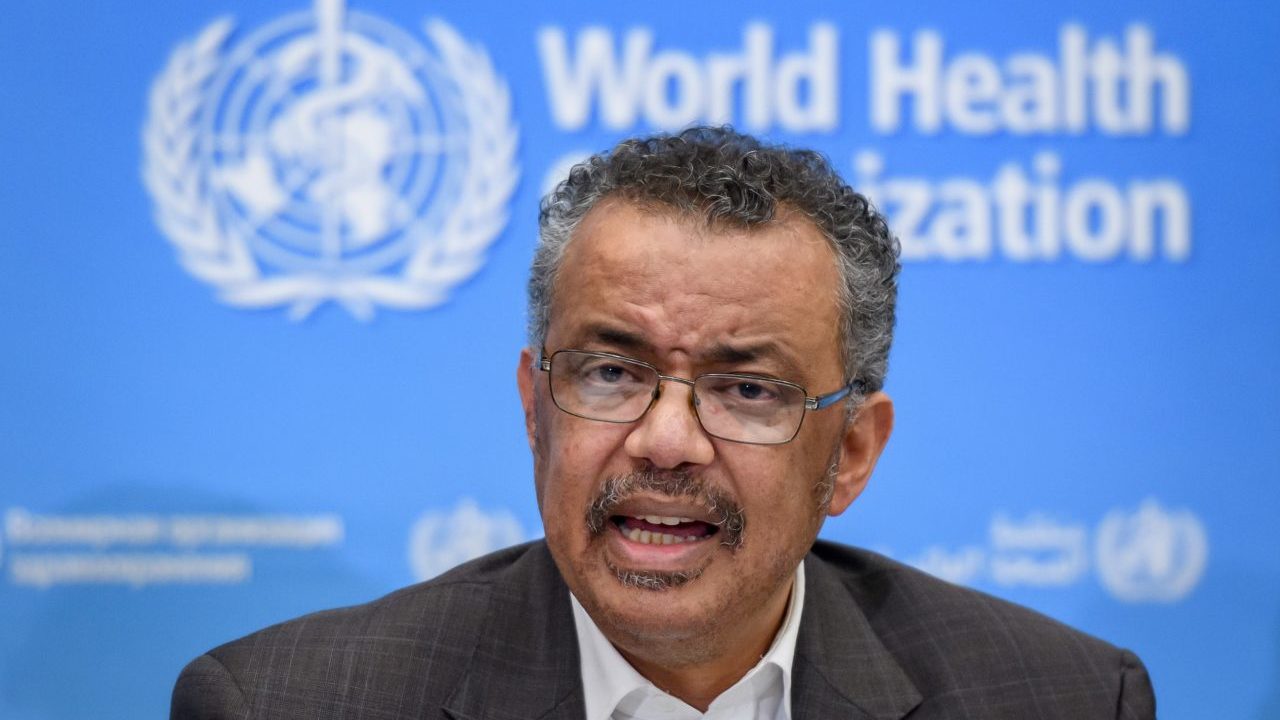
The World Health Organisation (WHO) said on Thursday, for the first time, that it spent nearly 1.4 billion dollars annually on efforts to end Female Genital Mutilation (FGM).
WHO made the announcement as part of activities organised to commemorate the International Day of Zero Tolerance to Female Genital Mutilation, the practice of altering or injuring the female genitalia for non-medical reasons.
The costs of FGM, associated with gynaecological, obstetric, urological, mental and sexual, and the immediate health complications, can make up to 30 per cent of the health budget in some countries.
[ad]
WHO described FGM as a violation of human rights and an extreme form of gender discrimination.
According to the Director of WHO Sexual Health Department, Ian Askew, FGM is not only an abuse of human rights that harms the physical/mental health of millions of girls/women, it is also a drain on a country’s economy.
“More investment is urgently needed to stop FGM and end the suffering it inflicts.
“At least 200 million girls and women alive today, living in 31 countries, have undergone FGM.
“The practice is widespread in some countries in Africa, the Middle East and also Indonesia,” Askew said.
According to estimates by UNICEF, more than 90 per cent of girls in Somalia, Guinea, and Djibouti are victims of FGM.
[ad]