I need to share something with you that represents months of careful research into US-Nigeria relations and years of covering how these two nations navigate their complex partnership. The question of whether Nigeria is friendly to the US cannot be answered with a simple yes or no because the relationship between Africa’s most populous nation and the world’s most powerful country involves layers of cooperation, occasional tension, shared interests, and diverging priorities that shift with each administration.
The diplomatic relations between Nigeria and the United States date back to Nigeria’s independence in 1960, establishing over six decades of partnership that has weathered military dictatorships, democratic transitions, security crises, and economic fluctuations. What I’ve observed throughout my career covering African geopolitics is that this relationship remains fundamentally strong despite periodic disagreements that capture headlines and create temporary strain.
I remember attending a trade conference in Lagos three years ago where American business representatives spoke about Nigeria with genuine enthusiasm. One executive from a healthcare technology firm told me, rather like a football coach describing a talented but undisciplined player, “Nigeria is the most frustrating and most rewarding market we operate in simultaneously.”
That statement captures something essential about how Americans view Nigeria.
Are Nigeria and the US Allies?
Nigeria and the United States maintain what diplomats carefully describe as a “strategic partnership” rather than a formal military alliance like those America has with NATO members or Japan. This distinction matters tremendously because it reflects the nature of Nigerian foreign policy, which has historically prioritised non-alignment and resistance to being perceived as overly dependent on any single global power, whether Western or Eastern.
The relationship functions across multiple dimensions. According to Nigeria’s Embassy in Washington, bilateral trade reached approximately $13 billion in 2024, making Nigeria America’s second-largest trading partner in Africa. American companies maintain substantial investments in Nigeria’s oil and gas sector, telecommunications infrastructure, and increasingly in technology and healthcare. Nigerian professionals contribute significantly to America’s economy, with over 460,000 Nigerian-born individuals living in the United States, many in high-skilled professions including medicine, engineering, and academia.
Security cooperation forms another pillar of the relationship. The United States has provided hundreds of millions of dollars in security assistance to Nigeria over the years, supporting counter-terrorism efforts against Boko Haram and ISWAP in the North East, training programmes for Nigerian military personnel, and intelligence sharing arrangements. However, this cooperation has experienced friction over human rights concerns, with the US periodically restricting certain military sales to Nigeria over allegations of civilian casualties and military misconduct.
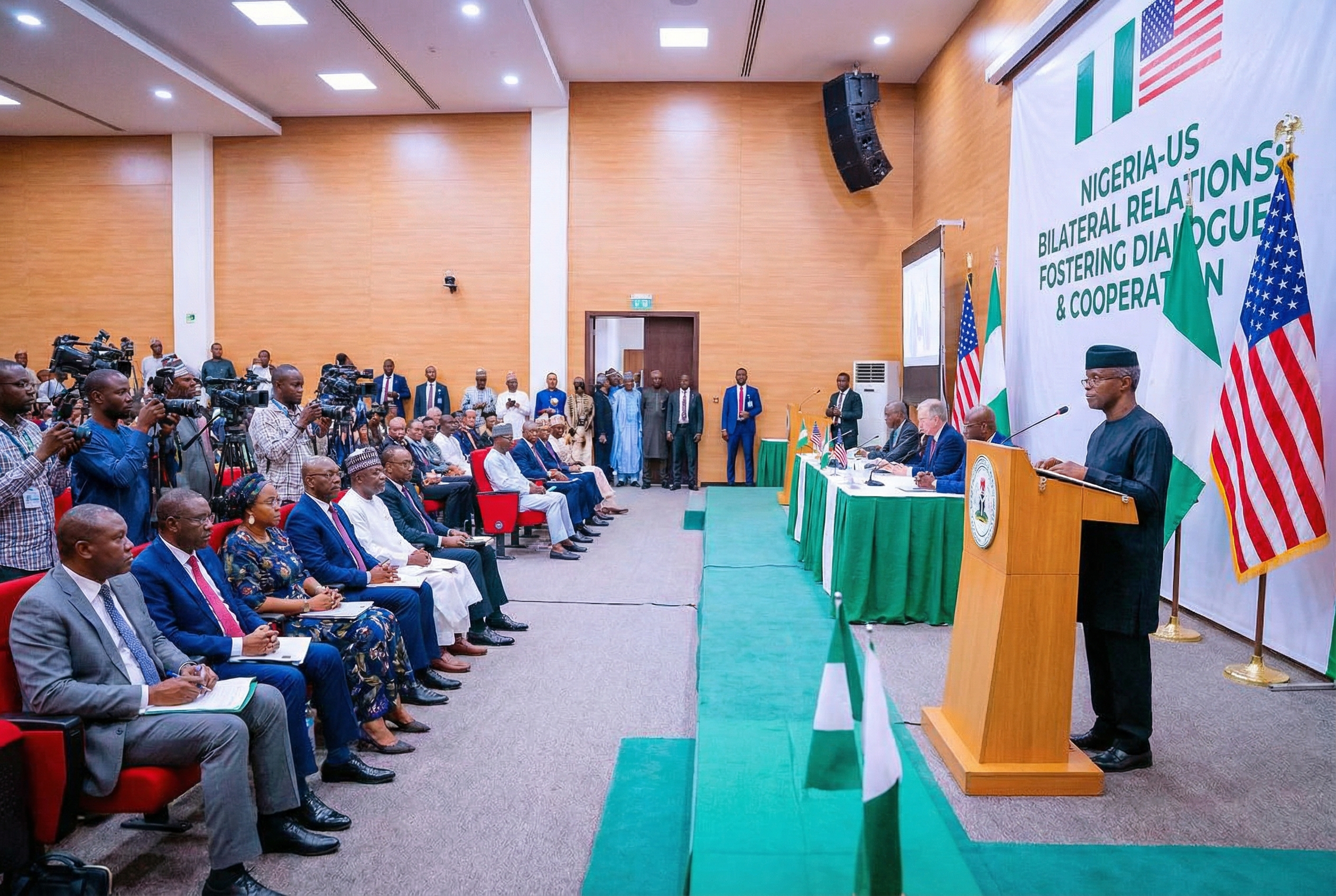
The Voice of Nigeria recently highlighted that both countries opened fresh diplomatic channels in 2025, with energy, legal migration, security, and trade topping the agenda during high-level virtual meetings. What struck me about this development was the emphasis on continuous dialogue, suggesting that both governments recognise the relationship requires constant maintenance rather than operating on autopilot.
Cultural and educational ties bind the two countries as well. Nigeria sends more students to American colleges and universities than any other African nation, with over 8,800 education and exchange programme alumni from Nigeria and the United States creating lasting people-to-people connections. I’ve met dozens of these alumni over the years, and they consistently describe how their American education shaped their worldview whilst simultaneously deepening their appreciation for Nigerian culture and potential.
What complicates the “ally” designation is Nigeria’s commitment to maintaining relationships with multiple global powers. Nigeria cultivates partnerships with China, Russia, European nations, and other African countries, carefully balancing these relationships to maximise Nigeria’s leverage and policy autonomy. This multi-alignment strategy sometimes frustrates American policymakers who prefer clear-cut partnerships, but it reflects Nigeria’s determination to chart an independent course in global affairs.
Which Country is Friendly to Nigerians?
When discussing countries friendly to Nigerians, we need to distinguish between government-to-government relations and how ordinary Nigerian citizens experience treatment in various countries. These often diverge significantly, with official friendship not always translating into warm reception for Nigerian travellers, workers, or immigrants.
Within Africa, Ghana consistently ranks among the most welcoming countries for Nigerians. The historical and cultural ties between the two nations, combined with Ghana’s Year of Return initiative that encouraged diaspora Africans to relocate, have created a relatively hospitable environment for Nigerian entrepreneurs, professionals, and retirees. However, even this relationship experiences periodic strain, particularly around trade protectionism when Ghanaian traders complain about Nigerian business dominance in certain sectors.
South Africa presents a contradictory picture. Officially, the two countries maintain cordial diplomatic relations as Africa’s largest economies. Practically, Nigerian residents in South Africa have faced xenophobic violence during periodic outbreaks of anti-foreigner sentiment, creating a climate of uncertainty despite the substantial Nigerian community successfully operating businesses throughout South African cities.
The United Kingdom, Nigeria’s former colonial power, hosts one of the largest Nigerian diaspora communities globally, with over 215,000 Nigerian-born residents. The shared language, legal system heritage, and educational connections create a familiar environment for Nigerians. Yet visa restrictions, immigration enforcement, and occasional racial tensions complicate this relationship. Many Nigerians I’ve interviewed describe feeling simultaneously at home and unwelcome in Britain, appreciating the opportunities whilst resenting the bureaucratic obstacles and subtle discrimination they encounter.
The United States, to answer the original question directly, demonstrates a mixed record of friendliness towards Nigerian individuals. On one hand, Nigerian Americans represent one of the most educated and economically successful immigrant groups in America, with median household incomes exceeding the national average. American universities actively recruit Nigerian students, recognising their academic preparation and cultural contributions.
On the other hand, Nigerian travellers frequently report facing additional scrutiny at American borders, lengthy visa application processes, and occasional discrimination linked to negative stereotypes about Nigeria propagated through spam emails and media misrepresentation. A Nigerian software engineer friend once told me, with visible frustration, “My American colleagues treat me with respect until we travel together internationally, and then they see how differently immigration officials treat me.”
Canada and the United Arab Emirates have emerged as increasingly popular destinations for Nigerian professionals seeking opportunities abroad. Canada’s immigration system, whilst stringent, operates with transparent criteria that many Nigerians find more navigable than American or British systems. The UAE, particularly Dubai, has attracted Nigerian entrepreneurs and traders who appreciate the business-friendly environment and relatively straightforward visa procedures.
I find it worth noting that “friendliness” often correlates with economic opportunity rather than genuine warmth. Nigerians migrate to countries where they can build better lives, even when facing social challenges, because economic advancement takes precedence. This pragmatic approach explains why Nigerians maintain presence in countries with mixed records on immigrant treatment.
Understanding US-Nigeria Relations: A 7-Step Guide
Let me walk you through how to properly understand the complex relationship between these two nations, based on frameworks I’ve developed over years of analysis:
- Examine Economic Interdependence First: Start by recognising that Nigeria supplies oil to American markets whilst importing American products, technology, and services, creating mutual economic stakes that transcend political disagreements. This economic foundation provides ballast during diplomatic storms, ensuring that neither side completely abandons the relationship even during periods of tension. Trade statistics reveal concrete interests that often matter more than official statements.
- Understand Historical Context: Nigeria’s experience with colonialism shapes its approach to all Western relationships, including with America. Nigerians deeply value sovereignty and resist anything perceived as foreign interference, which Americans sometimes misinterpret as hostility when it’s actually self-determination. This historical sensitivity explains why certain American policy positions trigger stronger reactions in Nigeria than Americans might expect.
- Recognise Competing Priorities: What America considers urgent (such as human rights concerns or democratic reforms) may rank lower for Nigerian leaders focused on immediate security threats or economic crises. This priority mismatch creates friction that doesn’t necessarily indicate hostility but rather different assessments of what matters most urgently. Understanding these divergent priorities helps explain diplomatic disagreements without assuming bad faith.
- Track Diaspora Influence: The substantial Nigerian community in America serves as a bridge between both nations, advocating for Nigerian interests, sending remittances home, and fostering cultural understanding. However, diaspora politics can also complicate official relations when diaspora groups lobby for policies at odds with Nigerian government positions. This diaspora dimension adds complexity beyond government-to-government relations.
- Monitor Security Cooperation Cycles: US-Nigeria security partnership follows cycles of expansion and contraction based on human rights assessments, congressional oversight, and changing threat evaluations. During my research, I’ve noticed that security cooperation intensifies when immediate threats emerge but contracts when human rights concerns arise, creating an oscillating pattern rather than steady progress. Understanding this cyclical nature prevents overreaction to temporary downturns.
- Evaluate Leadership Chemistry: Personal relationships between presidents matter significantly in US-Nigeria relations. President Buhari’s relationship with President Trump differed markedly from his interactions with President Biden, and these personal dynamics influenced policy outcomes. When leaders establish rapport, cooperation expands; when chemistry falters, bureaucratic obstacles multiply. This leadership variable introduces unpredictability that transcends institutional relationships.
- Consider Multipolarity’s Impact: Nigeria increasingly operates in a multipolar world where it can seek alternative partners if American engagement proves unsatisfactory. China’s growing presence in African infrastructure investment and Russia’s security equipment sales provide Nigeria with options that didn’t exist during the Cold War. This multipolarity strengthens Nigeria’s negotiating position but also introduces complexity as competing powers vie for influence.
Key Bilateral Cooperation Metrics
| Cooperation Area | Annual Value/Volume | Nigerian Benefit | American Benefit |
|---|---|---|---|
| Bilateral Trade | $13 billion (2024) | Market access for oil exports, manufactured goods imports | Nigerian oil supplies, emerging consumer market |
| Security Assistance | $450 million (2020) | Counter-terrorism training, military equipment | Regional stability, intelligence sharing |
| Educational Exchange | 8,800+ alumni | Access to American higher education, skills transfer | International student revenue, cultural diplomacy |
| Foreign Direct Investment | $5.7 billion (cumulative) | Technology transfer, employment creation | Market access, resource extraction |
| Diaspora Remittances | $20+ billion annually | Family support, foreign exchange earnings | Money transfer service fees, cultural ties |
| Development Aid | $500+ million annually | Health programmes, agricultural development | Soft power, poverty reduction |
This table, compiled from official embassy statistics and bilateral reports, demonstrates that cooperation spans multiple dimensions beyond simple friendship or hostility. The relationship delivers tangible benefits to both sides, creating mutual stakes in maintaining functional ties.
What strikes me about these numbers is their scale. When billions of dollars and thousands of people connect two nations, the relationship transcends simple categorisations like “friendly” or “unfriendly” and becomes something more complex and resilient.
Does the USA Accept Nigerians?
The question of whether America “accepts” Nigerians operates on multiple levels, official immigration policy, social integration, economic opportunity, and cultural reception, with different answers depending on which level we examine.
Officially, yes, America accepts Nigerians through various immigration pathways. Over 100,000 Nigerians visit the United States annually for business, tourism, education, and family visits, according to statistics from Nigeria’s embassy in Washington. The United States issues thousands of immigrant visas to Nigerians each year through family reunification programmes, employment-based immigration, and the diversity visa lottery (when Nigeria hasn’t been excluded due to overstay concerns).
Nigerian students receive approximately 12,000 to 14,000 study visas annually, making Nigeria one of the top African sources of international students to America. American universities actively recruit Nigerian students, recognising their strong academic preparation and ability to contribute full tuition fees. I’ve visited several American university campuses and consistently encountered thriving Nigerian student associations that enrich campus diversity.
However, “acceptance” involves more than visa statistics. Nigerian travellers frequently report facing stringent scrutiny during visa applications, with rejection rates higher than many comparable countries. The application process requires extensive documentation, interviews that some describe as adversarial, and waiting periods that can extend for months. One Lagos-based business owner told me she had been denied a US visa three times despite having substantial assets and no intention to overstay, a frustration I’ve heard echoed by dozens of Nigerians over the years.
At American borders, Nigerian passport holders experience variable treatment. Some report smooth entry experiences, whilst others describe additional questioning, secondary screening, and occasionally hostile treatment from immigration officials. A Nigerian software engineer shared with me that customs officers once questioned him for 45 minutes about his job, appearing sceptical that an African could legitimately work in advanced technology roles, an experience that left him feeling humiliated despite possessing proper documentation.
Once in America, acceptance takes different forms depending on location and community. In major metropolitan areas with established Nigerian populations like Houston, Atlanta, New York, and Washington DC, Nigerian immigrants find supportive diaspora networks, Nigerian churches, cultural associations, and business communities that ease integration. These communities provide social support, business connections, and cultural continuity that help Nigerians thrive.
In areas with smaller Nigerian populations, acceptance depends heavily on individual experiences with racism, cultural misunderstanding, and economic opportunity. Nigerian professionals consistently report that their education and skills earn them respect in professional settings, but they still encounter racial prejudice in social contexts, housing markets, and interactions with law enforcement.
The economic dimension reveals perhaps the clearest form of acceptance. Nigerian Americans demonstrate remarkable success across various fields. In medicine, thousands of Nigerian-born doctors practise in American hospitals, addressing physician shortages particularly in underserved areas. In technology, Nigerian software engineers work at major companies including Google, Microsoft, and Amazon. In academia, Nigerian professors teach at prestigious universities whilst Nigerian students win scholarships and academic awards.
This economic success creates a paradox. America clearly benefits from Nigerian talent, actively recruiting skilled Nigerians and integrating them into key sectors. Yet the immigration system treats Nigerian applicants with suspicion, visa rejection rates remain high, and social acceptance lags behind economic integration.
Guardian Nigeria recently reported that Presidential Spokesman Sunday Dare described Nigeria’s relationship with the US as “treasured, warm and robust,” requiring further strengthening in both nations’ interests. This official optimism contrasts with the mixed experiences ordinary Nigerians report when seeking American visas or navigating American society.
The cultural dimension adds another layer. American popular culture increasingly embraces Nigerian music (Afrobeats), film (Nollywood), fashion (Ankara prints), and cuisine (jollof rice), suggesting cultural acceptance growing faster than immigration policy reform. Young Americans consume Nigerian creative content without necessarily connecting it to attitudes towards Nigerian immigrants, creating a disconnect between cultural appreciation and human acceptance.
I find it useful to think of American “acceptance” of Nigerians as operating along a spectrum rather than as a binary yes/no proposition. At the high end, exceptionally qualified Nigerians with advanced degrees, professional achievements, and significant resources receive warm welcomes and integrate successfully. At the low end, Nigerians seeking temporary visits or lacking prestigious credentials face substantial obstacles and occasional hostility. Most Nigerians’ experiences fall somewhere between these extremes, encountering both opportunities and challenges as they navigate American systems and society.
Who is Nigeria’s Biggest Rival?
Nigeria’s position as Africa’s most populous nation and largest economy inevitably creates rivalries, but the nature of these rivalries differs significantly from traditional great power competition. Nigerian rivalries operate more through economic competition, regional leadership contests, and cultural pride than through military confrontation or ideological opposition.
South Africa represents Nigeria’s primary economic and diplomatic rival within Africa. Both nations compete for the title of Africa’s leading economy (a designation that shifts depending on currency valuations and GDP calculation methods), African Union leadership positions, and international recognition as the continent’s voice. This rivalry manifests in competing bids to host major events, negotiations over regional trade agreements, and subtle diplomatic manoeuvring over which country should represent African interests in global forums like the G20 or United Nations Security Council.
The Nigeria-South Africa rivalry carries cultural dimensions as well. Nigerians and South Africans engage in spirited debates about whose music, film industry, and creative output better represents African excellence. The #JollofWars between Nigeria and Ghana occasionally expand into broader regional competitions that include South African participation. These cultural rivalries, whilst seemingly lighthearted, reflect deeper questions about African identity and continental leadership in the post-colonial era.
However, I’d argue that Nigeria’s relationship with South Africa doesn’t constitute true rivalry in the geopolitical sense. Both countries recognise that African advancement requires cooperation rather than confrontation. They collaborate on peacekeeping operations, coordinate positions in multilateral forums, and maintain substantial trade relationships despite periodic xenophobic violence against Nigerian traders in South Africa creating diplomatic tensions.
Ghana presents a different type of competitive relationship, simultaneously collaborative and contentious. The West African neighbours share cultural and historical ties whilst competing vigorously in trade, investment attraction, and regional influence. Ghana’s relative stability, stronger institutions, and more business-friendly reputation have attracted investments that might otherwise have gone to Nigeria, creating economic competition that sometimes spills into diplomatic friction. Yet the two nations also cooperate extensively through ECOWAS (Economic Community of West African States) and maintain generally positive relations punctuated by occasional trade disputes.
Within Nigeria’s immediate neighbourhood, Cameroon has been involved in territorial disputes with Nigeria, most notably over the oil-rich Bakassi Peninsula. This dispute led to International Court of Justice arbitration and eventual Nigerian withdrawal from the territory, demonstrating that Nigeria accepts international legal frameworks even when they produce unfavourable outcomes. The Cameroon relationship shows rivalry contained within diplomatic and legal channels rather than escalating to sustained conflict.
Outside Africa, Nigeria doesn’t maintain traditional rivalries with global powers in the way that, for instance, India and Pakistan maintain intense rivalry or how China and the United States engage in great power competition. Nigeria’s foreign policy emphasises non-alignment and partnership diversification rather than opposing specific nations. Even when Nigeria disagrees sharply with Western countries over policy issues, these disagreements rarely evolve into sustained rivalry.
Perhaps most accurately, Nigeria’s biggest rival is internal, its own challenges of corruption, insecurity, infrastructure deficits, and governance failures that prevent the nation from achieving its enormous potential. I’ve observed that Nigerian leaders and citizens frequently express frustration not primarily about external threats but about self-inflicted obstacles that hold the nation back. This internal struggle to realise Nigeria’s promise arguably constitutes the most significant competition facing the nation, a rivalry with its own unrealised possibilities.
Is Nigeria Safe for US Tourists?
The question of Nigeria’s safety for American tourists requires nuanced analysis rather than simple yes-or-no answers, as security conditions vary dramatically across Nigeria’s 36 states and different regions present entirely different risk profiles. What remains safe for tourists in Lagos might be extraordinarily dangerous in Borno State, and generalisations about Nigeria’s safety inevitably mislead by treating the country as uniform when it’s remarkably diverse in security conditions.
Let me be direct about the serious security concerns. The US State Department maintains a Level 3 travel advisory for Nigeria (Reconsider Travel) with Level 4 designations (Do Not Travel) for specific states including Borno, Yobe, Adamawa, Gombe, Kaduna, Kano, Katsina, Sokoto, and Zamfara. These advisories reflect genuine threats, terrorism in the North East from Boko Haram and ISWAP, kidnapping and banditry in the North West, armed robbery on highways, and civil unrest in various locations.
The Radio Nigeria government broadcaster reported on recent diplomatic tensions following President Trump’s designation of Nigeria as a “Country of Particular Concern” over religious freedom issues, which included threats of potential military intervention. Such high-level diplomatic friction, whilst not directly threatening tourists, contributes to perceptions of Nigeria as unstable and potentially dangerous.
American tourists have been kidnapped in Nigeria, though such incidents remain relatively rare and primarily occur in high-risk areas that tourists should avoid entirely. The 2019 kidnapping of American citizens in the Niger Delta and periodic abductions of expatriate oil workers demonstrate that Americans can become targets, particularly when travelling outside major cities without appropriate security precautions.
However, this picture of danger requires substantial qualification. Lagos, Nigeria’s commercial capital and most likely destination for American visitors, operates with security conditions dramatically different from conflict zones in the North East. I’ve spent considerable time in Lagos and can report that millions of Nigerians conduct daily life, business, social activities, and tourism within Lagos with manageable risk levels similar to major cities worldwide. Lagos faces urban crime challenges (armed robbery, theft, fraud) but not the terrorism or insurgency affecting northern regions.
Abuja, the federal capital, maintains relatively strong security given its status as the seat of government. International organisations, embassies, and multinational corporations base operations in Abuja, demonstrating that professional risk assessments conclude the city offers acceptable security for ongoing operations. American diplomats and their families live in Abuja, suggesting that even the cautious US government considers the capital sufficiently safe for extended presence with appropriate precautions.
Port Harcourt, Calabar, and southern cities generally operate with security situations that permit tourism, though visitors should exercise vigilance and avoid travelling at night or to isolated areas. These cities host regular business travel, oil industry operations, and even some leisure tourism, indicating that Americans can visit safely when following security guidance.
Guardian Nigeria coverage of deepening US-Nigeria ties demonstrates that American officials maintain active engagement in Nigeria, including consular staff operating in Lagos who regularly interact with Nigerian communities. This continued presence suggests professional security assessments support American operations in Nigeria’s major cities despite the elevated travel advisory.
What specific precautions should American tourists take if they choose to visit Nigeria? Based on security advice I’ve compiled over years:
First, avoid high-risk areas entirely. Americans have no legitimate tourism reason to visit Borno State or the North West kidnapping zones, and attempting such travel demonstrates dangerous recklessness rather than adventurous spirit. Stick to major cities where security infrastructure exists and risk levels remain manageable.
Second, arrange secure transportation rather than using random taxis or public transport. Reputable hotels can arrange airport pickups and city transport that significantly reduce kidnapping and robbery risks. The additional cost (perhaps ₦50,000 to ₦100,000 for a day’s secure transportation versus ₦5,000 for risky alternatives) buys substantial safety improvements.
Third, maintain low profiles and avoid displaying wealth. Americans wearing expensive jewellery, carrying latest-model smartphones conspicuously, or flashing cash mark themselves as lucrative targets. Dressing modestly and keeping valuables secured reduces attraction for opportunistic criminals.
Fourth, register with the US Embassy through the Smart Traveler Enrollment Program (STEP), which enables the embassy to contact Americans during emergencies and provides security updates. This simple administrative step could prove invaluable during crises.
Fifth, purchase comprehensive travel insurance that covers emergency evacuation, as medical facilities in Nigeria vary dramatically in quality and Americans requiring serious medical care might need evacuation to facilities in Europe or America, costing hundreds of thousands of dollars without insurance coverage.
I’ve noticed that Americans visiting Nigeria for business, to visit Nigerian family members, or for cultural events generally navigate the country successfully by following these precautions and seeking guidance from local contacts who understand current security conditions. Tourism for tourism’s sake (visiting beaches, historical sites, or natural attractions) remains uncommon for Americans in Nigeria, not because such tourism is impossible but because the security precautions required and the bureaucratic hassles of visa acquisition discourage casual visitors.
Comparing Nigeria to other destinations provides perspective. Nigeria is certainly less safe than European tourist destinations or even many Latin American countries that host millions of American tourists annually. However, Nigeria may be no more dangerous than some parts of Mexico, Colombia, or Kenya that Americans do visit when exercising appropriate caution. The key difference is that Nigeria lacks the tourist infrastructure that makes visiting those places easier and that most Americans lack compelling reasons to visit Nigeria as tourists given visa difficulties and limited tourist promotion.
For Americans with genuine reasons to visit Nigeria (business, family connections, academic research, cultural exchange), the answer is that Nigeria can be visited safely with proper precautions focused on major cities and avoiding high-risk regions. For Americans seeking beach holidays or safari adventures, alternative African destinations offer better combinations of safety, ease of access, and tourist amenities.
Is Nigeria Friendly to the US? Direct Answer
Yes, Nigeria remains fundamentally friendly to the United States despite periodic tensions, policy disagreements, and security concerns that create friction in the bilateral relationship. This friendliness manifests through sustained diplomatic engagement, substantial bilateral trade approaching $13 billion annually, security cooperation including counter-terrorism partnership, educational exchanges involving thousands of Nigerian students at American universities, and people-to-people connections through the 460,000-strong Nigerian diaspora in America. However, this friendliness operates within boundaries of Nigerian sovereignty and non-alignment, meaning Nigeria maintains relationships with multiple global powers including China and Russia, sometimes frustrating American policymakers who prefer exclusive partnerships.
The relationship between Nigeria and America exemplifies what international relations scholars call a “complex interdependence” rather than simple friendship. Both nations need each other: America requires Nigerian oil exports, values Nigeria’s role in African peacekeeping, and benefits from Nigerian professional talent immigrating to fill critical workforce gaps, whilst Nigeria seeks American investment, security assistance, technology transfer, and diplomatic support on the global stage. This mutual need creates stability that survives periodic disagreements over issues like human rights, democracy, and security policies.
Nigerian leaders consistently describe the US relationship in positive terms. Voice of Nigeria reported that diplomatic channels have proven effective in addressing recent tensions, with Minister of Information Mohammed Idris confirming that “channels of communication have been opened” and that American authorities are “understanding the situation better.” This diplomatic engagement demonstrates both nations’ commitment to maintaining functional relations even during difficult periods.
Moving Forward: Nigeria’s International Relations Strategy
Nigeria’s relationship with America forms just one component of a broader foreign policy strategy emphasising African leadership, South-South cooperation, and strategic non-alignment. As someone who has tracked Nigerian foreign policy evolution over decades, I’ve observed Nigeria gradually asserting more independent positions whilst maintaining cooperative relationships with traditional Western partners.
This evolution reflects Nigeria’s growing confidence as a regional power and demographic giant. With over 230 million people, Africa’s largest economy, and substantial natural resources, Nigeria possesses leverage that smaller nations lack. Nigerian policymakers increasingly recognise this leverage and use it to negotiate partnerships that respect Nigerian sovereignty rather than accepting subordinate relationships.
The multi-alignment strategy serves Nigeria’s interests by creating options. When American policy proves unacceptable, Nigeria can explore Chinese or European alternatives. When one sector (such as military cooperation) experiences friction, others (like trade and education) can continue functioning. This flexibility prevents Nigeria from becoming overly dependent on any single partner, protecting national autonomy whilst maximising benefits from multiple relationships.
For ordinary Nigerians, the US relationship matters primarily for practical reasons rather than emotional attachment or ideological affinity. Nigerians want visa access for family visits, business travel, and educational opportunities. They want American investment creating jobs and technology transfer improving services. They want security cooperation that actually enhances safety rather than creating surveillance concerns. When America delivers these practical benefits, Nigerians view the relationship positively; when bureaucratic obstacles and policy failures obstruct these benefits, frustration grows.
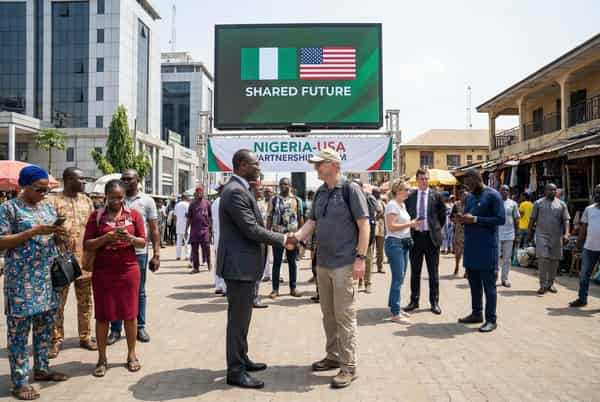
Guardian Nigeria’s reporting on commercial partnerships demonstrates active efforts to deepen economic ties, with the United States-Nigeria Commercial and Investment Partnership targeting agriculture, digital economy, and infrastructure sectors. These concrete initiatives matter more for relationship sustainability than diplomatic rhetoric, as they deliver tangible improvements in Nigerian lives.
Looking ahead, I expect the US-Nigeria relationship to remain friendly but occasionally turbulent, characterised by cooperation on shared interests, disagreement on divergent priorities, and continuous negotiation over the terms of partnership. Neither nation will abandon the relationship because mutual stakes remain too substantial, but neither will accept the other’s preferred terms unconditionally because both possess sufficient leverage to resist unilateral dictation.
Related Perspectives on Nigeria’s International Position
Understanding Nigeria’s relationship with America requires context about Nigeria’s broader international engagement and internal development. Throughout my years covering Nigerian affairs, I’ve consistently emphasised that external relationships alone cannot transform Nigeria without concurrent internal reforms addressing governance, security, and economic challenges.
In my previous analysis of what Nigerians are known for, I explored how Nigeria’s international reputation shapes diplomatic relationships and how stereotypes affect Nigerian citizens navigating global spaces. The persistent association of Nigeria with fraud, corruption, and instability creates obstacles for Nigerian diplomats seeking partnerships and Nigerian travellers seeking visas, demonstrating that reputation management constitutes a genuine foreign policy challenge requiring sustained attention.
Similarly, my examination of Nigeria’s ongoing crisis revealed how internal security challenges affect international relationships, with Nigeria’s inability to control vast territories undermining confidence in the nation’s stability. When Boko Haram launches attacks or bandits kidnap hundreds of citizens, international partners question Nigeria’s capacity to function as a reliable regional power, affecting the terms of partnership they’re willing to offer. Security failures don’t just harm Nigerians domestically; they reverberate through Nigeria’s international standing and constrain diplomatic options.
These internal challenges explain why Nigeria’s relationship with America sometimes feels frustratingly limited despite decades of engagement. America offers partnership, but Nigerian governance deficits prevent optimal utilisation of these opportunities. Billions in security assistance haven’t defeated insurgency because structural problems in Nigerian security institutions limit effectiveness. Trade partnerships underperform because infrastructure deficits and regulatory obstacles discourage American investment. Educational exchanges send talented Nigerians to American universities, but weak domestic institutions fail to capitalise on skills these graduates acquire, encouraging brain drain rather than national development.
Key Takeaways
- Nigeria maintains fundamentally friendly relations with the US through $13 billion annual trade, security cooperation, and 460,000-strong diaspora connections, though friendship operates within boundaries respecting Nigerian sovereignty and non-alignment principles.
- While America officially accepts Nigerians through various visa programmes, Nigerian travellers face higher scrutiny, longer processing times, and occasional discrimination despite Nigerian Americans achieving remarkable economic success across medical, technology, and academic sectors.
- Nigeria’s safety for American tourists varies dramatically by region, with major cities like Lagos and Abuja offering manageable security when following precautions, whilst conflict zones in the North East and North West remain genuinely dangerous and should be avoided entirely by visitors.
Frequently Asked Questions About US-Nigeria Relations
Is Nigeria friendly to the US?
Yes, Nigeria maintains friendly relations with the United States through diplomatic engagement, substantial bilateral trade, security cooperation, and people-to-people connections despite occasional policy disagreements. The relationship has survived military dictatorships, democratic transitions, and multiple changes in leadership in both countries, demonstrating resilience built on mutual interests including Nigerian oil exports to America, American investment in Nigerian infrastructure, security partnership against terrorism, and educational exchanges that benefit both nations. However, Nigerian foreign policy emphasises non-alignment rather than exclusive Western partnership, meaning Nigeria also cultivates relationships with China, Russia, and other powers, which sometimes creates friction with American policymakers preferring closer alignment.
Does the USA accept Nigerians?
The United States accepts over 100,000 Nigerian visitors annually through tourist, business, and student visas, making Nigeria one of the largest African sources of travellers to America. However, Nigerian applicants face higher visa rejection rates, more intensive scrutiny, and longer processing times compared to many comparable nations, whilst Nigerian passport holders often experience additional screening at American borders despite no statistical evidence suggesting Nigerians pose greater security risks than other nationalities. Once in America, Nigerians demonstrate remarkable success, with Nigerian Americans achieving higher median incomes and education levels than the general US population, particularly excelling in medicine, engineering, technology, and academia.
Which country is friendly to Nigerians?
Ghana ranks among the most welcoming African nations for Nigerians due to historical ties, cultural similarities, and initiatives like the Year of Return encouraging diaspora settlement, though periodic trade tensions create friction. The United Kingdom hosts over 215,000 Nigerian-born residents benefiting from shared language and educational systems, whilst Canada attracts Nigerian professionals through transparent immigration criteria and family reunification programmes. The United Arab Emirates, particularly Dubai, has become increasingly popular with Nigerian entrepreneurs appreciating business-friendly environments and straightforward visa procedures, whilst South Africa maintains complex relations offering economic opportunities alongside periodic xenophobic violence targeting Nigerian traders.
Who is Nigeria’s biggest rival?
South Africa represents Nigeria’s primary rival for economic and diplomatic leadership within Africa, competing for recognition as the continent’s largest economy, African Union positions, and international representation in forums like the G20. However, this rivalry remains largely economic and diplomatic rather than military, with both nations recognising that African advancement requires cooperation despite competing over investment attraction, regional influence, and cultural prominence. Ghana presents a different competitive relationship simultaneously collaborative through ECOWAS and contentious through trade disputes, whilst Cameroon has involved territorial disputes with Nigeria subsequently resolved through international arbitration. Ultimately, Nigeria’s biggest rival may be internal, its own governance challenges, security failures, and corruption preventing the nation from achieving its enormous demographic and resource potential.
Is Nigeria safe for US tourists?
Nigeria’s safety varies dramatically by region, with major cities like Lagos and Abuja offering manageable security for visitors following appropriate precautions, whilst conflict zones in Borno, Yobe, and North West states experiencing terrorism and banditry remain genuinely dangerous for Americans. The US State Department maintains a Level 3 advisory (Reconsider Travel) for Nigeria generally with Level 4 designations (Do Not Travel) for specific high-risk states, reflecting genuine threats including kidnapping, armed robbery, and civil unrest that have affected foreigners including Americans. Tourists visiting Lagos, Abuja, or Port Harcourt can navigate safely by arranging secure transportation, maintaining low profiles, avoiding isolated areas and night travel, registering with the US Embassy, and following guidance from local contacts familiar with current security conditions.
What is the history of US-Nigeria diplomatic relations?
The United States established diplomatic relations with Nigeria upon independence in 1960, maintaining continuous engagement through military dictatorships (1966-1999) and democratic governance thereafter. President Buhari became the first sub-Saharan African leader Trump called in 2017 and the first hosted at the White House in 2018, signalling Nigeria’s importance in American African policy. The relationship has survived periodic tensions over human rights concerns, military cooperation restrictions, and policy disagreements whilst expanding substantially in trade (reaching $13 billion), security assistance (exceeding $450 million in some years), and educational exchange (over 8,800 alumni). Recent years have seen renewed focus on commercial partnerships, with the United States-Nigeria Commercial and Investment Partnership launched in 2025 targeting agriculture, digital economy, and infrastructure sectors.
How many Americans live in Nigeria?
Approximately 5,000 to 7,000 American citizens reside in Nigeria at any given time, primarily concentrated in Lagos and Abuja working for oil companies, diplomatic missions, international organisations, and multinational corporations. This relatively small American expatriate community contrasts sharply with the 460,000-plus Nigerians living in the United States, reflecting the asymmetry in migration flows between the two countries. American residents in Nigeria typically occupy high-skilled positions in petroleum engineering, diplomatic service, development work, or corporate management, earning substantial expatriate compensation packages that insulate them from economic challenges affecting ordinary Nigerians. Security concerns limit American expatriate willingness to settle long-term in Nigeria, with most viewing their Nigerian assignments as temporary career postings rather than permanent relocation.
What are the main areas of US-Nigeria cooperation?
Security cooperation constitutes a major pillar, with the US providing counter-terrorism training, military equipment, and intelligence sharing to combat Boko Haram and ISWAP whilst supporting initiatives against piracy in the Gulf of Guinea. Trade and investment partnerships support bilateral commerce worth $13 billion annually, with American companies investing heavily in Nigerian oil and gas, telecommunications, and increasingly technology sectors. Health programmes receive substantial American funding through agencies like USAID and the President’s Emergency Plan for AIDS Relief (PEPFAR), addressing malaria, HIV/AIDS, and maternal health challenges affecting millions of Nigerians. Educational exchanges send thousands of Nigerian students to American universities annually whilst bringing American scholars and professionals to Nigeria, creating lasting people-to-people connections that strengthen bilateral understanding.
Why does the US travel advisory warn against visiting Nigeria?
The State Department’s Level 3 advisory reflects genuine security threats including terrorism from Boko Haram and Islamic State West Africa Province in the North East, banditry and kidnapping affecting the North West, armed robbery on highways throughout the country, and periodic civil unrest in various locations. Specific Level 4 designations apply to Borno, Yobe, Adamawa, Gombe, Kaduna, Kano, Katsina, Sokoto, and Zamfara states where American government employees are prohibited from travelling due to terrorism, kidnapping, and armed group activity. The advisory also notes concerns about inadequate infrastructure, unpredictable civil aviation safety, maritime crime affecting coastal areas, and limited government capacity to respond to emergencies in remote regions. These warnings reflect risk assessments based on incidents affecting foreigners including Americans, though millions of Nigerians navigate daily life in areas Americans are advised to avoid, demonstrating that local knowledge and appropriate precautions significantly mitigate risks.
Has Nigeria ever been at war with the United States?
No, Nigeria and the United States have never engaged in military conflict since Nigeria’s independence in 1960, maintaining diplomatic relations throughout periods of American global military engagement. During the Cold War, Nigeria pursued non-aligned foreign policy avoiding involvement in US-Soviet confrontations, whilst America valued Nigeria’s moderate positions and regional influence. Nigeria opposed American policy during apartheid South Africa, but this opposition remained diplomatic and economic rather than military. The closest approximation to conflict involved diplomatic tensions over military coups in Nigeria and American pressure for democratic reforms, but these disagreements never escalated beyond sanctions, aid suspensions, and strongly worded statements. Recent years have actually seen expanded security cooperation as both nations collaborate against terrorism, piracy, and transnational crime affecting West African stability.
What role does the Nigerian diaspora play in US-Nigeria relations?
The 460,000-strong Nigerian diaspora in America serves as a vital bridge between both nations, sending over $6 billion in annual remittances supporting Nigerian families and small businesses whilst advocating for Nigerian interests in American policy debates. Nigerian Americans have organised politically, forming associations that lobby Congress on issues affecting Nigeria, arrange cultural events promoting Nigerian heritage, and maintain business connections facilitating trade between both countries. However, diaspora politics sometimes complicates official relations when diaspora groups support opposition movements, critique Nigerian government policies, or advocate for American interventions opposed by Nigerian authorities. The diaspora’s professional success in medicine, engineering, technology, and academia demonstrates Nigerian human capital potential whilst simultaneously representing brain drain that deprives Nigeria of talent needed for national development.
Are there direct flights between Nigeria and the United States?
Yes, multiple airlines operate direct flights connecting Lagos and New York, including United Airlines and Delta Air Lines offering non-stop service, though flight frequency has fluctuated based on demand, airline profitability, and aviation safety assessments. The approximately 11-hour flight represents the primary travel route between both countries, transporting business travellers, tourists, students, and diaspora Nigerians visiting family. However, flight costs remain relatively expensive (often ₦2 million to ₦4 million for economy roundtrip tickets, ₦6 million to ₦12 million for business class), limiting accessibility for average Nigerians and contributing to visa shopping where rejected applicants repeatedly apply despite prohibitive travel costs. Some American visitors opt for European connections through London, Paris, or Amsterdam, adding travel time but sometimes reducing costs or avoiding concerns about Nigerian aviation infrastructure, though this routing extends journeys by 6 to 8 hours and introduces additional complexity.