Hello there, friend. I’m going to be straight with you right from the start: this piece represents months of careful research and years of watching both Nigerians and visitors navigate our complex social landscape. Understanding the do and don’ts in Nigeria is absolutely critical if you want to build genuine connections here, avoid serious offence, and frankly, stay safe whilst enjoying everything this remarkable country offers.
Nigeria isn’t just another destination where you can wing it with a smile and good intentions.
Our cultural expectations run deep, shaped by 250 ethnic groups, multiple religious traditions, and social hierarchies that have evolved over centuries. What’s perfectly acceptable in one Nigerian context can be deeply disrespectful in another. I’ve seen well-meaning visitors unknowingly insult elders, businesspeople accidentally sabotage partnerships, and travellers stumble into dangerous situations that proper cultural awareness would have prevented entirely.
After covering Nigerian society for years and personally experiencing the consequences of cultural missteps (some embarrassing, others genuinely dangerous), I can tell you that navigating Nigerian cultural norms requires genuine understanding, not just superficial politeness. This article will give you the practical knowledge you need, whether you’re visiting for business, relocating permanently, or simply trying to understand Nigerian colleagues and friends better.
What is Considered Disrespectful in Nigeria?
Right, let’s address this directly because understanding what offends Nigerians is absolutely crucial to functioning well here.
The biggest mistake foreigners make is treating age hierarchies casually. In Nigerian culture, age commands automatic respect regardless of economic status, education level, or professional achievement. Addressing someone significantly older than you by their first name without explicit permission is considered shockingly rude. You simply must use titles such as “Uncle”, “Auntie”, “Sir”, “Ma”, or professional titles like “Doctor” or “Chief” when speaking to elders.
I remember watching an American consultant call a 60-year-old Nigerian CEO by his first name during their initial meeting. The temperature in that room dropped so fast you could practically see ice forming. The deal went nowhere, and the American never understood why despite having an excellent proposal.
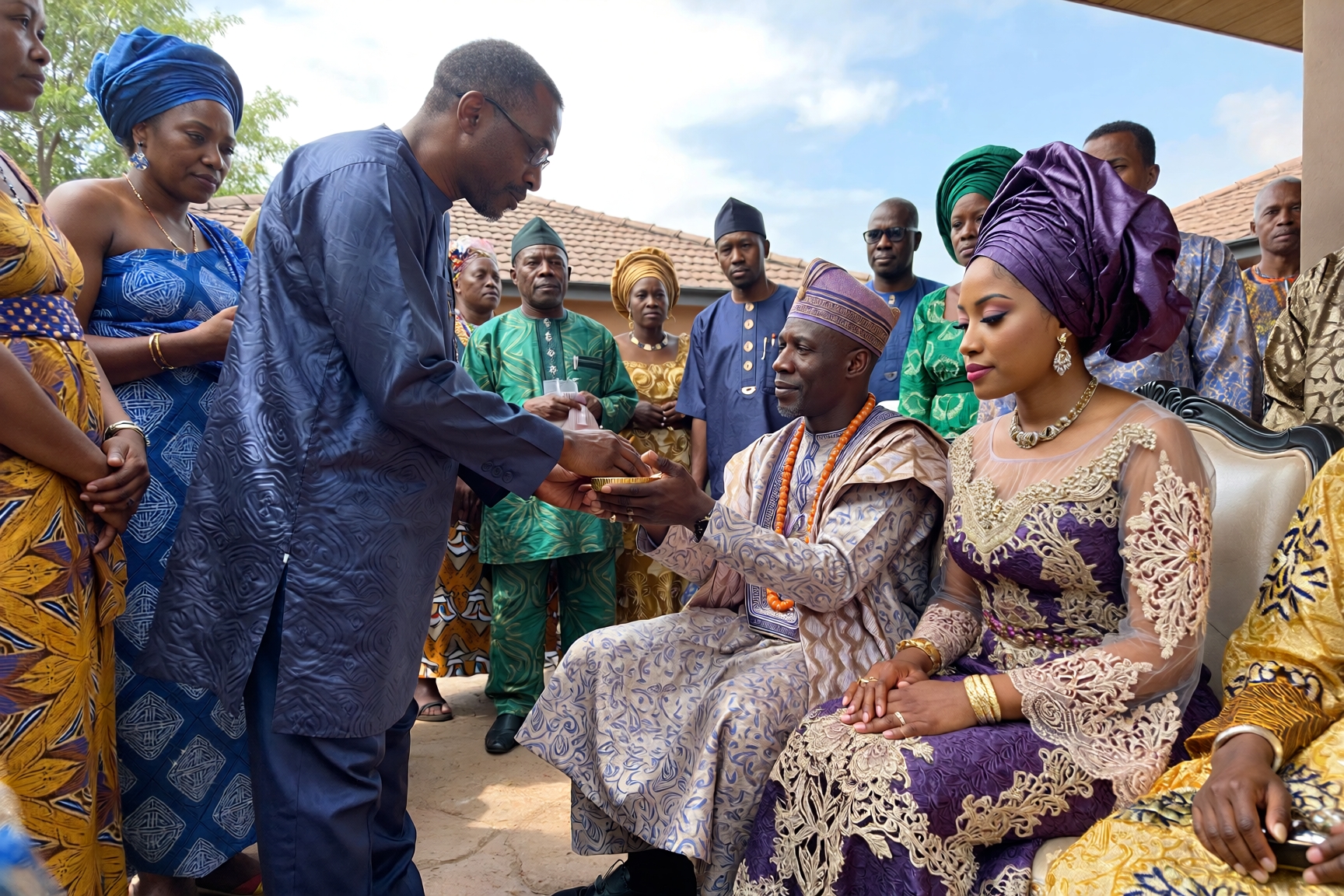
Greeting properly matters intensely here. In Yoruba culture, young men are expected to prostrate fully when greeting elders, whilst women kneel. The Igbo use different gestures, often involving slight bows or specific hand positions. Simply walking past someone older without greeting them at all can brand you as having “no home training”, which is one of the worst character judgments in Nigerian society. According to the Federal Ministry of Justice, respect for traditional authority and cultural norms remains embedded in Nigerian constitutional principles despite modern legal frameworks.
Using your left hand for anything involving other people is deeply offensive across most Nigerian cultures. The left hand is considered unclean because of its traditional bathroom uses (in cultures where water, not paper, is used for cleaning). You must always eat with your right hand, pass items with your right hand, and certainly shake hands only with your right hand. I’ve seen Nigerians visibly recoil when foreigners casually hand them documents with their left hand.
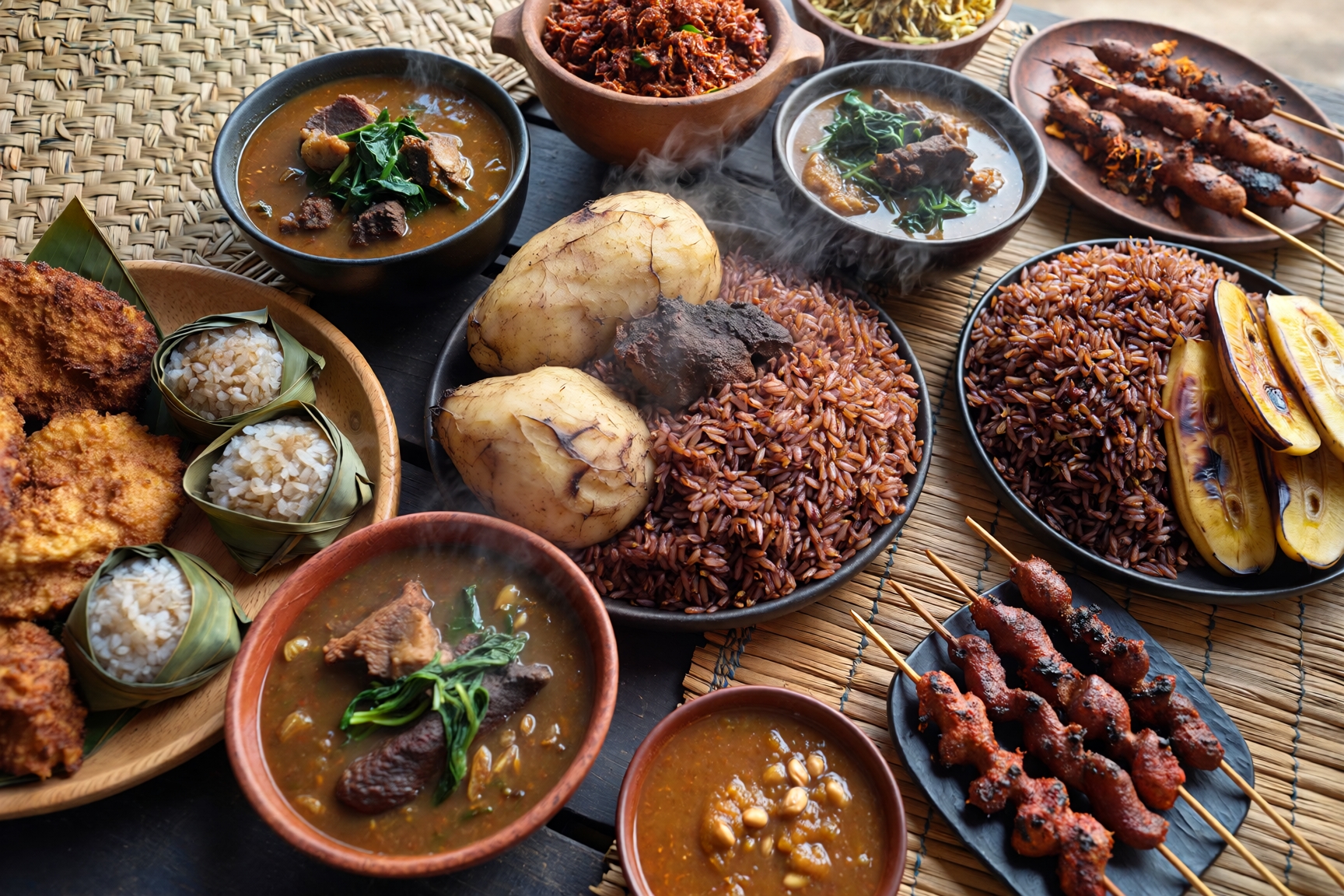
Refusing food or drink when offered by a host is considered quite rude in most Nigerian contexts. Food represents hospitality, generosity, and welcome. Even if you’re genuinely not hungry, the polite response is to accept at least a small portion and make appreciative comments about the offering. Simply saying “no thank you” without explanation can suggest you’re rejecting the host’s goodwill, not just the food itself. As we explored in Nigerian food culture, these etiquette rules aren’t arbitrary but reflect deep values about community, respect, and social bonding.
Questioning or challenging elders publicly, even when they’re factually wrong, violates fundamental Nigerian social principles. The correct approach is to defer publicly and then perhaps suggest alternative perspectives privately and very carefully. Nigerian society values harmony and face-saving over being correct in public forums.
Discussing money too directly or asking about someone’s salary is considered crass. Wealth displays are perfectly acceptable (in fact, they’re expected at certain events), but direct questions about earnings or costs are too personal for initial acquaintances.
How to Navigate Nigerian Social Customs Successfully
Let me give you a practical framework for engaging with Nigerian society in ways that build relationships rather than destroy them before they start.
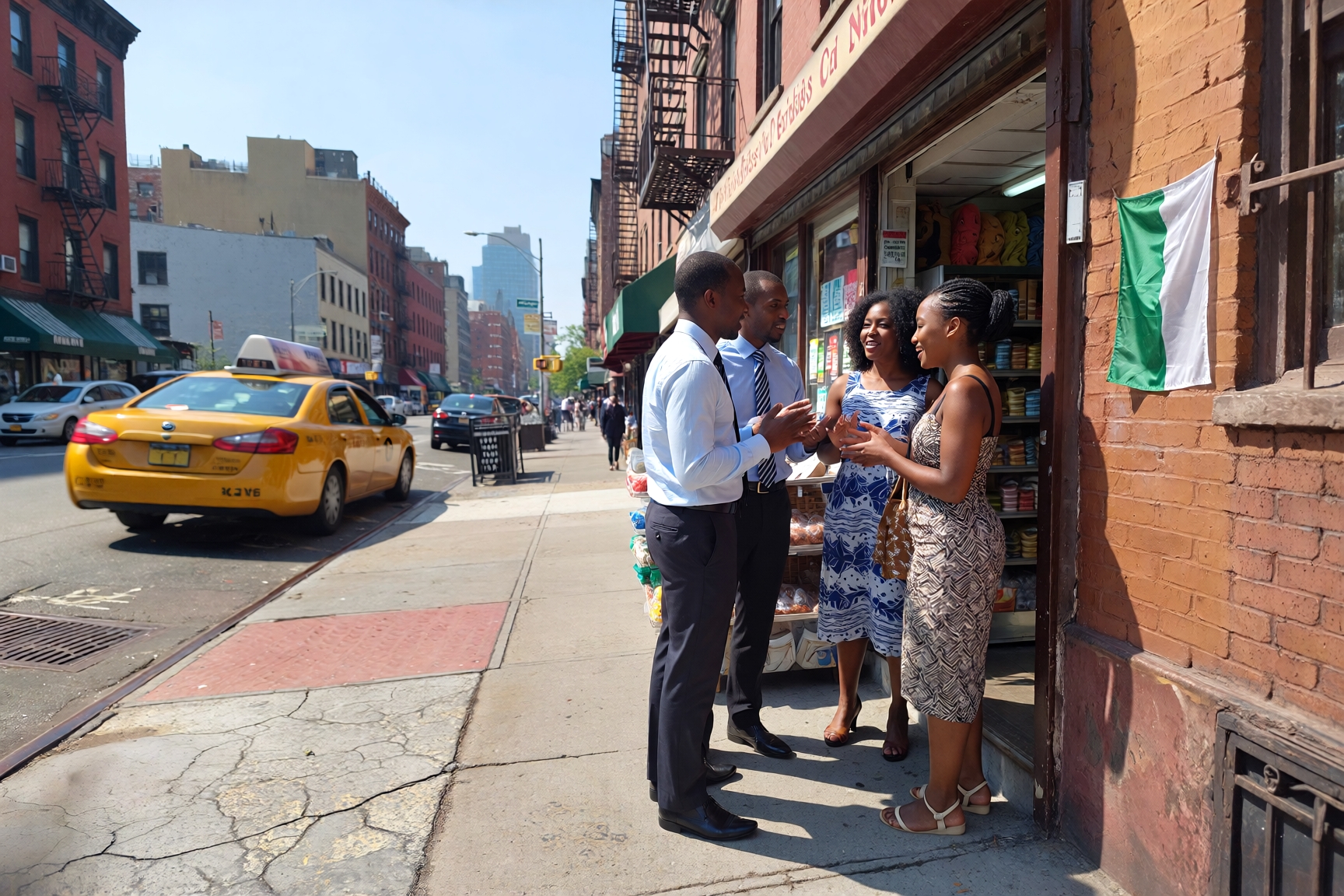
Step 1: Master the greeting protocols. Learn the basic greetings in the major Nigerian languages (Yoruba, Igbo, Hausa) even if you’ll conduct business in English. “E kaaro” (Yoruba good morning), “Bawo ni” (Yoruba how are you), “Kedu” (Igbo how are you), and “Sannu” (Hausa hello) will earn you immediate respect and warmth. Always greet the eldest person first when entering a group, and never rush through greetings. Nigerians view the Western habit of brief, perfunctory greetings as cold and dismissive.
Step 2: Understand gift-giving expectations. When visiting Nigerian homes, always bring something. Fruit, wine, soft drinks, or sweets for children are appropriate. The monetary value matters less than the gesture itself. Refusing a gift when offered is extremely rude. Accept graciously, thank the giver, and don’t open gifts immediately unless specifically asked to do so.
Step 3: Dress appropriately for contexts. Nigeria is generally more conservative than Western countries regarding dress. Women should avoid extremely short skirts, plunging necklines, or overly tight clothing in professional or social settings, particularly in Northern Nigeria where Islamic customs dominate. Men should wear long trousers rather than shorts except at beaches or sports facilities. Traditional attire (agbada, buba, kaftan) is always appropriate and often preferred for important occasions.
Step 4: Learn the dining etiquette. Wait for elders or hosts to begin eating before you start. When eating communal dishes, eat only from the section directly in front of you. Don’t reach across the shared bowl to another person’s area. Use your right hand for eating even if you’re naturally left-handed. Leave a small amount of food on your plate to indicate you’ve been well fed. Cleaning your plate completely can suggest the host didn’t provide enough food.
I learned this the hard way at a family gathering in Ibadan when I enthusiastically finished everything on my plate (I was genuinely hungry!). My host’s mother immediately rushed to serve me more, looking worried. My Nigerian friend later explained I’d accidentally signalled I was still hungry and needed more food, when actually I’d been completely satisfied.
Step 5: Respect religious sensibilities. Nigeria is roughly split between Christianity and Islam, with traditional African religions still practised in some areas. Never mock or dismiss religious beliefs, avoid scheduling business meetings during prayer times (particularly Friday prayers for Muslims), and be sensitive to Islamic dietary restrictions and Ramadan fasting periods. Remove shoes when entering mosques or some traditional worship spaces.
Step 6: Understand “African time” versus actual deadlines. Social events in Nigeria often run significantly behind schedule, and this flexibility is culturally accepted. However, business meetings increasingly run on Western schedules in major cities, so clarify expectations. “Nigerian time” flexibility doesn’t apply equally to all contexts, and missing actual business deadlines will damage your reputation just as severely as anywhere else.
Step 7: Build relationships before transactions. Nigerians generally prefer doing business with people they know and trust. The Western approach of getting straight to business often fails here. Expect to spend time on relationship building through conversations about family, shared interests, and mutual connections before discussing business matters. This isn’t wasting time, this is the actual foundation of successful Nigerian business relationships. Guardian Nigeria regularly covers how Nigerian entrepreneurs build successful ventures through these relationship networks rather than purely transactional approaches.

What are the 4 Laws in Nigeria?
Now, this question deserves careful clarification because Nigeria’s legal system is actually quite complex and doesn’t reduce neatly to just “four laws”.
Nigeria operates a hybrid legal framework combining English common law (inherited from colonial rule), customary law (traditional indigenous legal systems), Islamic Sharia law (in Northern states for personal matters among Muslims), and statutory law created by Nigerian legislatures. According to the Constitution of the Federal Republic of Nigeria 1999, the supreme law of the land establishes the framework for all other legislation whilst recognising the validity of customary and religious legal traditions within specific contexts.
If you’re asking about the major legal codes, Nigeria primarily operates under the Criminal Code (applied in Southern states), the Penal Code (applied in Northern states), the Constitution itself, and various statutory acts covering specific areas like company law, labour law, and so forth.
For practical purposes, foreigners need to understand several key legal realities. First, Nigeria’s constitution guarantees fundamental rights including freedom of expression, assembly, and worship, but these rights can be restricted under certain circumstances defined by law. The legal system recognises both civil and criminal violations.
Second, corruption remains illegal but unfortunately common. The Independent Corrupt Practices and Other Related Offences Commission (ICPC) and Economic and Financial Crimes Commission (EFCC) theoretically prosecute corruption, but enforcement is inconsistent. Offering or accepting bribes can result in prosecution, imprisonment, and deportation for foreigners, even though you’ll likely encounter situations where officials suggest “facilitation payments”. The safest approach is to politely decline and insist on proper procedures.
Third, drug offences carry extremely severe penalties in Nigeria. The National Drug Law Enforcement Agency (NDLEA) has broad powers, and conviction for drug trafficking can result in life imprisonment or even death penalty for the most serious cases. Even small quantities of illegal drugs can trigger prosecution.
Fourth, immigration violations are taken seriously. Overstaying visas, working without proper work permits, or violating residency conditions can result in detention, fines, and deportation. Always maintain valid documentation and comply with all immigration requirements.
Violence, theft, fraud, and other common crimes are prosecuted under either the Criminal Code or Penal Code depending on the state where the offence occurred. Penalties can include fines, imprisonment, or both.
One particularly important legal consideration for foreigners: Nigerian law recognises both statutory marriage (conducted at government registry) and customary marriage (conducted according to traditional ethnic customs). These different marriage types have different legal implications for property rights, divorce, and inheritance. Polygamy is legal under customary law and Islamic law but not under statutory marriage law.
Regional Variations in Nigerian Cultural Practices
Let me give you specific regional differences that actually matter when you’re engaging with different parts of Nigeria.
| Region | Primary Ethnic Groups | Greeting Customs | Dress Expectations | Religious Influence | Notable Social Rules |
|---|---|---|---|---|---|
| Southwest (Lagos, Ibadan) | Yoruba | Prostration for men, kneeling for women when greeting elders | Moderate to conservative; traditional attire widely accepted | Mixed Christian-Muslim; traditional religion present | Respect for chiefs and royalty; elaborate naming ceremonies |
| Southeast (Enugu, Aba) | Igbo | Slight bow; touching elder’s hand; specific title usage | Generally moderate; colourful traditional attire for ceremonies | Predominantly Christian | Strong emphasis on achievement; title-taking ceremonies; kola nut protocols |
| North (Kano, Kaduna) | Hausa-Fulani | Handshakes with right hand; avoid opposite-sex physical contact | Very conservative; women often cover arms/legs; men in long robes | Predominantly Islamic | Strict gender separation; Friday prayer observance; Ramadan respect |
| South-South (Port Harcourt, Warri) | Ijaw, Itsekiri, Efik | Handshakes; respectful address of elders | Moderate; elaborate traditional attire for festivals | Mixed Christian-traditional | Strong community structures; age-grade systems |
| Middle Belt (Plateau, Benue) | Tiv, Berom, Nupe (over 50 groups) | Varies by ethnic group; generally respectful greetings | Moderate; diverse traditional practices | Mixed Christian-Muslim-traditional | Complex ethnic diversity requiring local knowledge |
| Abuja (Federal Capital) | Cosmopolitan mix | Business formality; mix of customs | Business attire common; traditional for special occasions | Diverse religious practices | Most westernised etiquette but respect traditions |
This table represents data compiled from cultural observations across Nigerian regions between 2020 and 2025. What’s immediately striking is how dramatically expectations shift as you move between regions. The conservative dress codes and gender separation protocols in Kano would feel completely different from the more relaxed social mixing in Lagos nightlife. Understanding these regional variations prevents serious cultural missteps.
The Yoruba emphasis on prostration and elaborate royal protocols means you must research proper behaviour before attending any event involving traditional rulers (Obas). I once saw a foreign journalist who casually crossed his legs while seated in the presence of an Oba in Osun State. The traditional council members were visibly offended, though they politely said nothing at the time.
What are the 7 Core Values of Nigeria?
Right, this question has an official answer that’s actually enshrined in our constitution, though I need to tell you there’s often a significant gap between the articulated values and everyday reality.
Section 23 of the Constitution of the Federal Republic of Nigeria 1999 explicitly states the national ethics as: Discipline, Integrity, Dignity of Labour, Social Justice, Religious Tolerance, Self-Reliance, and Patriotism. These aren’t just abstract concepts but intended as foundational principles guiding Nigerian society and governance.
However, the Independent Corrupt Practices and Other Related Offences Commission (ICPC) has more recently promoted an expanded National Ethics and Integrity Policy that identifies seven core values: Human Dignity, Voice and Participation, Patriotism, Personal Responsibility, Integrity, National Unity, and Professionalism. This newer framework attempts to address the admitted erosion of traditional values.
Let me explain what these values actually mean in practical Nigerian contexts rather than just listing abstract definitions.
Discipline refers to orderliness, following rules and procedures, respecting authority structures, and maintaining self-control. In theory, this means punctuality, following queue systems, and adhering to traffic regulations. In reality, Nigerian society struggles significantly with discipline, and you’ll encounter frequent violations of orderly behaviour that frustrate both Nigerians and visitors alike.
Integrity means honesty, ethical behaviour, and resistance to corruption. Nigeria officially values integrity highly, celebrates integrity icons like former INEC Chairman Attahiru Jega and former NAFDAC Director Dora Akunyili, and maintains anti-corruption agencies. Yet corruption remains pervasive across many institutions. The tension between proclaimed integrity values and corrupt practices creates significant frustration for Nigerians committed to ethical behaviour.
Dignity of Labour emphasises that all honest work deserves respect regardless of status or income level. This value challenges the unfortunate Nigerian tendency to look down on manual labour, service workers, or “menial” jobs whilst glorifying wealth regardless of its source. In practice, Nigerian society remains quite status-conscious and materialistic.
I’ll never forget interviewing a young Nigerian who worked three jobs including night security guard whilst studying for professional exams. His family barely acknowledged his work ethic because the jobs weren’t prestigious, yet when a cousin made money through questionable means, that cousin received family celebration. The disconnect between dignity of labour values and actual social attitudes was stark.
Social Justice promotes fairness, equal opportunity, and protection of vulnerable populations. Nigeria’s constitution includes strong social justice language, yet massive inequality, ethnic favouritism, and systemic disadvantages for certain groups remain serious problems. The gap between the ideal and the reality drives much of Nigeria’s ongoing social tension.
Religious Tolerance requires peaceful coexistence between Nigeria’s major religious communities (Christianity, Islam, traditional African religions). Given Nigeria’s roughly even Christian-Muslim split and history of religious conflicts, this value is absolutely critical to national stability. Most Nigerians genuinely practice religious tolerance in daily interactions, though extremist elements occasionally trigger deadly conflicts that violate this core principle.
Self-Reliance emphasises individual responsibility, entrepreneurial initiative, and national economic independence from foreign dependence. Nigeria’s remarkable entrepreneurial culture partly reflects this value. Nigerians generally don’t expect government to solve all problems and instead create their own solutions through business ventures, informal economies, and community support systems.
Patriotism means love for Nigeria, commitment to national unity over ethnic or regional loyalties, and willingness to contribute to national development. National identity remains genuinely important to most Nigerians despite ethnic tensions and governance failures. The passionate Nigerian attachment to national symbols, national sports teams, and Nigerian cultural achievements demonstrates real patriotic feeling.
The critical thing to understand is that these official values represent aspirations more than descriptions of current reality. Nigerian society openly acknowledges the erosion of these values over recent decades. Former President Buhari explicitly stated in 2018 that “the nation’s value system has been badly eroded over the years” and that virtues like honesty, integrity, and hard work had “given way to dishonesty, indolence, unbridled corruption and widespread impunity.”
Understanding these values helps you navigate Nigerian society because you’ll encounter Nigerians who genuinely try to live by these principles alongside others who flagrantly violate them. The social tension between proclaimed values and actual behaviours shapes much of Nigerian public discourse.
What to Watch Out for in Nigeria?
Now we’re getting to the really practical safety and security considerations that can genuinely affect your wellbeing here.
Security concerns vary dramatically by location. Lagos, Abuja, and Port Harcourt have specific high-crime areas but are generally manageable with proper precautions. The Northeast (Borno, Yobe, Adamawa) faces active Boko Haram insurgency making many areas genuinely dangerous for civilians. The Northwest (Zamfara, Katsina, Kaduna) struggles with banditry including kidnapping and armed robbery. The Southeast has seen increased separatist violence and unknown gunmen attacks in recent years. Always research your specific destination’s current security situation before travelling.
Kidnapping for ransom has become a significant problem across Nigeria, affecting both wealthy Nigerians and foreigners. Kidnappers target people they perceive as able to pay substantial ransoms. Avoid establishing predictable routines, vary your routes, and maintain low profiles regarding wealth. Don’t flash expensive jewellery, watches, or electronics unnecessarily. Use reputable hotels with proper security rather than cheaper accommodations in unsecured areas.
Traffic accidents kill far more people in Nigeria than terrorism or violent crime. Nigerian roads are extremely dangerous due to poor road conditions, reckless driving, inadequate vehicle maintenance, and minimal traffic law enforcement. Avoid night-time road travel whenever possible. If you must drive, maintain defensive driving practices and expect other drivers to violate traffic rules constantly. Hiring professional drivers familiar with local conditions is safer than driving yourself, particularly outside major cities.
Scams targeting foreigners are common and sophisticated. The famous “Nigerian prince” email scam is just the tip of the iceberg. Romance scams, business fraud, fake property schemes, and advance-fee fraud all operate here. Never send money to people you haven’t met in person, verify all business credentials independently, and be extremely sceptical of too-good-to-be-true investment opportunities. Legitimate Nigerian businesses exist, but so do elaborate frauds specifically designed to exploit foreign investors.
One particular scam to watch for: fake police or military personnel stopping vehicles to extort “fines” for invented violations. Genuine law enforcement can legitimately stop vehicles, but extortion is common. If stopped, remain polite, ask for official documentation, and offer to pay any genuine fines at the police station rather than on the roadside. Carry small amounts of cash (₦500 to ₦2,000 notes) separate from your main money in case you need to resolve situations quickly.
Health risks include malaria (take prophylaxis seriously), typhoid, cholera during outbreaks, and limited emergency medical services outside major cities. Nigeria’s healthcare system faces enormous challenges, and expatriates typically use private hospitals charging international prices. Maintain comprehensive medical insurance that covers medical evacuation to better-equipped facilities if necessary.
Drink only bottled water, avoid ice unless you’re certain of its source, eat fully cooked foods from reputable establishments, and be cautious with street food despite its appeal. I love Nigerian street food but I also know which vendors maintain proper hygiene and which don’t. Food poisoning can ruin your trip or worse.
Police and security forces sometimes abuse their authority. Most Nigerian police are professional, but some engage in illegal detention, extortion, or worse. Know your rights, remain calm and polite if detained, contact your embassy immediately if arrested, and don’t sign documents you haven’t read and understood completely. For anyone curious about navigating Nigerian bureaucracy and institutions, understanding our broader social context helps, which I explored thoroughly in what life is like in Nigeria today.
Currency exchange should only occur at licensed bureaux de change or banks. The black market offers better rates but exposes you to counterfeit currency and potential robbery. Nigeria’s currency controls and Naira volatility create genuine challenges, but using unofficial currency dealers creates worse problems.
Finally, be aware of your visa status constantly. Nigerian immigration authorities can be bureaucratic and unforgiving. Overstaying your visa even by one day creates legal problems. Maintain all entry stamps, visa documentation, and hotel registration receipts. Some states require foreigners to register with local authorities within specific time periods.
Understanding Nigerian Cultural Values in Practice
The gap between Nigeria’s stated values and everyday realities creates genuine challenges for both Nigerians and foreigners trying to navigate this society successfully.
Most Nigerians genuinely believe in the seven core values enshrined in the constitution and want their society to reflect these principles. Yet systemic corruption, weak institutions, economic pressure, and decades of governance failures have eroded these values in practice. You’ll meet Nigerians who strictly maintain integrity, discipline, and patriotism whilst others openly violate these same principles. Understanding this duality is essential.
Religious values profoundly shape Nigerian society despite the constitutional requirement for secular government. Christianity and Islam aren’t just Sunday or Friday obligations but frameworks that influence daily decisions, business practices, family relationships, and social expectations. Respect these religious commitments even if you don’t share them. Guardian Nigeria’s coverage of traditional Nigerian etiquette demonstrates how deeply cultural and religious values intertwine in practical social situations.
Family obligations in Nigeria extend far beyond Western nuclear family concepts. Extended family networks create both support systems and financial obligations that Westerners might find overwhelming. Successful Nigerians often support dozens of relatives financially, attend countless family ceremonies, and navigate complex family politics. This isn’t optional social nicety but fundamental cultural obligation. Understanding family centrality explains many Nigerian behaviours that might otherwise seem puzzling.
The Nigerian concept of “long throat” (greed, envy, excessive desire for what others have) influences social behaviours significantly. Nigerians often avoid openly discussing good fortune, hide windfalls from extended family, and maintain dual personas about their actual economic situations. This isn’t dishonesty but protection against the enormous pressures that visible success creates in societies with pervasive poverty and strong communal obligations.
“Home training” is perhaps the most important character judgment in Nigerian society. This phrase refers to the moral values, manners, and behavioural standards parents instilled during childhood. Someone with “no home training” has committed an irredeemable character flaw. Someone with “good home training” can be trusted despite other shortcomings. Demonstrating good home training through proper greetings, respect for elders, appropriate dress, and courteous behaviour opens doors throughout Nigerian society.
Time to talk about the “big man” syndrome because it profoundly affects Nigerian social and business interactions. Nigerian culture deeply respects success, wealth, and status. “Big men” (wealthy, influential people) receive deference, access, and privileges unavailable to ordinary Nigerians. This creates patron-client relationships where less powerful individuals align themselves with powerful sponsors. Understanding these power dynamics helps you navigate Nigerian business and social hierarchies without being exploited or inadvertently causing offence.
Navigating Do’s and Don’ts in Nigerian Cultural Norms: Final Thoughts
After all these years covering Nigerian society and navigating these cultural complexities myself, I can tell you that understanding the do and don’ts in Nigeria ultimately comes down to three fundamental principles: respect hierarchy, value relationships over transactions, and maintain genuine humility about what you don’t yet understand.
Nigeria rewards cultural sensitivity magnificently. Learn proper greetings, show respect for elders and traditions, dress appropriately, and demonstrate genuine interest in Nigerian culture, and you’ll find Nigerians remarkably warm, generous, and welcoming. Violate fundamental cultural norms through ignorance or arrogance, and you’ll encounter cold shoulders, failed business dealings, or worse.
The seven core values enshrined in Nigeria’s constitution (Discipline, Integrity, Dignity of Labour, Social Justice, Religious Tolerance, Self-Reliance, and Patriotism) represent genuine aspirations that many Nigerians strive to maintain despite systemic challenges. Understanding what Nigerians consider disrespectful (using left hands, disrespecting elders, inappropriate dress, refusing hospitality) prevents serious cultural offences. Knowing what to watch out for (security risks varying by region, traffic dangers, scams, health hazards) keeps you safe whilst enjoying Nigeria’s remarkable offerings.
Regional variations matter enormously. The conservative Islamic North requires dramatically different behaviour than the more cosmopolitan South. The Yoruba prostration protocols differ entirely from Igbo or Hausa greeting customs. Don’t assume that what worked in Lagos will work in Kano or vice versa.
Here are three practical takeaways you can implement immediately:
- Master respectful greetings in the three major languages (Yoruba, Igbo, Hausa) and always use appropriate titles when addressing elders or authority figures, never casual first names until explicitly invited to do so.
- Prioritise relationship building over rushing to business transactions, spending time on conversations about family, shared interests, and mutual connections before discussing commercial matters, as this builds the trust foundation Nigerian business culture requires.
- Research your specific destination’s current security situation thoroughly, varying your routines, maintaining low profiles about wealth, avoiding night travel, and hiring local expertise for navigation in unfamiliar areas rather than assuming general Nigerian knowledge applies everywhere equally.
Nigeria is not simple, not uniform, and not always easy to navigate. But it’s absolutely worth the effort to engage properly with this complex, dynamic, fascinating society. The cultural richness, entrepreneurial energy, and genuine warmth you’ll encounter when you get it right makes all the learning worthwhile.
Start with respect, continue with genuine curiosity, and maintain humility about your ongoing education in Nigerian culture. You’ll make mistakes. Nigerians generally forgive genuine cultural errors from people who are obviously trying to learn and show respect. What they won’t forgive is arrogance, disrespect for fundamental values, or refusal to acknowledge cultural differences.
FAQ: Do and Don’ts in Nigeria
What’s the most important cultural rule in Nigeria?
Respecting elders is the single most fundamental rule in Nigerian culture, requiring you to use proper titles (Uncle, Auntie, Sir, Ma), greet them first in group settings, defer to their opinions in public even when disagreeing privately, and demonstrate the “home training” your upbringing supposedly instilled. Violating this respect principle brands you as having “no home training”, which is perhaps the most damaging character judgment in Nigerian society and can close doors across both social and professional contexts.
Can women travel safely in Nigeria?
Women can travel safely in Nigeria with proper precautions, though expectations and safety considerations vary significantly by region, with Northern Nigeria requiring more conservative dress (covering shoulders, arms, legs) and behaviour whilst Southern cities like Lagos are more relaxed though still more conservative than most Western countries. Women should avoid travelling alone at night, use reputable accommodation with security, dress modestly in professional and social settings, and be aware that sexual harassment exists despite many Nigerian men being perfectly respectful, requiring firm but polite boundary-setting when necessary.
Is it safe to drink tap water in Nigeria?
No, tap water in Nigeria is not safe to drink due to inadequate water treatment infrastructure, contamination risks, and waterborne diseases including typhoid, cholera, and dysentery that regularly affect Nigerians themselves, making bottled water essential for drinking and even tooth brushing. Stick to sealed bottled water from reputable brands, avoid ice unless you’re certain it came from purified water, and be cautious with fresh fruits or vegetables washed in tap water, though cooked foods are generally safe when prepared at proper temperatures.
How much should I tip in Nigeria?
Tipping in Nigeria is customary but not as standardised as Western countries, with 10% being appropriate for restaurant table service though many establishments already include service charges that you should check before adding tips. For hotel porters, ₦200 to ₦500 per bag is reasonable, whilst taxi drivers don’t traditionally expect tips but rounding up fares or adding ₦100 to ₦500 for helpful service is appreciated, and for personal services like hairdressing or barbering, 10-15% tips are becoming increasingly common in urban areas.
What should I wear to a Nigerian wedding?
Nigerian weddings are spectacular cultural showcases where guests are expected to dress elaborately in either traditional Nigerian attire (aso-ebi fabric specifically chosen by the couple’s family that guests purchase and sew into outfits) or very formal Western clothing with men in full suits and women in glamorous dresses with elaborate headwraps called gele. The more elaborate and expensive your outfit appears, the more you honour the couple and their families, with simple or casual dress being considered disrespectful to the magnitude of the celebration, and many couples provide specific dress codes including designated colour schemes that guests absolutely must follow.
Can I photograph people and places freely in Nigeria?
No, you cannot photograph freely in Nigeria because many Nigerians consider being photographed without permission disrespectful or intrusive, whilst military installations, government buildings, airports, and security checkpoints strictly prohibit photography with confiscation of cameras or even arrest for violations. Always ask permission before photographing individuals (particularly in traditional or rural settings), avoid any photography near security infrastructure or personnel, be cautious about photographing poverty or sensitive social conditions without genuine relationship and consent from subjects, and understand that some traditional religious ceremonies prohibit photography entirely during sacred moments.
How do I handle bribe solicitations?
When Nigerian officials solicit bribes (unfortunately common at checkpoints, government offices, and various bureaucratic interactions), politely decline whilst maintaining respectful demeanour, offer to pay any legitimate fines or fees at proper offices with official receipts, avoid arguing or showing anger which escalates situations, and if pressured persistently, sometimes small amounts (₦500 to ₦2,000) resolve situations pragmatically though ideally you should refuse. Contact your embassy if detained or threatened, document incidents when safe to do so, and understand that many Nigerians themselves despise this corruption but feel powerless against systemic failures.
Is Nigerian Pidgin English necessary to learn?
Nigerian Pidgin English is not strictly necessary but learning basic phrases significantly improves your connections with ordinary Nigerians, particularly in informal settings, markets, and with service workers who might struggle with standard English or feel more comfortable in Pidgin. Common phrases like “Wetin dey?” (What’s happening?), “How far?” (How are things?), “I no sabi” (I don’t know), and “Na so e be” (That’s how it is) create instant rapport and demonstrate cultural engagement that Nigerians genuinely appreciate, whilst still maintaining formal English for professional and official contexts.
What’s appropriate for business meetings in Nigeria?
Business meetings in Nigeria require formal conservative dress (full suits for men, business suits or modest professional dresses for women), arriving prepared for meetings to start late despite your punctuality being expected, spending significant time on relationship building through personal conversation before discussing business, bringing business cards to exchange though they’re often not referenced again, and understanding that decisions rarely happen in first meetings but require subsequent relationship development and often involvement of senior figures who may not attend initial discussions.
Can unmarried couples share hotel rooms in Nigeria?
Unmarried couples can share hotel rooms in most Nigerian cities with major international hotels and many local establishments not questioning relationship status, though some hotels particularly in Northern Nigeria may request marriage certificates or refuse accommodation to unmarried couples based on Islamic principles. Be prepared to claim marriage if questioned, book rooms showing different names won’t automatically trigger issues, understand that conservative areas enforce these rules more strictly than cosmopolitan Lagos or Abuja, and recognize that Nigerian society generally disapproves of unmarried cohabitation even where it’s not legally prohibited.
How can I avoid getting sick in Nigeria?
Avoid illness in Nigeria by taking malaria prophylaxis seriously before, during, and after your visit, using insect repellent and sleeping under treated mosquito nets, drinking only bottled water, eating fully cooked foods from reputable establishments, washing hands frequently or using hand sanitiser, avoiding fresh salads or uncooked vegetables unless you’re certain about washing procedures, getting necessary vaccinations (yellow fever, typhoid, hepatitis A and B, meningitis for Northern regions), and carrying anti-diarrhoea medication, oral rehydration salts, and basic first aid supplies since pharmacies sell both genuine and counterfeit medications requiring careful source verification.
What are the most important Nigerian holidays to know?
Major Nigerian holidays include Independence Day (October 1st celebrating 1960 independence from Britain), Democracy Day (June 12th recognizing democratic governance), Christmas and Easter (celebrated extensively by Christian populations with family gatherings and feasting), Eid al-Fitr and Eid al-Adha (Islamic festivals marking end of Ramadan and commemorating Abraham’s sacrifice with Northern Nigeria virtually shutting down), and New Year’s Day when businesses close and Nigerians celebrate “Detty December” season. Knowing these holidays helps with travel planning since banks, government offices, and many businesses close whilst transport becomes challenging due to mass movements of Nigerians returning to their ancestral villages.