 Follow Us on Google News


 Follow Us on Google Discover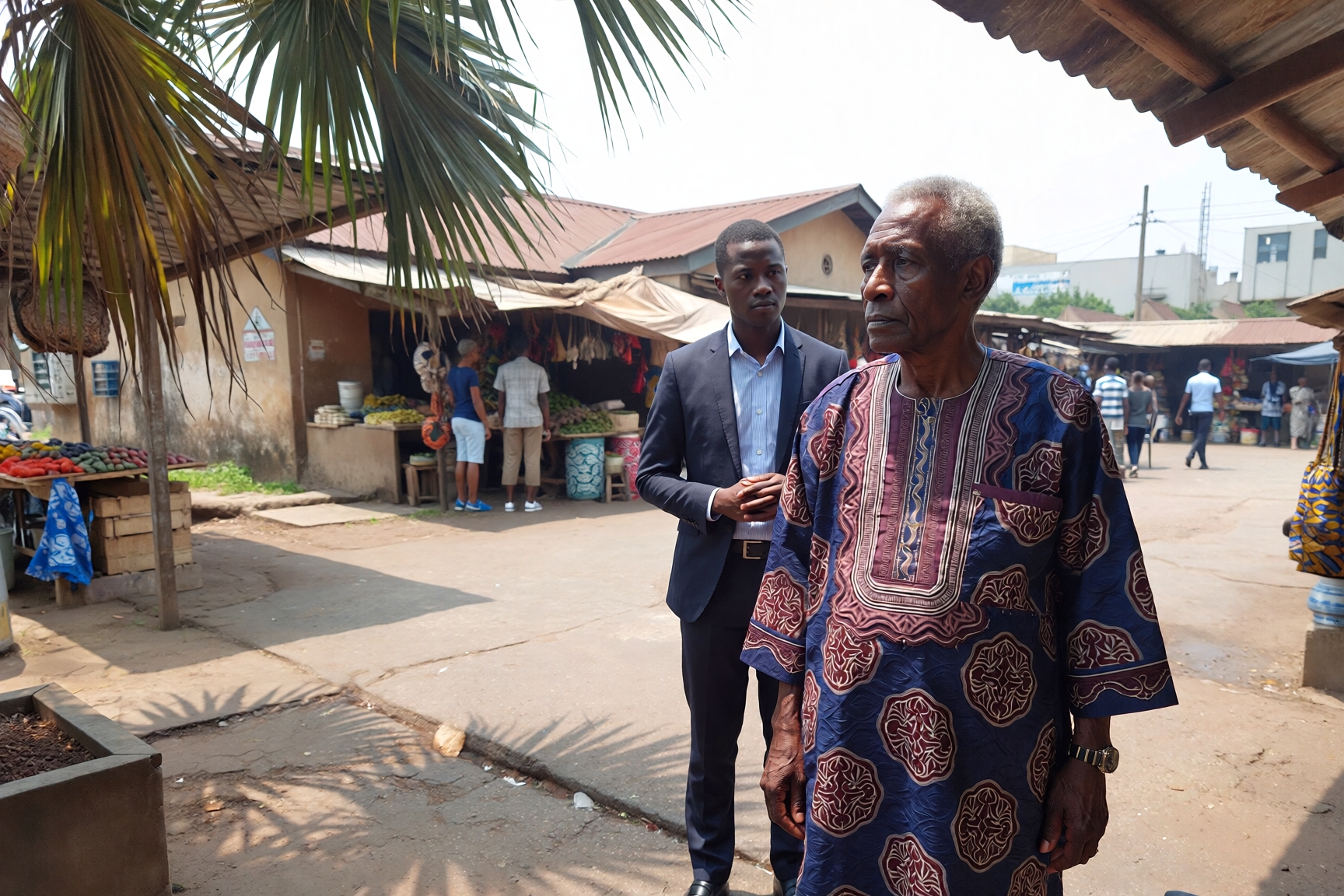
Hello there, and welcome. I’m absolutely thrilled you’ve found your way to this exploration of one of the most fascinating yet often misunderstood aspects of Nigerian society. This article represents the culmination of months of meticulous research into cultural prohibitions across Nigeria’s 371 ethnic groups, drawing upon years of experience conducting anthropological fieldwork, attending traditional ceremonies from Sokoto to Calabar, and countless conversations with traditional rulers, elders, and cultural custodians who’ve entrusted me with knowledge passed down through generations.
What is taboo in Nigerian culture? Nigerian cultural taboos are complex systems of social and spiritual prohibitions that vary dramatically across the country’s diverse ethnic groups, governing everything from food consumption and marriage practices to land use and spiritual interactions. These prohibitions serve as invisible guardrails maintaining social order, preserving religious sanctity, and protecting community wellbeing through culturally specific rules that carry consequences ranging from social ostracism to spiritual retribution.
I still remember my first encounter with the gravity of cultural taboos during a research trip to Osun State. I’d been invited to observe a traditional ceremony and, in my foreign-trained enthusiasm, nearly stepped into a sacred grove wearing shoes. The elderly priestess gently stopped me, explaining that this particular space had been protected by taboo for over 400 years. That moment taught me something essential: Nigerian taboos aren’t arbitrary rules. They’re living frameworks of meaning that connect present-day communities to ancestral wisdom, environmental protection, and social cohesion.
According to the National Institute for Cultural Orientation, cultural values influence behaviour, shape character, and collectively define national identity. When we embrace our heritage, including understanding the taboos that have protected our communities for centuries, we strengthen our unity whilst respecting the diversity that makes Nigeria extraordinary.
But here’s what truly fascinates me about Nigerian taboos: they’re simultaneously universal and utterly specific. Nearly every Nigerian culture prohibits certain behaviours around elders, sacred spaces, and family relationships. Yet the exact nature of these prohibitions varies dramatically. What’s perfectly acceptable in a Lagos Yoruba household might be deeply offensive in an Igbo community in Enugu, and completely different again among the Hausa-Fulani in Kano.
Understanding the Diverse Taboo Systems Across Nigerian Ethnic Groups
Nigeria’s taboo systems reflect the extraordinary cultural diversity documented by the Federal Ministry of Information and National Orientation. With over 371 distinct ethnic groups speaking 500+ languages, taboo practices vary as dramatically as the landscapes that shaped them.

When I was conducting fieldwork in the Middle Belt, I noticed something remarkable. Within just 50 kilometres, I encountered three different ethnic groups with completely distinct taboo systems regarding farming practices. The Tiv people I spoke with had elaborate prohibitions around yam cultivation tied to ancestral worship. Their Idoma neighbours maintained different agricultural taboos focused on land spirits. And the Igala communities had their own unique set of farming restrictions connected to their monarchy system.
This diversity isn’t chaotic. It’s beautifully systematic.
Each ethnic group developed taboos responding to their specific environment, history, and spiritual cosmology. The Ijaw fishing communities in the Niger Delta created taboos protecting sacred fish species and waterways. The Fulani pastoralists developed prohibitions around cattle ownership and grazing that maintain social hierarchy and prevent conflicts. The Yoruba urban kingdoms established taboos regulating market behaviour and protecting royal authority.
I’ve spent years trying to map these taboo systems, and honestly, it’s rather like trying to photograph a moving river. Just when you think you’ve understood one community’s prohibitions, you discover another sub-group with fascinating variations. The Igbo alone have dozens of sub-ethnic identities, each maintaining slightly different taboo traditions whilst sharing certain core prohibitions.
What makes Nigerian taboos particularly complex is how they intersect with Nigeria’s major religions. Christianity and Islam have been practised in Nigeria for centuries now, creating fascinating syncretisms where traditional taboos blend with religious prohibitions. A Christian Yoruba family might avoid certain traditional festivals their grandparents observed, but they’ll still respect taboos around greeting elders properly. Muslim Hausa communities maintain Islamic dietary laws whilst also honouring traditional prohibitions around chieftaincy and social hierarchy.
The Federal Ministry of Foreign Affairs recognises this cultural complexity as central to Nigerian identity, noting that our diverse traditions distinguish us internationally whilst creating internal challenges around standardising social norms.
Religious taboos now overlay traditional ones, creating multiple frameworks of prohibition that Nigerians navigate daily. You might find a Lagos professional who’s deeply Christian refusing to participate in traditional ceremonies she considers pagan, whilst still unconsciously observing certain taboos around pregnancy and childbirth that predate Christianity in her culture by millennia.
This layering creates what I call “taboo flexibility”. Urban Nigerians especially have developed sophisticated skills at switching between different taboo frameworks depending on context. They might follow traditional prohibitions during village ceremonies, observe Christian sexual ethics in church contexts, and adopt more relaxed urban norms in their Lagos workplace.
The erosion of traditional languages documented in Nigeria’s fading indigenous languages directly impacts taboo transmission, as many prohibitions are embedded in linguistic structures and proverbs that don’t translate well into English or Pidgin. When younger Nigerians lose fluency in their ethnic tongues, they simultaneously lose access to the cultural frameworks that explain why certain taboos matter.
But here’s the crucial bit: this flexibility doesn’t mean taboos have lost power. It means they’ve evolved.
Even Nigerians who claim they don’t believe in traditional taboos often unconsciously observe them. I’ve watched highly educated, globally travelled professionals refuse to whistle at night (traditionally believed to summon spirits) or avoid pointing at graves. When I asked one banker friend why he wouldn’t whistle indoors, he laughed and said, “I know it’s probably superstition, but why risk it?” That right there is the enduring power of taboo.
Common Food and Dietary Restrictions Across Nigerian Cultures
Food taboos reveal so much about how culture operates at the most intimate level, governing what we literally put into our bodies. These prohibitions aren’t just about taste preferences. They’re about identity, spirituality, and maintaining cultural boundaries.
I remember interviewing a Yoruba elder in Ibadan who explained their community’s complex relationship with specific foods. She told me, “Some foods are not for everyone. Your totem animal, your orisha, your day of birth all determine what you can and cannot eat.” This wasn’t about health. This was about spiritual safety.
The Yoruba maintain elaborate food taboos connected to orisha worship. If you’re dedicated to Shango (the deity of thunder), you might avoid bitter leaf. Those who worship Obatala typically won’t eat snails. These aren’t suggestions. For devout practitioners, violating food taboos invites spiritual consequences ranging from bad luck to serious illness.
Among the Igbo, I’ve documented different food prohibitions entirely. Many Igbo communities have totem animals that members must never consume. If your clan’s totem is the python, eating snake meat would be unthinkable. The prohibition extends beyond just you to your entire lineage.
This actually gets rather complicated during urban migration.
Imagine a young Igbo man whose family totem forbids eating certain fish. He moves to Lagos for work, gets invited to a business dinner, and discovers the main dish is exactly what he cannot eat. Does he explain his cultural taboo to foreign business partners? Does he quietly refuse and risk appearing rude? These daily negotiations reveal how traditional taboos persist even in modern contexts.
The Hausa-Fulani communities maintain Islamic dietary laws whilst also observing traditional prohibitions. Pork is haram (forbidden) under Islamic law, which aligns with pre-Islamic Hausa cultural preferences anyway. But they also maintain traditional taboos around foods considered spiritually dangerous or socially inappropriate.
I’ve found that pregnancy food taboos cut across nearly all Nigerian cultures, though the specifics vary wildly. Most ethnic groups prohibit pregnant women from eating certain foods believed to affect the unborn child. Some communities forbid snails (supposedly making the baby drool excessively). Others prohibit eggs (believed to make childbirth difficult). Scientific evidence for these beliefs? Absolutely none. Cultural power? Immense.
During my research in Calabar, elderly women explained elaborate prohibitions around menstruation and food preparation. In many traditional communities, menstruating women cannot cook certain sacred foods or enter particular spaces. Modern Nigerian women often find these restrictions frustrating, viewing them as discriminatory. Yet in rural areas and traditional households, these taboos remain strictly observed.
Gender plays a huge role in food taboos across Nigeria. Many cultures reserve certain choice portions of meat for men. In some communities, women cannot eat gizzard or certain internal organs. When I asked elders why, the explanations ranged from “it’s always been this way” to elaborate spiritual justifications about male and female energies requiring different nutritional inputs.
What absolutely fascinates me is how these food taboos create and maintain community boundaries. When you share a meal with someone, you’re demonstrating trust and acceptance. When someone respects your food taboos, they’re honouring your identity. I’ve seen business deals solidified because a visitor took time to learn and respect their host’s dietary restrictions. Food taboos aren’t just about what you eat. They’re about who you are.
Seven Essential Steps for Understanding Nigerian Cultural Taboos
If you’re trying to navigate Nigerian taboo systems, whether as a researcher, expatriate, business person, or simply someone interested in our magnificent cultural landscape, these seven steps will help you approach this complex topic with appropriate sensitivity:
- Recognise Regional and Ethnic Variations: Never assume one ethnic group’s taboos apply to all Nigerians. What’s absolutely forbidden in Yoruba culture might be perfectly acceptable among the Igbo. Research the specific ethnic group you’ll be interacting with. Ask respectful questions. Acknowledge that Nigeria contains hundreds of distinct cultural systems, each with its own prohibitions. I’ve found that Nigerians appreciate when visitors take time to learn about their specific traditions rather than making generalised assumptions about “Nigerian culture”.
- Understand the Distinction Between Social and Spiritual Taboos: Some taboos are primarily social (like how to greet elders properly), whilst others carry spiritual consequences (like prohibitions around sacred groves). Social taboos might earn you disapproving looks or damage your reputation. Spiritual taboos, according to traditional belief systems, invite ancestral displeasure or spiritual retribution. Both matter, but they operate through different enforcement mechanisms. Social taboos are enforced by community judgment and potential ostracism. Spiritual taboos are believed to be enforced by supernatural consequences that community intervention cannot prevent.
- Learn Appropriate Greeting Protocols for Your Context: Greeting taboos are universal across Nigerian cultures but vary in specifics. Generally, younger people greet elders first. In many cultures, women curtsy or kneel when greeting elders or important figures. Men often prostrate (among Yoruba) or bow respectfully. Using left hand for greetings or gifts is taboo across most Nigerian cultures. The left hand is associated with uncleanliness, and using it for social interactions causes deep offence. I once watched a foreign businessman nearly destroy a potential partnership by offering his left hand to a traditional ruler. The insult was profound.
- Respect Sacred Spaces and Objects: Every Nigerian community maintains sacred spaces where specific behaviours are prohibited. These might include traditional shrines, ancestral groves, monarch’s palaces, or specific natural features like rivers and mountains. Never enter sacred spaces without permission. Don’t photograph religious ceremonies without explicit consent. Remove shoes when required. Speak quietly in sacred contexts. I learnt this the hard way in Osun State when my camera nearly caused a diplomatic incident at a traditional ceremony.
- Understand Taboos Around Death and Mourning: Death taboos are particularly powerful across Nigerian cultures. Most communities prohibit certain behaviours during mourning periods. Widows often face elaborate restrictions that modern Nigerians increasingly view as oppressive. But understanding these taboos helps you navigate sensitive situations respectfully. Don’t attend social events during your mourning period. Wear appropriate mourning attire (often black or white, depending on the culture). Observe the prescribed mourning duration for the relationship. Respect burial customs even if they seem foreign to you.
- Navigate Marriage and Relationship Taboos Carefully: Marriage taboos regulate who can marry whom, appropriate courtship behaviour, and family obligations. Most Nigerian cultures prohibit marriages between close relatives. Many maintain clan exogamy rules forbidding marriages within certain kinship groups. Some communities still observe taboos against marrying people from specific other ethnic groups or social classes. These taboos are weakening in urban areas but remain powerful in traditional communities. I’ve documented cases where families have completely disowned children who violated marriage taboos, particularly around the Osu caste system that persists in some Igbo communities.
- When in Doubt, Observe and Ask Respectfully: If you’re unsure whether something is taboo, watch what local people do and follow their lead. Nigerians generally appreciate respectful questions about cultural practices. Frame questions humbly: “I notice people don’t do X. Is there a cultural reason?” rather than “Why can’t I do X?” This shows respect for the culture whilst seeking understanding. Most Nigerians will gladly explain taboos to genuinely interested visitors, especially if you demonstrate that you intend to respect them even if you don’t fully understand the underlying logic.
The Social Functions of Taboo in Maintaining Order
Taboos don’t exist randomly. They serve specific social functions that maintain community cohesion, protect vulnerable members, and preserve knowledge systems. Understanding these functions helps explain why taboos persist even as Nigeria modernises.
I’ve spent considerable time examining how taboos function as social control mechanisms. They’re remarkably efficient. Unlike formal laws requiring police and courts, taboos are enforced through community pressure and internalised beliefs. A young person learns what’s taboo long before they can articulate why, absorbing prohibitions through observation and socialisation.
Think about respect taboos around elders. Every Nigerian ethnic group maintains elaborate rules about how younger people must interact with elders. These aren’t mere politeness. They’re fundamental to social hierarchy and knowledge transmission. When a young Yoruba man prostrates to greet an elder, he’s not just being polite. He’s acknowledging the elder’s accumulated wisdom, reinforcing generational authority, and maintaining social order.
Environmental taboos protected natural resources long before modern conservation science. The Igbo people I interviewed in Abia State explained how sacred groves, protected by taboos forbidding hunting or logging, have preserved biodiversity for centuries. These weren’t arbitrary rules. They were sophisticated resource management systems disguised in spiritual language.
One community elder told me, “Our fathers forbade cutting trees in the sacred forest because the spirits would punish us. Now scientists say those trees prevent erosion and protect our water sources. Our fathers knew, but they explained it in ways we would respect.”
That right there is the genius of traditional taboo systems.
Marriage taboos prevent genetic problems through exogamy rules forbidding cousin marriages. Food taboos during pregnancy protected women from foods that might genuinely cause complications (though the cultural explanations involve spirits rather than bacteria). Burial taboos prevented disease transmission from corpses. The taboos worked, even if the traditional explanations differ from modern scientific understanding.
Gender taboos, whilst often appearing restrictive to modern eyes, historically organised labour division and resource allocation. Prohibiting women from certain agricultural tasks during pregnancy protected maternal health. Restricting men from particular household spaces acknowledged women’s domestic authority. These taboos created complementary social roles that sustained communities for generations.
I’m not suggesting all traditional taboos are beneficial. Many perpetuate inequality, restrict personal freedom, and cause genuine harm. The widowhood practices I’ve documented in some communities are absolutely horrific, traumatising women during their most vulnerable moments. Child marriage taboos that normalise very young girls marrying adult men violate basic human rights.
But to understand taboos, we must recognise both their historical functions and their contemporary impacts.
Modern Nigeria wrestles with which taboos to preserve as cultural heritage and which to abandon as harmful anachronisms. This negotiation happens in parliaments, courtrooms, family compounds, and individual consciences. I’ve watched traditional rulers defend cultural practices whilst simultaneously acknowledging that some taboos must evolve to align with contemporary human rights standards.
The National Institute for Cultural Orientation works to preserve beneficial cultural traditions whilst encouraging the abandonment of harmful practices. Their cultural heritage programmes celebrate Nigerian diversity whilst promoting values like gender equality that conflict with certain traditional taboos.
Spiritual and Religious Dimensions of Cultural Prohibitions
Nigerian taboos carry profound spiritual weight that transcends simple rule-following. For many Nigerians, violating taboos isn’t just socially awkward. It’s spiritually dangerous.
I interviewed a traditional priest in Ile-Ife who explained the cosmological basis for Yoruba taboos. In his worldview, taboos maintain balance between the physical realm (aye) and the spiritual realm (orun). Breaking taboos disrupts this balance, inviting spiritual consequences that affect not just the individual but potentially their entire family line.
This spiritual dimension means taboos persist even when enforcement mechanisms weaken. You can escape social consequences by moving to Lagos where nobody knows your background. But according to traditional belief, spiritual consequences follow you. The ancestors know. The orisha know. You cannot hide.
Islam and Christianity have complicated but not eliminated traditional spiritual taboos. Many Nigerian Christians maintain prohibitions their pastors consider pagan. Muslim Nigerians observe traditional taboos alongside Islamic law. I’ve documented fascinating syncretisms where people reinterpret traditional taboos through Christian or Islamic frameworks to justify continued observance.
The relationship between culture and religion in Nigerian development reveals how spiritual beliefs shape taboo observance, with traditional prohibitions often gaining new justifications through religious reinterpretation whilst maintaining their social functions.
A Christian friend in Enugu explained it brilliantly: “The Bible says honour your father and mother. Our traditional taboos about respecting elders are just our cultural way of fulfilling that commandment.” By framing traditional taboos as aligned with Christian principles, he maintained cultural identity whilst affirming religious commitment.
The spiritual power attributed to taboos creates what anthropologists call “magical thinking”. Even Nigerians who intellectually reject traditional spirituality often unconsciously avoid violating major taboos. “Just to be safe,” they say. That’s the taboo doing its work.
I’ve met university professors who laugh at village superstitions but still won’t whistle at night. Doctors who understand pregnancy scientifically but avoid certain foods their grandmothers warned against. Lawyers who prosecute “witchcraft” cases knowing they lack legal merit but fearing spiritual consequences if they’re too aggressive in defence.
This isn’t ignorance. It’s cultural programming so deep that conscious rejection doesn’t eliminate unconscious adherence.
Sacred groves protected by taboos still exist throughout Nigeria. The Osun Sacred Grove in Osogbo, now a UNESCO World Heritage Site, has been protected for centuries by taboos forbidding certain activities within its boundaries. These prohibitions preserved the forest whilst surrounding areas were cleared for agriculture.
When I visited the grove, the guide explained that even non-believers respect the taboos out of consideration for the community. You don’t have to believe in Osun to recognise that the taboos serve important ecological and cultural functions worth preserving.
Regional Variations in Taboo Practices Across Nigeria
Nigerian taboo systems vary dramatically across the six geopolitical zones, reflecting distinct histories, environments, and cultural influences. This table compares key taboo categories across major regions:
| Geopolitical Zone | Greeting Taboos | Food Taboos | Marriage Taboos | Sacred Space Taboos | Death/Burial Taboos |
|---|---|---|---|---|---|
| South-West (Yoruba) | Younger people prostrate for elders; left hand never used for greetings | Orisha-specific prohibitions; totem animal avoidance | Clan exogamy; respect for royal lineages | Sacred groves forbidden to unauthorised persons; removal of shoes in palaces | Elaborate Egungun masquerade traditions; specific burial rites for different age groups |
| South-East (Igbo) | Women kneel for elders and superiors; greeting protocols strictly observed | Totem animal prohibitions vary by clan; pregnancy food restrictions widespread | Osu caste system (though legally abolished); village exogamy rules | Market days have spiritual significance; certain forests completely off-limits | Title-holders receive special burial rites; widows face restrictive mourning practices |
| South-South (Niger Delta) | Age-based greeting hierarchies; reverence for chiefs | Sacred fish species protected; water spirit food offerings | Community endogamy preferences; bride price negotiations have taboo elements | Water bodies sacred to specific deities; mangrove areas protected | Water burials for certain circumstances; elaborate second burial ceremonies |
| North-West (Hausa-Fulani) | Complex Islamic and traditional greetings; gender segregation observed | Islamic halal standards plus traditional Hausa prohibitions; pregnancy avoidances | Arranged marriages common; strict Islamic marriage laws; cousin marriage acceptable | Mosques sacred; emirate palaces have restricted areas | Islamic burial within 24 hours; widows observe 4-month iddah period |
| North-East (Kanuri, others) | Extreme respect for elders and Islamic scholars; hierarchical greetings | Islamic dietary laws strictly observed; traditional prohibitions on certain wild animals | Early marriage culturally normalised; polygamy accepted; levirate marriage practised | Shehu’s palace restricted; ancient mosques protected | Islamic practices combined with traditional royal burial ceremonies |
| North-Central (Middle Belt) | Diverse practices reflecting ethnic plurality; general elder respect protocols | Varies widely by ethnic group; agricultural taboos common | Complex systems varying by specific ethnic group; some areas prohibit inter-ethnic marriage | Sacred hills and rocks; traditional shrines maintained alongside churches/mosques | Combination of Christian, Islamic, and traditional practices depending on community |
This comparison demonstrates how geography, dominant religion, and ethnic composition shape taboo systems differently across Nigeria. Southern regions show more influence from traditional African religions despite Christianity’s presence, whilst Northern regions blend Islamic law with pre-Islamic traditional practices. The Middle Belt’s ethnic diversity creates the most varied taboo landscape, with neighbouring communities sometimes maintaining radically different prohibition systems.
Understanding these regional patterns helps visitors and researchers navigate Nigerian cultural complexity more effectively. You cannot approach a Yoruba community with assumptions based on Igbo taboos, or expect Hausa practices to match those of Niger Delta peoples. Regional awareness is essential for cultural competence.
How Modern Nigeria Negotiates Traditional Taboo Systems
Contemporary Nigeria exists in fascinating tension between traditional taboos and modern values. Urbanisation, education, globalisation, and human rights discourse all challenge traditional prohibitions. Yet taboos persist, adapt, and sometimes strengthen in unexpected ways.
I’ve spent years documenting how urban Nigerians navigate this complexity. Lagos especially operates as a giant laboratory for taboo negotiation. You’ll find third-generation city dwellers who’ve never visited their ancestral village, speak Pidgin English more fluently than their ethnic language, and consider themselves thoroughly modern. Yet many still observe certain traditional taboos, often unconsciously.
Take naming ceremonies. Even highly Westernised Nigerian families typically celebrate traditional naming ceremonies following ethnic-specific protocols. The Yoruba naming ceremony (isomoloruko) includes specific taboos about who can name the child, what names are appropriate, and how the ceremony must proceed. I’ve attended naming ceremonies in Lekki where the hosts served champagne and canapés, but the core ritual followed traditional taboos maintained for generations.
This selective preservation is rather clever. Nigerians are choosing which taboos to maintain as cultural identity markers and which to abandon as outdated restrictions. The process isn’t always smooth or consistent, creating generational conflicts and identity confusion. But it’s happening organically across millions of individual decisions.
Education plays a complex role. You might expect that university education would eliminate belief in traditional taboos. Sometimes it does. But often educated Nigerians develop sophisticated defences of traditional taboos, reframing them through modern concepts like cultural heritage, psychological wellbeing, or sustainable development.
I’ve interviewed PhD holders who maintain traditional taboos around childbirth not because they fear ancestral spirits but because the practices create valuable community support systems for new mothers. The taboo against working immediately after childbirth forces extended family involvement that provides practical and emotional support modern medical care doesn’t address.
Legal systems increasingly conflict with traditional taboos. Nigeria’s Constitution guarantees gender equality, yet traditional marriage taboos in many communities subordinate women. The Child Rights Act prohibits child marriage, yet cultural taboos in some regions normalise marrying girls at 12 or 13. These legal-cultural conflicts create what I call “taboo grey zones” where official law and traditional practice coexist uneasily.
Courts face impossible choices. Prosecute traditional rulers for maintaining cultural practices followed for centuries? Ignore constitutional protections to preserve cultural autonomy? Nigerian law attempts to balance cultural rights against individual rights, creating inconsistent outcomes that satisfy nobody completely.
Religious movements challenge traditional taboos from different directions. Pentecostal Christianity aggressively opposes traditional practices as demonic, encouraging believers to reject ancestral taboos. Born-again Christians sometimes burn traditional religious objects, refuse to participate in cultural ceremonies, and publicly violate taboos to demonstrate spiritual liberation.
Islamic reformist movements similarly challenge traditional Hausa-Fulani practices they consider un-Islamic innovations. The resulting conflicts reshape which taboos persist and which weaken under religious pressure.
But here’s what surprises many observers: some traditional taboos strengthen during modernisation rather than weakening. Environmental taboos protecting sacred groves gain new relevance as Nigerians recognise ecological value. Respect taboos around elders attract renewed interest as people seek authentic cultural identity in an increasingly globalised world.
I’ve documented cases where young Nigerians living abroad become more interested in traditional taboos than their parents in Nigeria. Diaspora communities sometimes maintain taboos that have weakened back home, using them as identity anchors in foreign environments. A Nigerian-American might observe traditional food taboos in New York that her cousins in Lagos completely ignore.
Social media creates new dynamics around taboos. Traditional practices that were private and local become public and debated. Videos of controversial traditional ceremonies spark heated arguments between defenders of cultural heritage and advocates of human rights. Taboos that might have quietly faded instead become focal points for culture wars.
The entertainment industry both preserves and challenges taboos. Nollywood films frequently feature plotlines around taboo violations and their consequences, simultaneously educating younger audiences about traditional prohibitions whilst often depicting them as oppressive. Afrobeats artists reference traditional taboos in lyrics, keeping them culturally relevant even as they critique them.
What Does Taboo Mean Specifically in Yoruba Cultural Context?
Yoruba culture maintains one of Nigeria’s most elaborate and well-documented taboo systems, offering valuable insights into how traditional prohibitions function in practice. The Yoruba word “eewo” encompasses both taboo and prohibition, carrying spiritual and social weight.
I’ve spent considerable time in Yoruba communities across Oyo, Osun, Ogun, Ondo, Lagos, and Ekiti states documenting how taboos shape daily life. What strikes me most is the integration between spiritual cosmology and practical social regulation. Yoruba taboos aren’t random prohibitions. They’re systematic extensions of a sophisticated worldview about the relationship between humans, deities (orisha), and ancestors (egun).
Each orisha maintains specific taboos that devotees must observe. Shango devotees avoid certain foods and behaviours that would offend the deity of thunder. Obatala worshippers wear white and observe prohibitions around palm wine and conflict. Oshun followers maintain taboos around river pollution and disrespect towards women. These aren’t optional guidelines. For traditional practitioners, violating orisha taboos invites divine displeasure with consequences ranging from illness to death.
Traditional Yoruba society organised around compounds (agbo ile) where extended families lived together. Compound life necessitated elaborate taboos regulating everything from where to dispose of water to how to address different relatives. I’ve documented compounds where specific trees cannot be cut, certain animals cannot be killed, and particular areas remain off-limits to non-family members.
Yoruba market taboos particularly fascinate me. Market women in traditional Yoruba towns observe complex prohibitions around pricing, customer interactions, and market day schedules. Violating market taboos could result in ostracism or supernatural consequences affecting business success. Even today in modernised Ibadan or Lagos markets, you’ll find traders who maintain certain traditional taboos despite operating in otherwise contemporary commercial environments.
Greeting taboos in Yoruba culture demonstrate remarkable sophistication. The type of greeting varies based on time of day, relative age, social status, gender, and context. Young men prostrate fully (dobale) when greeting elders or important figures. Young women kneel (kunle). Using inappropriate greetings causes serious offence and can damage relationships permanently.
I once watched a young Yoruba professional visiting from London fail to prostrate when greeting his uncle. The uncle refused to speak to him for the entire visit. That’s the power of greeting taboos. They’re not suggestions. They’re fundamental to social hierarchy and respect.
Sacred groves (igbo oro, igbo irunmole) throughout Yorubaland remain protected by powerful taboos. These forests serve as dwelling places for orisha and ancestors, forbidden to unauthorised persons. I’ve documented groves where violating entry taboos allegedly results in death or madness. Whether through supernatural means or poisonous plants deliberately cultivated to enforce the taboo, these prohibitions effectively protected forest ecosystems for centuries.
The Osun Sacred Grove in Osogbo exemplifies how traditional taboos can align with modern conservation goals. UNESCO recognition as a World Heritage Site vindicated what local people maintained through taboos for centuries: this forest deserves protection.
Yoruba burial taboos vary by circumstance. Normal death receives one set of rites. Premature death (particularly children) requires different procedures. Deaths considered bad (suicide, accident, childbirth) traditionally demanded special burial outside normal compounds. Modern Yoruba communities increasingly reject these distinctions as discriminatory, creating tensions between tradition and contemporary values.
Title-taking (chieftaincy) in Yoruba culture involves elaborate taboo systems. New chiefs must observe prohibitions around food, behaviour, and movement during installation rituals. Some chieftaincy titles carry permanent taboos the holder must maintain for life. I’ve interviewed chiefs who cannot eat certain foods, cannot visit particular places, and cannot engage in specific activities because of their title obligations.
Yoruba Christianity has created fascinating syncretisms. Many Yoruba Christians maintain traditional taboos whilst practicing Christianity, finding ways to reconcile both systems. Some reinterpret orisha as angels or demons within Christian cosmology. Others compartmentalise, practicing Christianity publicly whilst privately maintaining traditional taboos around family obligations.
The Yoruba diaspora in Brazil, Cuba, and throughout the Americas preserved Yoruba taboos through Santeria, Candomble, and other traditions. Interestingly, these diaspora communities sometimes maintain taboos that have weakened in Nigeria itself, creating situations where Brazilians explain Yoruba taboos to young Nigerians who never learnt them.
Understanding Traditional Taboos in Igbo Cultural Practice
Igbo taboo systems (nso ani) differ significantly from Yoruba practices, reflecting distinct cosmologies and social organisations. Rather than orisha worship, Igbo spirituality centres on relationships with chi (personal god), ancestors, and Ani/Ala (the earth goddess). Taboos in Igbo culture directly connect to maintaining proper relationships with these spiritual forces.
I’ve conducted extensive research across Igbo communities in Anambra, Enugu, Imo, Abia, and Ebonyi states. What fascinates me about Igbo taboos is their connection to omenala (tradition/custom) as a total system regulating social, spiritual, and environmental relationships.
The earth goddess Ani holds tremendous power in traditional Igbo cosmology. Actions that offend Ani require elaborate cleansing rituals (ikwa aru) involving significant expense and community participation. Prohibited actions include incest, suicide, giving birth to twins (historically considered taboo, though this has largely been abandoned), and various forms of murder. These weren’t just crimes. They were spiritual pollutions contaminating the land itself.
I interviewed elders in Mbaise who explained how land taboos prevented environmental degradation. Certain forests belonged to spirits and could not be cleared. Specific trees housed ancestral spirits and could not be cut. Waters sacred to Idemili (river goddess) could not be polluted. These taboos functioned as early environmental protection, preserving ecosystems long before modern conservation awareness.
The Osu caste system represents one of Igbo culture’s most controversial taboos. Traditionally, Osu were people dedicated to serve deities, creating a hereditary stigmatised caste forbidden from marrying freeborn Igbo people. Though legally abolished since colonial times, the Osu taboo persists in many communities, causing tremendous suffering. I’ve documented cases where families disowned children who married Osu, where communities refused burial for Osu individuals, and where talented people faced discrimination solely because of Osu ancestry.
This taboo demonstrates how cultural prohibitions can perpetuate injustice long after their original context disappears. Many Igbo Christians strongly oppose the Osu system as un-Christian and unconstitutional. Yet it persists because violating the marriage taboo allegedly brings ancestral curses upon families. Fear proves stronger than principle.
Igbo title-taking systems (ozo, nze, other titles) maintain elaborate taboos around behaviour, dress, and social obligations. Title-holders must observe specific prohibitions that mark their elevated status. These include dietary restrictions, greeting protocols, and participation requirements in community decisions. When I attended an ozo title ceremony in Awka, the ritual lasted for days and involved dozens of specific taboos the candidate had to observe throughout.
Market women in Igbo communities traditionally maintained powerful positions, but operated within complex taboo systems. Nri-Awka trading women I interviewed explained prohibitions around market day schedules, pricing practices, and customer relationships. These taboos created predictable commercial environments whilst maintaining women’s economic autonomy within culturally acceptable parameters.
Igbo pregnancy and childbirth taboos are particularly elaborate. Pregnant women must avoid certain foods, cannot attend funerals, and observe numerous behavioural restrictions. After birth, women traditionally observe omugwo (postpartum seclusion) lasting several weeks during which mothers and mothers-in-law care for the new mother. This taboo-enforced rest period aligns with modern medical advice about postpartum recovery, though the traditional explanations involve spiritual protection rather than physical health.
Naming taboos among the Igbo reflect cosmological beliefs about reincarnation and ancestral influence. Children are often given names based on divination identifying which ancestor reincarnated. These names carry expectations about character and destiny. Violating naming taboos by choosing inappropriate names allegedly invites ancestral displeasure.
Igbo religious practice in Nigeria today shows remarkable diversity. Some communities maintain traditional practices almost unchanged. Others have thoroughly converted to Christianity or Islam. Most exist somewhere between, maintaining certain traditional taboos whilst practicing Christianity. I’ve attended Catholic masses in Igbo communities where Igbo language dominates and traditional symbols appear alongside Christian iconography.
The Igbo diaspora, particularly in the United States and United Kingdom, wrestles with which taboos to maintain. Second-generation Igbo-Americans often find traditional prohibitions incomprehensible, creating tensions with parents who insist on observing certain customs. I’ve mediated conflicts where British-born Igbo youth refused to observe marriage taboos their parents considered non-negotiable.
Taboo Practices in Northern Nigeria’s Hausa-Fulani Communities
Northern Nigeria’s taboo systems blend Islamic law (Sharia) with pre-Islamic traditional practices, creating distinct prohibition frameworks from Southern Nigerian cultures. Understanding Hausa-Fulani taboos requires recognising this Islamic-traditional synthesis.
I’ve spent considerable time in Kano, Kaduna, Katsina, Sokoto, and Zamfara states researching how taboos function in predominantly Muslim contexts. What strikes me is how seamlessly Islamic prohibitions merge with traditional Hausa cultural practices, creating systems where religious and cultural taboos reinforce each other.
The Hausa concepts of kunya (shame) and kuya (avoidance) structure elaborate taboo systems around gender relationships, age hierarchies, and social status. These aren’t explicitly Islamic, but they’ve been thoroughly integrated with Islamic values about modesty, respect, and social order.
As explored in discussions of tribal identity and cultural negotiation, modern Nigerians constantly negotiate between multiple cultural identities, including traditional Hausa-Fulani taboos, Islamic religious requirements, and contemporary urban norms. This complexity shapes how Northern Nigerians observe prohibitions in different contexts.
Gender segregation taboos in traditional Hausa-Fulani society far exceed Islamic legal requirements, reflecting both religious conservatism and indigenous cultural practices. In many communities, married women observe purdah (kulle), remaining largely within household compounds and venturing out only with permission and appropriate covering. Though Islam permits women to work and participate in public life under certain conditions, Hausa cultural taboos often impose stricter limitations.
I interviewed Hausa market women in Kano who navigate these restrictions brilliantly. They conduct businesses from home through networks of younger women and children who physically go to market. This system respects cultural taboos about women’s public presence whilst maintaining women’s economic participation. It’s rather ingenious.
Greeting taboos in Hausa culture demonstrate extreme elaboration. The appropriate greeting varies based on context, relationship, time of day, and relative status. Using wrong greetings marks you as culturally ignorant or disrespectful. I’ve watched business negotiations collapse because a visitor failed to properly greet a merchant, offending cultural sensibilities before discussions even began.
The Hausa-Fulani emirate system maintains elaborate taboos around traditional rulers. Approaching an emir requires specific protocols. You cannot wear shoes in certain palace areas. You must never turn your back to the emir. Physical contact is forbidden unless the emir initiates. These taboos mark the sacred nature of traditional authority, preserving monarchical systems within democratic Nigeria.
I attended a durbar ceremony in Katsina where thousands observed elaborate taboos around the emir’s procession. The crowd maintained appropriate distance. Nobody crossed the emir’s path. Specific officials alone could approach. These weren’t enforced by police. They were maintained through cultural internalisation.
Food taboos combine Islamic halal requirements with traditional Hausa preferences. Pork is absolutely forbidden under Islamic law. Alcohol similarly prohibited. But Hausa culture adds specific taboos around food preparation, eating etiquette, and hospitality obligations. Refusing food offered by a host is gravely insulting. Eating with your left hand is taboo. Numerous subtle rules govern communal eating that visitors must navigate carefully.
Fulani pastoralists maintain additional taboos around cattle ownership and grazing. Cattle represent wealth, status, and identity. Specific taboos prevent cattle theft, regulate grazing rights, and maintain social hierarchies. I’ve documented elaborate rules about which families can own certain cattle bloodlines, how cattle must be treated, and ceremonial obligations around cattle exchange.
Marriage taboos in Hausa-Fulani culture reflect Islamic law whilst adding traditional elements. Cousin marriage is acceptable and sometimes preferred. Early marriage for girls remains culturally normalised despite legal prohibitions. Bride price negotiations follow traditional protocols with taboos around appropriate amounts and payment methods.
The persistence of child marriage in Northern Nigeria despite illegality demonstrates how cultural taboos can override formal law. When cultural taboos normalise marrying daughters at 12 or 13, and when violating these expectations brings family shame, legal prohibitions prove ineffective without cultural transformation.
Hausa-Fulani burial practices follow Islamic law requiring burial within 24 hours whilst incorporating traditional elements. Widows observe iddah (a 4-month mourning period during which remarriage is prohibited). Elaborate mourning rituals blend Quranic recitation with traditional expressions of grief.
Mallams (Islamic scholars) and traditional healers both exist in Northern Nigeria, sometimes competing, sometimes cooperating. Taboos around seeking traditional medicine versus Islamic healing create complex negotiations for sick people trying to access effective treatment whilst respecting both religious and cultural boundaries.
Answering Your Core Question: What is Taboo in Nigerian Culture?
After this extensive exploration, let’s directly address the central question with precision and clarity.
What is taboo in Nigerian culture? Taboo in Nigerian culture encompasses spiritually or socially prohibited actions, behaviours, and objects that vary dramatically across the country’s 371 ethnic groups, serving functions ranging from environmental protection and resource management to social hierarchy maintenance and spiritual safety. These prohibitions carry consequences enforced through community ostracism, supernatural retribution (according to traditional belief), or both, creating powerful behaviour regulation systems that persist despite urbanisation, education, and globalisation.
Nigerian taboos specifically include: prohibition against using left hand for greetings or giving gifts across nearly all ethnic groups; extensive food taboos varying by ethnic group, religious affiliation, and personal spiritual dedications; marriage restrictions forbidding unions between certain clans, castes, or ethnic groups; sacred space taboos protecting specific forests, rivers, and religious sites; death and burial taboos regulating how bodies must be treated and mourning observed; respect taboos requiring elaborate greeting protocols and deferential behaviour toward elders and authority figures; gender taboos restricting certain activities, spaces, or foods based on sex; pregnancy and childbirth taboos protecting maternal and infant health through culturally specific prohibitions; naming taboos governing appropriate names based on circumstances of birth and spiritual consultations; and religious taboos combining Islamic law, Christian doctrine, and traditional African spiritual prohibitions.
These taboos matter because they constitute invisible frameworks shaping Nigerian social behaviour more powerfully than formal law in many contexts. Understanding Nigerian taboos reveals how cultural values actually operate rather than how they’re officially described. Violating taboos damages relationships, restricts opportunities, and according to traditional belief systems, invites spiritual consequences that affect not just individuals but entire family lines.
For those navigating Nigerian cultural contexts, taboo awareness is essential. What seems like arbitrary superstition to outsiders often represents sophisticated social regulation maintaining community cohesion, preserving environmental resources, protecting vulnerable members, and transmitting cultural knowledge across generations. Respect for taboos demonstrates cultural competence and builds trust in both personal and professional relationships.
Modern Nigeria negotiates these traditional prohibitions through selective preservation, reinterpretation, and sometimes rejection. Urban educated Nigerians maintain certain taboos as cultural identity markers whilst abandoning others as outdated restrictions. This ongoing negotiation between tradition and modernity creates the dynamic, complex cultural landscape that makes Nigeria so fascinating.
Related Articles on Nigerian Culture and Traditions
Understanding Nigerian taboos provides deeper insight into the broader cultural landscape I’ve explored in previous Guardian Nigeria articles. For comprehensive context about Nigeria’s cultural diversity that shapes these varied taboo systems, see my article on what culture Nigeria has, which examines how our 371 ethnic groups create distinct cultural expressions whilst maintaining national unity.
Additionally, my exploration of traditional Nigerian clothing reveals how cultural taboos around dress, gender, and social occasions shape what Nigerians wear, demonstrating the practical impact of prohibition systems on daily life.
Conclusion: Navigating Nigerian Taboos in Contemporary Contexts
Nigerian taboos represent living cultural systems that continue shaping behaviour, relationships, and identity despite tremendous social change. They’re not museum pieces preserved in amber. They’re dynamic frameworks continuously negotiated by millions of Nigerians balancing tradition with modernity, cultural identity with individual freedom, and ancestral wisdom with contemporary knowledge.
What fascinates me most after years studying Nigerian taboos is their resilience. Educated Nigerians who intellectually reject traditional spirituality often unconsciously observe major taboos. Diaspora Nigerians living abroad maintain prohibitions that seem incomprehensible to their foreign-born children. Urban professionals navigate multiple taboo frameworks daily, switching between traditional, religious, and modern norms depending on context.
This flexibility demonstrates cultural sophistication rather than confusion. Nigerians have developed remarkable skills at code-switching between different cultural systems, maintaining multiple identities simultaneously. The Lagos businesswoman who speaks perfect English in boardrooms, switches to Yoruba at family gatherings, and observes traditional taboos during village ceremonies isn’t being inconsistent. She’s being thoroughly Nigerian.
The future of Nigerian taboos remains uncertain. Some will undoubtedly fade as their social functions become obsolete. Others will strengthen as Nigerians seek cultural anchors in an increasingly globalised world. Still others will transform, maintaining core principles whilst adapting specific practices to contemporary realities.
What’s certain is that Nigerian taboos will continue shaping this extraordinary nation for generations to come. Understanding them isn’t just academic exercise. It’s essential for anyone seeking genuine insight into Nigerian culture, society, and identity.
Key Takeaways:
- Nigerian taboos vary dramatically across 371 ethnic groups, requiring regional and ethnic-specific understanding rather than generalised assumptions about “Nigerian culture”.
- Taboos serve essential social functions including maintaining hierarchy, protecting resources, preserving knowledge, and regulating relationships, explaining their persistence despite modernisation.
- Successful navigation of Nigerian contexts requires respectful awareness of taboo systems, demonstrating cultural competence through appropriate greeting protocols, sacred space respect, and sensitivity to local prohibitions.
FAQ: Understanding Taboos in Nigerian Culture
What are the most common taboos across all Nigerian cultures?
Respect taboos requiring younger people to greet elders first and show deference appear universally across Nigerian ethnic groups, creating consistent social hierarchies. Left-hand taboos forbidding use of the left hand for greetings, giving gifts, or eating are similarly widespread, reflecting shared beliefs about cleanliness and spiritual propriety across Nigeria’s cultural landscape.
What are five examples of specific cultural taboos in Nigeria?
Using your left hand to greet or give items to anyone is taboo across nearly all Nigerian cultures and causes serious offence. Calling elders by their first names without appropriate titles constitutes grave disrespect and violates age-based hierarchy taboos. Entering sacred groves or traditional shrines without permission violates spiritual boundaries and allegedly invites supernatural consequences. Whistling at night is prohibited in many Nigerian cultures as it’s believed to summon evil spirits or death. Pregnant women attending funerals is taboo in numerous ethnic groups to protect the unborn child from spiritual contamination.
How do Nigerian taboos differ from Western cultural norms?
Nigerian taboos carry spiritual and community enforcement mechanisms rather than relying solely on individual conscience or legal systems like Western norms. The left-hand taboo, greeting hierarchies, and respect for elders operate much more strictly in Nigerian contexts than in Western cultures where informality and individual autonomy receive greater emphasis.
What happens if you violate a taboo in Nigerian culture?
Consequences vary from social ostracism and damaged reputation to supernatural retribution according to traditional beliefs, with the severity depending on which taboo was violated. Minor taboo violations might result in corrective embarrassment or gentle reminders, whilst serious violations could lead to community exclusion, required expensive cleansing rituals, or according to traditional cosmology, illness and misfortune affecting the violator and their family.
What does taboo mean in cultural anthropology terms?
Taboo describes socially or spiritually prohibited actions, objects, or persons that societies forbid through informal sanctions rather than formal law. The concept encompasses both the prohibition itself and the supernatural danger or social pollution believed to result from violation, serving to maintain social order and transmit cultural values.
Are Nigerian taboos still relevant in modern urban areas?
Nigerian taboos remain surprisingly powerful even in modern cities like Lagos and Abuja, though urban dwellers navigate them more flexibly than rural communities. Whilst educated urban Nigerians might abandon certain village-specific taboos, core prohibitions around elder respect, greeting protocols, and sacred space boundaries persist across class and education levels.
What is a taboo specifically in Yoruba culture?
Yoruba taboos (eewo) encompass orisha-specific prohibitions that devotees must observe, social taboos maintaining hierarchy and respect, and environmental taboos protecting sacred groves. Each orisha maintains particular taboos around food, behaviour, and worship practices, with violations believed to invite divine displeasure and supernatural consequences affecting the transgressor’s wellbeing.
How do Islamic taboos interact with traditional Nigerian prohibitions?
Islamic taboos in Northern Nigeria blend seamlessly with traditional Hausa-Fulani cultural prohibitions, creating reinforcing systems where religious and cultural rules complement each other. Sharia dietary laws prohibiting pork and alcohol align with traditional Hausa preferences, whilst Islamic modesty requirements strengthen traditional gender segregation taboos beyond what Islam strictly requires.
Can foreigners be exempt from Nigerian taboos?
Foreigners receive some latitude for cultural ignorance, but demonstrating awareness and respect for major taboos builds tremendously better relationships than assuming exemption. Nigerians appreciate when visitors make genuine efforts to observe greeting protocols, avoid left-hand usage, and show appropriate respect in sacred contexts, viewing this as honouring Nigerian culture rather than mere rule-following.
Why do pregnancy taboos remain so powerful in Nigerian culture?
Pregnancy taboos persist because they address universal anxieties about maternal and infant health through culturally specific protective frameworks that create community support systems. Even educated Nigerian women often observe traditional pregnancy prohibitions because violating them invites family pressure, social judgment, and according to traditional beliefs, spiritual danger to the unborn child.
How are harmful taboos like child marriage being challenged?
Legal frameworks, educational campaigns, religious reinterpretation, and grassroots activism increasingly challenge harmful traditional taboos, though resistance remains strong in areas where these practices are deeply embedded. The Child Rights Act legally prohibits child marriage nationwide, whilst advocacy organisations work to shift cultural attitudes by framing early marriage as harmful to girls’ health, education, and wellbeing.
What role do taboos play in Nigerian environmental conservation?
Traditional taboos protecting sacred groves, certain animal species, and water bodies functioned as early environmental conservation systems long before modern ecological awareness. Communities like those maintaining the Osun Sacred Grove demonstrate how spiritually-based prohibitions effectively preserved biodiversity and ecosystem services for centuries through cultural enforcement rather than legal regulation.

