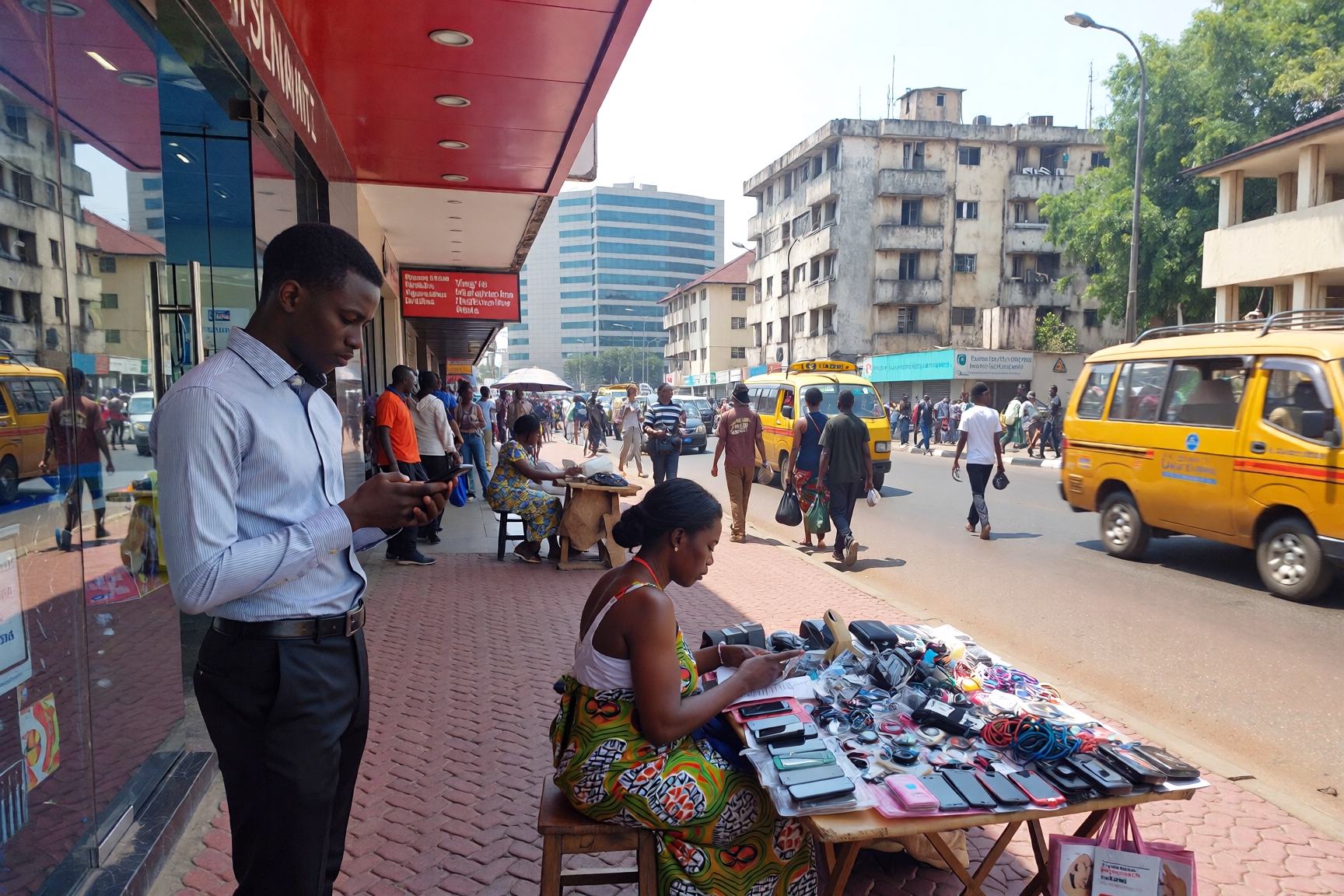
I still remember sitting in a Lagos bukka three years ago, chatting with a primary school teacher over a plate of jollof rice. She told me something that’s stayed with me ever since: “My salary looks good on paper, but by the time I’ve paid for transport, fed my children, and covered the unexpected expenses that always come up, I’m wondering if the numbers actually mean anything.” That conversation became the starting point for months of research into what is the average income in Nigeria, and years of professional reporting have taught me that understanding Nigerian income is far more complex than simply looking at figures in a spreadsheet.
The question of average income touches every Nigerian family in profoundly personal ways. Whether you’re a fresh graduate planning your career, a parent budgeting for your household, or an investor trying to understand the Nigerian market, knowing the real picture of what Nigerians earn matters enormously. After spending considerable time analysing data from the National Bureau of Statistics, interviewing workers across various sectors, and reviewing salary structures from Abuja to Port Harcourt, I’ve discovered that the story of Nigerian income reveals as much about our challenges as it does about our resilience.
What fascinates me most about this topic is how the numbers often tell two completely different stories depending on which angle you examine them from. The official statistics paint one picture, whilst the lived experience of millions of Nigerians tells another. Understanding both perspectives is essential for grasping the true economic reality facing Nigerian families today.
What is a Middle Class Income in Nigeria?
Defining middle class income in Nigeria requires us to move beyond simple salary figures and consider purchasing power, lifestyle maintenance costs, and the ability to save whilst meeting basic needs. I’ve interviewed dozens of Nigerians who identify as middle class, and their experiences reveal fascinating patterns.
The Nigerian middle class typically earns between ₦150,000 and ₦500,000 monthly in urban areas. But here’s where it gets interesting. That same income bracket might afford a comfortable lifestyle in Calabar or Kaduna whilst barely covering rent and transport in Lagos or Abuja.
I recently spoke with a mid-level banker in Lagos earning ₦280,000 monthly. She lives in a modest one-bedroom flat in Yaba (₦80,000 annual rent paid monthly), spends ₦50,000 on transport, another ₦60,000 on food, and finds herself constantly juggling the remaining funds between electricity bills, data subscriptions, and the endless requests from extended family members. Is she middle class? On paper, absolutely. In practice, she’s one major medical emergency away from serious financial strain.
The middle class in Nigeria demonstrates remarkable characteristics that distinguish them from both lower-income and wealthy Nigerians. They typically hold formal employment with regular salaries, possess tertiary education, maintain bank accounts, own or aspire to own property, and can afford occasional leisure activities. However, what separates Nigerian middle class from their counterparts in developed economies is the precariousness of their position.
Economic shocks hit the middle class particularly hard in Nigeria. The fuel subsidy removal, currency devaluation, and inflation spikes of recent years have devastated household budgets. According to data from the National Bureau of Statistics, inflation has significantly eroded purchasing power, meaning that salaries that once provided comfortable middle-class lifestyles now struggle to maintain the same standard of living.
Here’s something that surprised me during my research. Many Nigerians earning what should be comfortable middle-class salaries have developed multiple income streams out of necessity rather than ambition. The banker I mentioned? She also runs a small online boutique on Instagram. Her colleague drives for a ride-hailing service on weekends. This entrepreneurial hustle isn’t always about getting ahead. Often, it’s about staying afloat.
The National Salaries, Incomes and Wages Commission provides frameworks for public sector salaries, but the private sector operates with far more variation. Some companies pay above the middle-class threshold, whilst others offer salaries that barely qualify despite requiring similar qualifications and experience.
How Much Can $20 Get You in Nigeria?
Twenty dollars might not sound like much to international readers, but in Nigeria, it translates to approximately ₦35,000 to ₦36,000 at current exchange rates (and those rates have been rather volatile, frankly). What can you actually do with this amount? Let me walk you through the reality.
With ₦35,000, you could comfortably feed a single person for a week in most Nigerian cities if you’re cooking at home and shopping wisely at local markets. That’s buying rice, beans, garri, palm oil, fresh tomatoes, peppers, onions, some protein (chicken or fish), and vegetables. You won’t be dining on premium cuts of beef or imported cheeses, but you’ll eat reasonably well with varied, nutritious meals.
Transport is where things get interesting. In Lagos, ₦35,000 covers roughly two weeks of daily commuting for someone taking regular buses (danfo) from a suburb to Victoria Island and back. If you’re using ride-hailing services or your own car with current petrol prices, that same amount disappears in less than a week. I’ve watched colleagues literally calculate whether taking a taxi is worth skipping lunch that day.
Utilities and services present another picture entirely. That $20 won’t cover your monthly electricity bill if you’re running air conditioning regularly in any Nigerian city. It might pay for 50GB of mobile data, or cover a month’s subscription to a streaming service with some change left over for airtime.
Clothing and goods? You could buy a decent pair of shoes from a local market, or perhaps one reasonably nice outfit from a mid-range store. Forget about shopping at high-end boutiques in Lekki Phase 1 or Maitama. Three good-quality locally-made shirts might cost that much, or a reasonable handbag that’ll last you a few years with proper care.
Entertainment and leisure with $20 means choosing carefully. You might afford cinema tickets for two people at a nice cinema (around ₦6,000 each), with enough left over for popcorn and drinks. Or you could enjoy a modest meal at a mid-range restaurant with a companion, nothing fancy but pleasant enough. A full tank of petrol for a small car? That’ll consume most or all of your $20 depending on current pump prices.
Healthcare costs reveal the stark realities facing Nigerians. Basic consultation at a private clinic might cost ₦5,000 to ₦10,000, leaving some funds for basic medications. But any serious medical issue requiring hospitalization or advanced treatment quickly escalates beyond what $20 can touch. This is why medical emergencies devastate Nigerian household finances so frequently.
How Much is MTN Staff Salary?
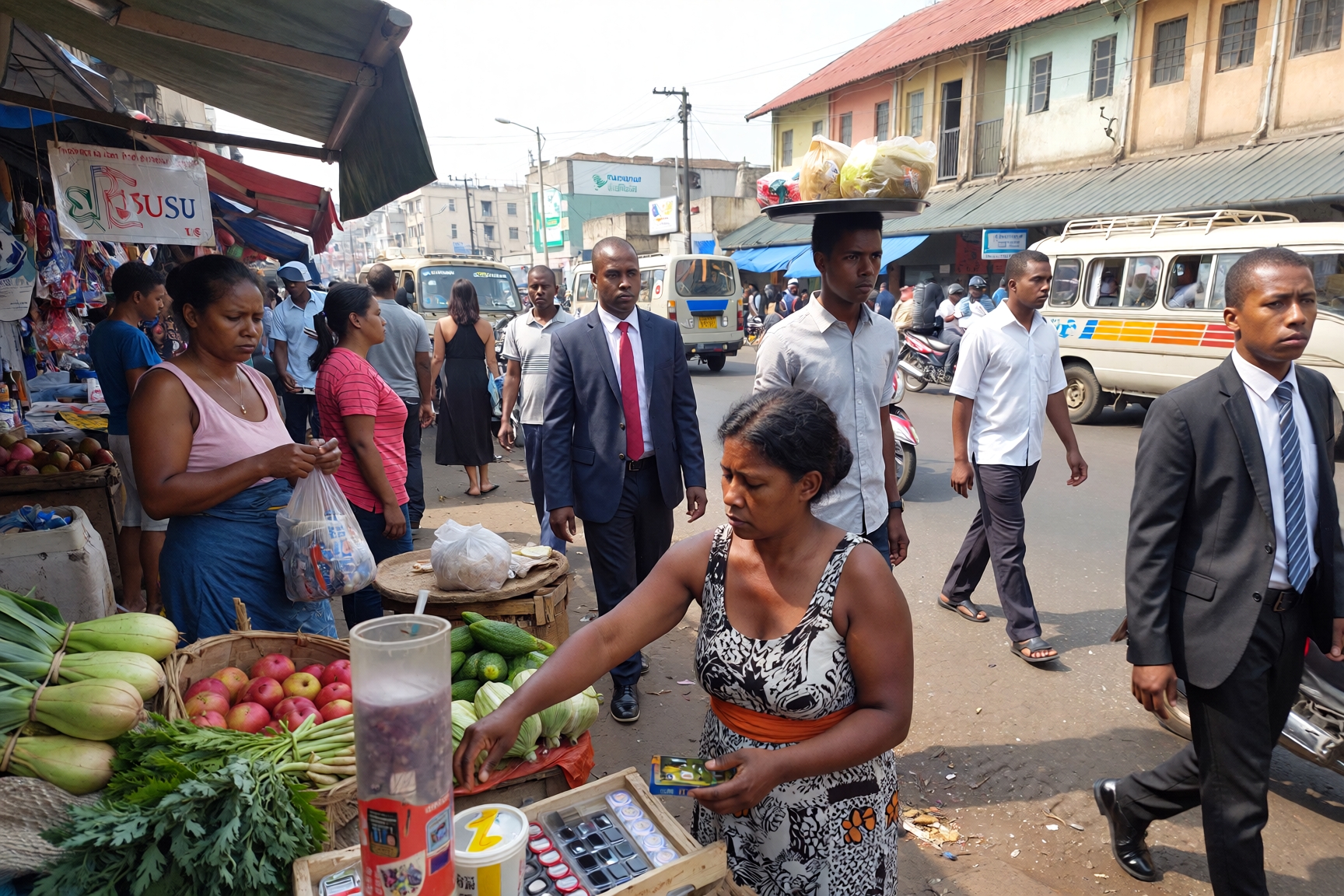
MTN Nigeria, as one of the country’s largest telecommunications companies and a highly sought-after employer, maintains salary structures that vary significantly based on position, experience, and responsibilities. Having interviewed current and former MTN employees over the years, I can share insights into their compensation packages that go beyond the basic figures you’ll find online.
Entry-level positions at MTN typically start between ₦150,000 and ₦250,000 monthly. These roles might include customer service representatives, junior analysts, or entry-level technical positions. The actual amount depends on your qualifications, the specific department, and sometimes your negotiation skills during the hiring process. One graduate trainee I spoke with started at ₦180,000 monthly in 2024, which she described as “decent but not spectacular” given Lagos living costs.
Mid-level positions at MTN command significantly higher salaries, ranging from ₦400,000 to ₦800,000 monthly. These roles include senior analysts, department supervisors, experienced engineers, and project managers. The compensation at this level often includes performance bonuses, which can add 20 to 30 percent to annual earnings if targets are met. A senior network engineer I interviewed earned ₦650,000 monthly with quarterly bonuses that sometimes reached ₦300,000.
Senior management and executive positions naturally occupy the upper salary tiers. Directors and senior managers typically earn between ₦1.5 million and ₦5 million monthly, plus substantial bonuses, allowances, and benefits. The Chief Executive Officer and C-suite executives command even higher compensation, sometimes reaching eight figures monthly when all benefits are calculated.
What makes MTN particularly attractive isn’t just the base salary but the comprehensive benefits package. Most employees receive health insurance covering themselves and immediate family members, life insurance, pension contributions exceeding the statutory minimum, annual leave allowances, and various other benefits that significantly enhance total compensation. Some positions include housing allowances, car allowances, or company vehicles depending on seniority.
MTN also operates a performance-based bonus system that can substantially increase annual earnings. High performers might receive bonuses equivalent to several months of salary, whilst even average performers typically see some bonus payment. This performance culture means that your actual annual income from MTN can be 15 to 40 percent higher than your base salary suggests.
Training and development opportunities add another dimension to MTN’s value proposition. The company invests in staff development through local and international training programmes, professional certifications, and skill enhancement courses. Whilst these don’t directly increase your salary, they significantly boost your long-term earning potential and career prospects.
What is the Average Income in Nigeria?
Right, let’s address this directly with the clarity it deserves. According to the most recent data from the National Bureau of Statistics, what is the average income in Nigeria varies dramatically depending on how you measure it, which sector you examine, and whether you’re looking at formal or informal employment. The official minimum wage was increased to ₦70,000 monthly in 2024, but this figure represents only the legal floor for formal sector employees, not the actual earnings of most Nigerians.
The statistical average monthly income for employed Nigerians hovers around ₦80,000 to ₦120,000 when you account for both formal and informal sectors. However, this figure masks enormous disparities. Nigeria’s income distribution resembles a pyramid with a very wide base, a narrow middle section, and an extremely tiny peak occupied by high earners.
In the formal sector, entry-level graduates typically earn between ₦50,000 and ₦150,000 monthly depending on industry and employer. Banking sector employees, oil and gas workers, and telecommunications staff generally earn at the higher end of this range, whilst retail, hospitality, and education sectors often pay considerably less. Teachers in many Nigerian states earn salaries barely above minimum wage despite their crucial societal role, something that troubles me deeply whenever I visit schools across the country.
Public sector workers face their own distinct salary reality. Federal civil servants earn according to the Consolidated Public Service Salary Structure (CONPSS), with Grade Level 07 (often the entry point for graduates) starting around ₦80,000 monthly before allowances. State and local government workers typically earn less, and salary payment delays remain a persistent problem in several states. I’ve interviewed teachers who’ve gone three or four months without pay, surviving through family support and side businesses.
The informal sector, which employs roughly 80 percent of Nigeria’s workforce according to World Bank data, operates entirely differently. Market traders, artisans, transporters, and small business owners don’t receive fixed monthly salaries but instead earn variable incomes depending on daily or weekly sales. A skilled mechanic in Lagos might earn ₦5,000 on a good day and nothing on a bad one. Over a month, their income might average ₦80,000 to ₦150,000, but the unpredictability creates enormous financial stress.
Regional variations in average income deserve serious consideration. Lagos State, as Nigeria’s commercial capital, maintains higher average incomes than most other states, but these come with proportionally higher living costs. A salary of ₦150,000 in Lagos provides roughly equivalent purchasing power to ₦80,000 in many northern states. Guardian Nigeria recently reported on how cost of living pressures are forcing workers to demand wage increases despite economic constraints.
The gender income gap remains a persistent feature of Nigerian earnings. Women typically earn 20 to 30 percent less than men in comparable roles, and this gap widens at senior management levels. Female workers also face greater barriers to accessing high-paying positions and industries. I’ve written extensively about Nigeria’s richest women, and whilst they represent inspiring success stories, they remain exceptional rather than typical.
Income Distribution Across Nigerian Sectors
| Sector | Average Monthly Income | Entry Level | Mid-Career | Senior Level | Notes |
|---|---|---|---|---|---|
| Oil & Gas | ₦350,000 | ₦180,000 | ₦500,000 | ₦2,000,000+ | Highest paying sector, concentrated in urban areas |
| Banking/Finance | ₦280,000 | ₦150,000 | ₦450,000 | ₦1,500,000+ | Performance bonuses can double annual income |
| Telecommunications | ₦250,000 | ₦150,000 | ₦400,000 | ₦1,200,000+ | Strong benefits packages |
| Engineering | ₦220,000 | ₦120,000 | ₦350,000 | ₦900,000+ | Varies by specialization |
| Healthcare | ₦180,000 | ₦100,000 | ₦300,000 | ₦800,000+ | Government hospitals pay less than private |
| Education | ₦95,000 | ₦50,000 | ₦150,000 | ₦400,000 | Private schools pay more than public |
| Retail/Hospitality | ₦75,000 | ₦40,000 | ₦120,000 | ₦300,000 | High turnover, limited benefits |
| Agriculture | ₦65,000 | ₦30,000 | ₦100,000 | ₦250,000 | Mostly informal, seasonal variations |
This table reveals the stark income inequality across Nigerian employment sectors. The highest-paying industries offer entry-level salaries that exceed the mid-career earnings of lower-paying sectors. This disparity drives young graduates towards banking, oil and gas, and telecommunications despite their actual interests or training sometimes lying elsewhere.
What is the Average Household Income in Nigeria?
Understanding average household income requires examining not just what individual earners make but how Nigerian families collectively generate and manage their financial resources. This is where the story becomes particularly interesting because Nigerian households operate quite differently from Western nuclear family models.
The typical Nigerian household includes more people than you might expect. Extended family structures mean that one household might include parents, children, grandparents, and sometimes nieces, nephews, or cousins. I’ve visited homes in Kano where fourteen people shared household expenses, and others in Enugu where a couple supported eight dependents beyond their own children. This reality fundamentally shapes how household income functions.
Average household income in Nigeria ranges from ₦150,000 to ₦300,000 monthly across all income levels, but this broad range masks enormous variation. Urban households typically report higher incomes than rural ones, though their expenses also run considerably higher. A Lagos household earning ₦400,000 might struggle more than a Sokoto household earning ₦200,000 due to drastically different cost structures.
Multiple income earners within households have become the norm rather than the exception. The traditional single-breadwinner model barely exists anymore in Nigerian urban areas. I recently interviewed a family in Abuja where the husband worked in civil service (₦180,000 monthly), the wife ran a catering business (averaging ₦120,000 monthly), their adult daughter worked in banking (₦220,000 monthly), and they rented out two rooms in their compound (₦60,000 monthly combined). Total household income: ₦580,000. Yet they described their financial situation as “manageable but tight” because they supported elderly parents, paid school fees for younger children, and maintained their property.
Household expenses in Nigeria consume income at alarming rates. Rent or mortgage typically takes 25 to 40 percent of household income in cities. Food costs another 30 to 40 percent for most families. Transport, utilities, education, healthcare, and other necessities consume the rest. Savings? For many Nigerian households, that’s an aspiration rather than a reality.
The informal economy plays a huge role in household income that official statistics struggle to capture accurately. Side businesses, weekend hustles, and unregistered commercial activities contribute substantially to many household budgets. That civil servant who also farms on weekends, the teacher who trades in foodstuffs, the banker who runs an online store, they’re not unusual. They’re typical.
Remittances from diaspora family members significantly boost some household incomes. I’ve met families where monthly remittances from relatives abroad (typically $100 to $500) make the difference between struggling and coping. These funds don’t appear in most income statistics but matter enormously to recipient households.
Rural household income operates under completely different dynamics. Agricultural households might earn minimal cash income during certain months but possess food security through their farms. Their effective income includes the value of food they produce and consume, which rarely appears in official statistics. A farmer earning ₦40,000 monthly in cash but producing food worth ₦80,000 that his family consumes is actually better off than the numbers suggest.
7 Practical Steps to Improve Your Income in Nigeria
Building higher income in Nigeria’s challenging economic environment requires strategic thinking, practical action, and realistic expectations. Here are seven steps I’ve seen work for Nigerians across different income levels and sectors:
Step 1: Invest in Skills That Pay
Start by identifying high-demand skills in Nigeria’s current job market. Technology skills (programming, data analysis, digital marketing), specialized professional services (accounting with international certifications, project management), and technical skills (electrical work, plumbing, welding done properly) all command premium wages. A friend of mine spent six months learning web development whilst working his regular job. Two years later, he’s earning triple his previous salary as a full-stack developer. The investment in his education cost ₦150,000 for an online course but transformed his earning potential permanently.
Step 2: Build Multiple Income Streams
The Nigerian economic reality demands income diversification. Start small with something that doesn’t interfere with your primary job. Buy items wholesale and sell them online. Offer consulting services in your area of expertise during weekends. Rent out spare room space or parking spots if you have them. These secondary incomes might start at just ₦20,000 to ₦50,000 monthly, but they provide crucial financial buffer and can grow substantially over time.
Step 3: Network Strategically
Many of Nigeria’s best opportunities come through professional networks rather than job advertisements. Attend industry events, join professional associations relevant to your field, maintain active LinkedIn presence, and cultivate relationships with people in positions to offer opportunities. I’ve seen countless Nigerians land jobs paying ₦500,000+ monthly through referrals rather than traditional applications. Your network isn’t just about knowing people but about being known for competence and reliability.
Step 4: Pursue Formal Education or Certification
Whilst experience matters enormously in Nigeria, formal credentials still open doors. Professional certifications (ACCA, CIMA, PMP, CISSP, etc.) often result in immediate salary increases of 30 to 50 percent. Master’s degrees can boost earning potential, though you should choose programmes carefully based on ROI. One accountant I interviewed earned ₦150,000 monthly before getting his ACCA. Two years after completing it, he earns ₦480,000 in the same company but different role.
Step 5: Negotiate Effectively
Many Nigerians accept initial salary offers without negotiation, leaving significant money on the table. Research typical salaries for your role using platforms like Glassdoor, Payscale, or through industry contacts. When receiving offers, express enthusiasm whilst asking for higher compensation backed by specific value you’ll bring. Even gaining an additional ₦20,000 monthly through negotiation adds up to ₦240,000 annually plus the psychological benefit of starting on stronger footing.
Step 6: Change Jobs Strategically
Salary increases within companies often lag behind market rates, particularly in Nigerian organizations. Changing jobs every three to five years typically results in faster income growth than staying with one employer for decades. However, make strategic moves to better opportunities rather than lateral shifts. Each move should increase your salary by at least 25 to 30 percent to justify the transition. Track your market value continuously and be prepared to move when substantially better opportunities arise.
Step 7: Start a Scalable Business
Whilst side hustles provide supplementary income, building a scalable business creates potential for income that far exceeds employment salaries. This doesn’t mean quitting your job immediately but rather developing business ideas that can grow beyond your personal time input. Digital businesses, manufacturing ventures with employees, or service businesses that can employ others all offer scaling potential. The market trader who expands to employ five other traders, the software developer who builds products rather than trading time for money, the caterer who opens a restaurant with staff, they’ve all created income potential beyond what employment offers.
Understanding Your Financial Position
Knowing your income is one thing. Understanding what it means for your financial life is quite another. I’ve met Nigerians earning ₦200,000 who live comfortably and others earning ₦500,000 who constantly struggle. The difference? Financial literacy, spending discipline, and realistic lifestyle expectations.
Start by calculating your actual monthly income from all sources. Include your salary, business profits, rental income, dividends, interest, everything. Then track your spending meticulously for at least two months. Most Nigerians who do this exercise discover they have no clear idea where 30 to 40 percent of their money actually goes. That breakfast bought on the way to work, the data bundles purchased impulsively, the contributions to endless social functions, they add up to substantial amounts.
Creating a realistic budget based on your actual income and expenses gives you control. Allocate funds to categories based on priorities: housing, food, transport, utilities, savings, discretionary spending. Then, here’s the hard part, actually stick to it. Use mobile apps like Mint, Cowrywise, or even simple Excel spreadsheets to track expenses against your budget.
Building an emergency fund should be your first financial priority after meeting basic needs. Aim for three to six months of living expenses saved in a readily accessible account. This fund protects you from the financial shocks that devastate Nigerian households: job loss, medical emergencies, unexpected major expenses. Start small if necessary, even ₦5,000 monthly adds up to ₦60,000 in a year.
Debt management requires serious attention in Nigeria’s high-interest environment. Credit card debt, quick loans, and informal borrowing can spiral into financial disaster quickly when interest rates reach 20 to 40 percent annually. If you carry debt, prioritize paying off the highest-interest obligations first whilst maintaining minimum payments on others. Avoid taking on new debt except for investments that generate returns exceeding the interest cost.
Investment strategy should align with your income level and financial goals. If you’re just building emergency funds, stick to savings accounts or money market funds offering 10 to 15 percent annually. As you accumulate capital, consider investments in Treasury Bills, mutual funds, real estate, or businesses. Understanding Nigeria’s economic context helps you make informed decisions about where to invest your money.
Pension planning deserves attention even for young workers. Nigeria’s Pension Reform Act mandates contributions, but many Nigerians don’t actively manage their pension funds or understand their value. Check your pension balance regularly, understand your Pension Fund Administrator’s performance, and consider additional voluntary contributions if your income allows.
The Broader Picture of Income and Inequality
Nigerian income statistics reveal uncomfortable truths about our society’s economic structure. The wealth gap isn’t just wide but widening. The richest 10 percent of Nigerians control a disproportionate share of national wealth, whilst the poorest 40 percent struggle to meet basic needs. This isn’t merely a statistical concern but a lived reality affecting millions of Nigerian families daily.
Regional income disparities compound inequality. Northern states generally report lower average incomes than southern states, though this pattern has exceptions. States with significant oil resources like Rivers, Bayelsa, and Delta show higher average incomes, whilst agricultural states like Zamfara, Yobe, and Sokoto report lower averages. These disparities reflect historical development patterns, resource distribution, and infrastructure investment levels.
Education correlates strongly with income in Nigeria. Nigerians with university degrees earn substantially more on average than those with only secondary education. Professional qualifications and specialized training further boost earning potential. This reality drives enormous pressure on Nigerian families to invest in education despite often crippling costs. I’ve interviewed parents who’ve sold property, taken loans, and made extraordinary sacrifices to fund their children’s education, viewing it as the surest path to better income.
Gender income inequality remains a persistent challenge. Women earn less than men across virtually all sectors and education levels. Cultural factors, discrimination, and disproportionate household responsibilities all contribute. Yet I’ve also witnessed remarkable progress, particularly in sectors like banking, telecommunications, and professional services where performance-based compensation reduces gender gaps. The rise of wealthy Nigerian women in business and entrepreneurship offers inspiration, though systemic barriers remain.
Youth unemployment and underemployment present perhaps Nigeria’s most pressing economic challenge. Millions of educated young Nigerians can’t find jobs matching their qualifications, forcing them into informal sector work or prolonged unemployment. This wasted potential represents both personal tragedy and national economic loss. The frustration of earning a degree only to discover your employment prospects remain limited crushes ambitions and drives emigration.
Moving Forward: Income Growth and Economic Hope
Despite the challenges I’ve documented throughout this article, I remain cautiously optimistic about Nigerian income prospects. Why? Because I’ve witnessed Nigerian resilience, creativity, and entrepreneurial spirit overcome obstacles that would crush less determined people.
The technology sector offers genuine hope for income growth. Nigerian tech companies are creating thousands of jobs paying international-standard salaries. Software developers, product designers, data scientists, and digital marketers command compensation that rivals or exceeds traditional high-paying sectors. This trend will likely accelerate as more global companies establish Nigerian operations.
Entrepreneurship continues thriving despite difficult business environments. Nigerians start businesses at remarkable rates, and whilst many fail, some succeed spectacularly. The next generation of Nigerian billionaires is being created right now by entrepreneurs solving local problems with innovative solutions. Supporting this entrepreneurial ecosystem through better policies, access to capital, and infrastructure investment could transform income prospects for millions.
Economic diversification beyond oil presents long-term income opportunities. Agriculture, manufacturing, creative industries, tourism, and other sectors all hold potential for substantial job creation and income growth. The challenge lies in making these sectors productive enough to support competitive wages whilst remaining profitable.
International integration offers another income growth avenue. As Nigerian professionals gain recognition globally, remote work opportunities paying international rates become accessible. I know several Nigerians earning $50,000 to $100,000 annually working remotely for foreign companies whilst living in Nigeria. This trend could significantly boost incomes for skilled workers.
Policy reforms that improve business environment, reduce corruption, and enhance infrastructure would unlock income growth across all sectors. Reliable electricity, efficient transport networks, simplified business registration, and enforced contract laws would dramatically improve productivity and earning potential. These changes require political will and sustained implementation, but the potential benefits are enormous.
Understanding what drives wealth in Nigeria and examining broader economic patterns across African societies provides valuable context for income discussions. These factors interact in complex ways that shape earning opportunities for all Nigerians.
Conclusion: Making Sense of Nigerian Income Reality
What is the average income in Nigeria? The question that opened this article deserves a nuanced answer reflecting the complexity I’ve explored over thousands of words. The statistical average hovers around ₦80,000 to ₦120,000 monthly, but this figure barely captures the lived reality of Nigerian workers navigating informal economies, multiple income streams, and enormous regional variations.
More important than knowing the average is understanding what your income means for your life and how you can improve it. Nigeria’s economic challenges are real and substantial, but so are the opportunities for those who strategically develop valuable skills, build multiple income sources, and maintain financial discipline. The path to higher income rarely runs straight, but it remains navigable for determined individuals.
The broader picture reveals a society grappling with inequality, unemployment, and economic volatility whilst simultaneously demonstrating remarkable resilience and entrepreneurial energy. Understanding this duality, acknowledging both challenges and possibilities, offers the most honest assessment of Nigerian income reality. What you earn matters enormously, but how you manage it, what you do to increase it, and how you position yourself for future opportunities matter just as much.
Key Takeaways:
- Average Nigerian income ranges from ₦80,000 to ₦120,000 monthly, with enormous variation by sector, location, and employment type.
- Building multiple income streams and continuously developing marketable skills provide the most reliable path to income growth in Nigeria’s challenging economic environment.
- Understanding your true financial position through budgeting, emergency fund building, and strategic planning matters more than your absolute income level for achieving financial stability.
Related Reading on Nigerian Economics
For deeper understanding of Nigeria’s economic landscape, I recommend reading about who holds Nigeria’s greatest wealth, which examines wealth distribution patterns across different groups and regions. You might also find valuable insights in my article about Nigeria’s wealthiest women, which explores how successful Nigerian businesswomen built their fortunes and what lessons aspiring entrepreneurs can learn from their journeys.
FAQs About Average Income in Nigeria
What is the Average Income in Nigeria?
The average monthly income in Nigeria ranges from ₦80,000 to ₦120,000 when accounting for both formal and informal sectors, though this varies significantly by industry, location, and employment type. This figure represents a statistical average that masks enormous disparities, with some sectors paying well above this amount whilst others pay considerably less.
How Much Do Nigerian Workers in Banking Earn?
Entry-level banking staff typically earn ₦150,000 to ₦250,000 monthly, whilst mid-career bankers make ₦400,000 to ₦800,000, and senior management commands ₦1.5 million to ₦5 million monthly. Banking remains one of Nigeria’s highest-paying sectors, with performance bonuses potentially adding 20 to 40 percent to base salaries annually.
What is Considered a Good Salary in Lagos?
A salary of ₦250,000 to ₦500,000 monthly is generally considered good in Lagos, providing the ability to rent decent accommodation, cover transport costs, maintain reasonable lifestyle, and save modest amounts. However, cost of living in Lagos is substantially higher than most Nigerian cities, so this amount provides similar purchasing power to ₦150,000 to ₦300,000 in smaller cities.
How Much Do Nigerian Teachers Earn?
Public school teachers typically earn ₦50,000 to ₦150,000 monthly depending on qualifications, experience, and state of employment, whilst private school teachers might earn ₦60,000 to ₦250,000 with international schools paying significantly more. Teacher salaries remain among the lowest for graduate positions despite their crucial societal role, contributing to educational challenges.
What is the Minimum Wage in Nigeria?
Nigeria’s national minimum wage was increased to ₦70,000 monthly in 2024, up from the previous ₦30,000. This applies to formal sector employees, though enforcement remains inconsistent, and many states struggle to implement the new minimum due to financial constraints affecting their ability to pay civil servants.
How Much Can You Save on Nigerian Income?
Most Nigerians can save 5 to 15 percent of monthly income after covering essential expenses, though this varies enormously by income level and family circumstances. Higher earners can potentially save 20 to 30 percent, whilst lower-income workers often struggle to save anything due to the high proportion of income consumed by basic needs.
What Sectors Pay the Highest Salaries in Nigeria?
Oil and gas, banking and finance, telecommunications, and technology sectors consistently offer the highest salaries in Nigeria, with average earnings 2 to 4 times higher than national averages. These sectors also typically provide better benefits packages, job security, and career progression opportunities compared to other industries.
How Does Nigerian Income Compare to Other African Countries?
Nigeria’s average income falls in the middle range for African countries, higher than many West African nations but lower than South Africa, Botswana, and North African countries. The comparison becomes more meaningful when adjusted for purchasing power and cost of living, which vary dramatically across the continent.
What is the Average Household Income in Nigeria?
Nigerian household income typically ranges from ₦150,000 to ₦300,000 monthly across all income levels, often comprising multiple earners including employed family members, business owners, and rental income sources. Extended family structures mean households frequently include more dependents than nuclear family models, affecting per-capita income calculations.
How Much Do Nigerian Civil Servants Earn?
Federal civil servants earn according to the Consolidated Public Service Salary Structure, with entry-level graduates (Grade Level 07) starting around ₦80,000 monthly before allowances, whilst senior directors earn ₦500,000 to ₦1.2 million monthly. State and local government workers typically earn 20 to 40 percent less than federal counterparts in comparable positions.
Can You Live Comfortably on ₦100,000 in Nigeria?
Living on ₦100,000 monthly is challenging in major cities like Lagos or Abuja but more feasible in smaller cities or if you have family support reducing housing costs. This amount typically covers basic needs but leaves minimal room for savings, leisure activities, or unexpected expenses, requiring careful budgeting and financial discipline.
What Percentage of Nigerians Earn Above ₦500,000 Monthly?
Approximately 5 to 8 percent of Nigerian workers earn above ₦500,000 monthly, concentrated primarily in oil and gas, senior banking positions, telecommunications management, successful entrepreneurship, and expatriate roles. This small percentage controls a disproportionate share of national income, reflecting significant wealth inequality.