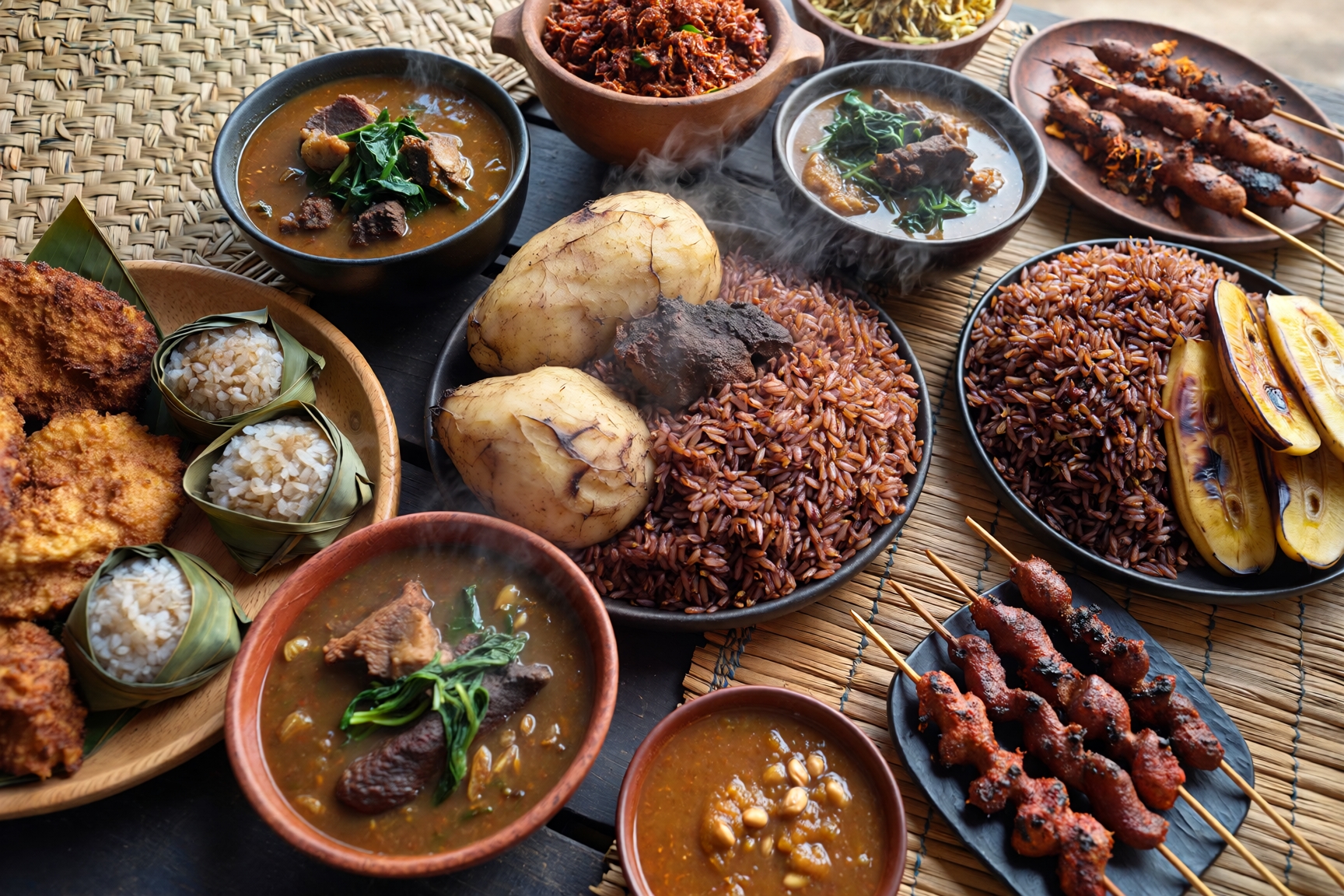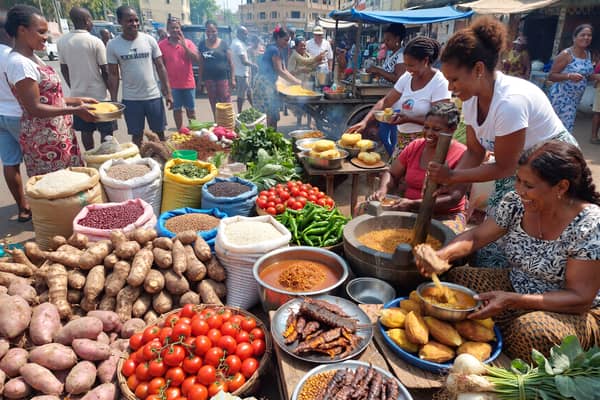
I still remember the first time I walked through a Lagos street market at dawn, watching vendors arrange pyramids of tomatoes whilst the aroma of freshly ground pepper filled the air. That sensory experience changed how I understood Nigerian identity forever. After spending years researching food culture in Nigeria and documenting culinary traditions across all 36 states, I’ve learnt that what is the food culture in Nigeria isn’t just about what we eat but how food weaves through every aspect of our social fabric, from naming ceremonies to political negotiations.
Food culture in Nigeria represents the collective practices, beliefs, and traditions surrounding how Nigerians produce, prepare, share, and celebrate meals. It’s a living testament to over 250 ethnic groups, each contributing unique flavours and techniques that have evolved over centuries.
This article represents months of research into Nigerian culinary anthropology and years of personal experience attending traditional ceremonies, interviewing local chefs, and exploring food markets from Sokoto to Calabar.
Understanding the Definition of Food Culture in Nigerian Context
Food culture encompasses far more than recipes and ingredients. It’s the entire ecosystem of beliefs, rituals, agricultural practices, and social conventions that surround eating.
In Nigerian terms, food culture includes how we greet guests with kola nuts, why certain soups are reserved for special occasions, and the unwritten rules about who eats first at family gatherings. According to the National Bureau of Statistics, food expenditure accounts for approximately 56.7% of household spending in Nigeria, highlighting how central food remains to Nigerian life.
When I interviewed elderly women in Osun State about their cooking methods, they didn’t just share recipes. They shared stories about their grandmothers, proverbs about patience (because good egusi soup cannot be rushed!), and explanations of how certain dishes connect to seasonal festivals.
The Federal Ministry of Agriculture and Rural Development recognises food culture as integral to Nigeria’s agricultural heritage and national identity. Their documentation of traditional farming methods shows how cultivation practices directly influence what ends up on Nigerian plates.
Food culture operates on multiple levels simultaneously. There’s the individual level (your family’s specific way of preparing jollof rice), the ethnic level (Yoruba, Igbo, or Hausa culinary traditions), the regional level (Northern versus Southern cooking styles), and the national level (dishes like jollof rice that unite Nigerians despite regional variations).
The National Council for Arts and Culture has worked to preserve these culinary traditions, recognising that every soup recipe, every pounding technique, and every food custom carries historical and cultural weight that deserves protection.
What Cultural Foods Define the Nigerian Experience?
The cultural foods in Nigeria read rather like a geographic and ethnic map of the country. Each dish tells a story about the people who created it, the land that nurtured its ingredients, and the history that shaped its preparation.
Let me walk you through Nigeria’s most significant cultural foods, organized by region and ethnic group.
Northern Nigerian Specialties
The Hausa-Fulani peoples of Northern Nigeria have given us tuwo (a thick pudding made from millet, sorghum, or maize flour), fura da nono (spiced millet balls in fermented milk), and kilishi (spiced dried meat similar to beef jerky). These foods reflect the semi-arid climate and pastoral traditions of the region.
Miyan taushe (pumpkin stew) and miyan kuka (baobab leaf soup) showcase how Northern cooks transform locally available ingredients into nourishing meals. I’ve watched Hausa women prepare miyan taushe, and the patience required to properly season and blend the pumpkin into silky smoothness is remarkable.
Eastern Nigerian Delicacies
The Igbo people have contributed some of Nigeria’s most complex and labour-intensive dishes. Ofe onugbu (bitter leaf soup), ofe nsala (white soup), and abacha (African salad made from shredded cassava) require specific techniques passed down through generations.
What strikes me about Igbo culinary culture is the emphasis on communal preparation. Making nkwobi (spiced cow foot) or ugba (fermented oil bean seeds) isn’t a solo activity but rather an opportunity for women to gather, share news, and teach younger generations.
Western Nigerian Contributions
Yoruba cuisine has perhaps the widest variety of “swallow” foods (starchy dishes eaten with soups). Amala (yam flour), iyan (pounded yam), eba (garri), and fufu all originate from or are perfected by Yoruba cooks.
The soups are equally diverse. Efo riro (vegetable soup), gbegiri (bean soup), ewedu (jute leaf soup), and banga soup each have their occasions and proper accompaniments. There’s an art to knowing which soup pairs with which swallow, and getting it wrong at a Yoruba gathering will certainly spark friendly teasing!
Southern Nigerian Specialties
The coastal regions, home to Efik, Ibibio, and Ijaw peoples, excel in seafood preparations. Edikang ikong (vegetable soup with pumpkin leaves and waterleaf), afang soup (wild spinach soup), and fisherman soup showcase the bounty of rivers and ocean.
These soups are rich (loaded with periwinkles, dried fish, stockfish, and various meats) and represent the prosperity associated with fishing communities. The preparation methods involve careful attention to layering flavours, with each ingredient added at precisely the right moment.
Pan-Nigerian National Dishes
Some dishes transcend ethnic boundaries and have become truly national. Jollof rice (tomato-based rice dish), moin-moin (steamed bean pudding), suya (spiced grilled meat), and pepper soup appear across Nigeria with regional variations.
The famous one-pot rice dish has become such a cultural touchstone that world record attempts celebrating it now make international headlines. These playful food rivalries actually strengthen our shared culinary culture, even when regional cooking competitions spark fierce debates about whose version reigns supreme!
The Three Main Cultures Shaping Nigerian Food Traditions
What are the three main cultures in Nigeria that most influence food culture? This question deserves careful consideration because whilst Nigeria has over 250 ethnic groups, three major cultural blocks dominate the culinary landscape.
Hausa-Fulani Culture (Northern Nigeria)
The Hausa-Fulani represent Nigeria’s largest ethnic group, predominantly in Northern states like Kano, Kaduna, Sokoto, and Katsina. Islamic culture heavily influences their food practices, including halal meat preparation and the avoidance of alcohol.
Their cuisine reflects both agricultural traditions (millet, sorghum, groundnuts) and pastoralism (dairy products, beef). The famous fura da nono combines both, with millet balls floating in fermented cow’s milk creating a cooling drink perfect for the hot Northern climate.
Hospitality in Hausa-Fulani culture centers around sharing food. When I visited Kano for a wedding ceremony, the sheer quantity of rice, meat, and tuwo prepared for guests was staggering. No one leaves a Hausa household hungry!
Igbo Culture (South-Eastern Nigeria)
The Igbo, predominantly in states like Anambra, Enugu, Imo, Abia, and Ebonyi, have perhaps the most diverse range of soups in Nigeria. Their food culture emphasizes fresh ingredients, complex flavour profiles, and labor-intensive preparation methods.
Christianity influences Igbo food culture, though traditional practices like the New Yam Festival (Iri ji) remain culturally important. This annual celebration honors the yam harvest with elaborate ceremonies and feasting. The oldest man in the community always eats the first new yam, symbolizing the connection between food, spirituality, and community hierarchy.
Igbo cuisine uses ingredients like ogiri (fermented locust beans), achi (thickening agent), and uziza seeds (spicy pepper seeds) that require specialized knowledge to prepare properly. These ingredients create the distinctive flavours that make Igbo soups unforgettable.
Yoruba Culture (South-Western Nigeria)
The Yoruba, found primarily in Lagos, Oyo, Osun, Ogun, Ondo, and Ekiti states, have developed Nigeria’s most elaborate “swallow” culture. They’ve perfected the art of turning yams, cassava, and plantains into smooth, elastic puddings that pair beautifully with various soups.
Yoruba food culture emphasizes presentation and variety. A proper Yoruba party might serve five different soups with three types of swallow, giving guests choices that would overwhelm outsiders! This abundance reflects Yoruba values about hospitality and social status.
The Yoruba proverb “Oun ta o je l’agba oun ta o se” (What we want to eat is superior to what we want to do) perfectly captures how central food is to Yoruba identity. Nothing takes precedence over proper nourishment.
Regional Culinary Characteristics Across Nigeria
| Region | Primary Ethnic Groups | Signature Dishes | Key Ingredients | Cooking Methods |
|---|---|---|---|---|
| North-West | Hausa-Fulani | Tuwo, Fura da nono, Danwake | Millet, sorghum, groundnuts, dairy | Boiling, fermenting, sun-drying |
| North-East | Kanuri, Fulani | Miyan kuka, Kilishi, Dambun nama | Baobab leaves, beef, dried grains | Grilling, drying, pounding |
| North-Central | Tiv, Nupe, Gbagyi | Kunu, Awara, Pate | Maize, soybeans, rice, fish | Fermenting, frying, steaming |
| South-West | Yoruba | Amala, Efo riro, Gbegiri | Yam flour, vegetables, beans, palm oil | Pounding, blending, slow cooking |
| South-East | Igbo | Ofe onugbu, Abacha, Ukwa | Bitter leaf, cassava, African breadfruit | Extended simmering, fermentation |
| South-South | Efik, Ijaw, Urhobo | Edikang ikong, Banga soup, Fisherman soup | Waterleaf, palm fruit, fresh seafood | Boiling, grinding, rich broths |
This table demonstrates how geography, climate, and ethnic traditions combine to create distinct regional food cultures. Northern regions rely more on grains and dried ingredients suited to their climate, whilst Southern regions exploit abundant vegetables and seafood from their wetter, more tropical environment. Each region’s cooking methods have evolved to maximize flavour whilst accommodating available fuel sources and local ingredients.
Examples of Cultural Foods That Tell Nigerian Stories
What is an example of a cultural food that embodies Nigerian identity? Let me share several that illustrate different aspects of our food culture.
Pounded Yam with Egusi Soup
This combination represents perhaps the most iconic Nigerian meal. The preparation of pounded yam involves physical labor (pounding boiled yam with a mortar and pestle until smooth) that has become a metaphor for hard work and dedication.
I’ve watched this process countless times, and there’s a rhythm to it. The person pounding and the person turning the yam must work in perfect synchronization, rather like a well-rehearsed dance. When served to guests, pounded yam signals respect and proper hospitality.
Egusi soup (made from ground melon seeds) accompanies it beautifully, with its rich, nutty flavour and thick consistency. The soup always contains significant protein (beef, goat, dried fish, stockfish) and vegetables, making it nutritionally complete.
Jollof Rice
No discussion of Nigerian cultural food would be complete without jollof rice. This one-pot dish of rice cooked in a spiced tomato sauce has become West Africa’s most famous culinary export, and food enthusiasts regularly gather to celebrate this beloved dish across the continent.
But jollof rice means different things to different Nigerians. A Lagos party jollof (cooked in large pots over wood fire, slightly burnt at the bottom for that coveted “party rice” flavour) differs completely from home-style jollof. Wedding jollof occupies its own category, often judged as the measure of whether the event was properly hosted!
The cultural significance extends beyond taste. Serving jollof rice at gatherings signals celebration, plenty, and the host’s commitment to feeding guests properly. Not having jollof rice at a Nigerian party would be rather like having a birthday party without cake.
Pepper Soup
Pepper soup holds a unique place in Nigerian food culture because it serves both culinary and medicinal purposes. Different variations exist across ethnic groups, but all share the characteristic peppery, aromatic broth.
Goat meat pepper soup, fish pepper soup, catfish pepper soup, even cow leg (nkwobi) pepper soup each have their occasions. New mothers receive pepper soup to restore strength after childbirth. Funeral attendees might be served pepper soup with stronger spirits. Pub patrons order pepper soup to accompany cold drinks.
The medicinal beliefs surrounding pepper soup reflect traditional African understanding of food as medicine. The various spices (alligator pepper, African nutmeg, ehuru seeds) are believed to have healing properties beyond simple nutrition.
7 Steps to Understanding and Appreciating Nigerian Food Culture
Learning to navigate Nigerian food culture requires more than just eating Nigerian dishes. Here’s how to develop genuine understanding and appreciation:
1. Study the Ethnic Diversity
Begin by learning about Nigeria’s major ethnic groups and their geographic distribution. Understanding that Hausa-Fulani dominate the North, Igbo the Southeast, and Yoruba the Southwest provides context for why foods vary so dramatically across regions.
Read about each group’s history, migration patterns, and traditional livelihoods. Agricultural peoples developed different cuisines than pastoral peoples. Coastal communities eat differently than inland communities. This geographic and historical knowledge makes food variations logical rather than confusing.
2. Learn Food Etiquette and Table Manners
Nigerian food culture includes specific etiquette rules that outsiders must understand. Always wash hands before eating (many dishes are eaten with hands). Use your right hand only for eating and passing food. Wait for elders to begin eating before you start.
When sharing a communal bowl, eat only from the section directly in front of you. Don’t reach across to another person’s section. Take modest portions of shared meat or fish unless specifically offered more by the host.
These rules aren’t arbitrary. They reflect values about respect, hygiene, community, and social hierarchy that have developed over generations.
3. Experience Market Culture
Nigerian food culture doesn’t begin in the kitchen but in the market. Visit traditional markets like Oshodi Market in Lagos, Ariaria Market in Aba, or Kurmi Market in Kano to see the raw ingredients that fuel Nigerian cuisine.
Watch how vendors and customers negotiate prices. Observe which ingredients command premium prices (stockfish, dried prawns, palm oil) and which are considered basic staples (garri, beans, rice). Notice how the season affects availability and pricing.
Market shopping is social activity, not just transaction. The relationships between regular customers and particular vendors matter enormously. My mother has bought tomatoes from the same woman for twenty years, and that relationship includes credit arrangements, recipe advice, and personal updates that would seem strange to supermarket shoppers.
4. Participate in Food Preparation
Nigerian cooking requires techniques rarely seen in Western cuisines. Learn to pound yam properly (it’s harder than it looks!). Practice the stirring motion needed for smooth eba. Master the art of seasoning soups to proper spice levels.
These aren’t skills you acquire from watching YouTube tutorials alone. They require hands-on practice, ideally with someone experienced guiding you. The weight of the pestle, the angle of the mortar, the consistency you’re aiming for – all these require physical experience.
I spent months practicing pounded yam before producing anything remotely acceptable. My shoulders ached, my timing was terrible, and my early attempts looked more like lumpy mashed potatoes than proper iyan. But persistence pays off!
5. Attend Cultural Ceremonies and Celebrations
Food culture reveals itself most clearly during ceremonies. Weddings, naming ceremonies, funerals, and festivals all have specific food requirements that teach you about cultural values and priorities.
Notice which foods appear at which events. Observe how food is distributed (elders first, men before women in some cultures). Pay attention to the hierarchy of dishes (which soups are “everyday” and which are “special occasion”).
These events also teach you about hospitality standards. A Nigerian host considers it shameful if guests leave hungry, so food appears in quantities that might shock visitors from cultures with different hospitality norms.
6. Learn the Stories Behind Dishes
Every Nigerian dish has a story. Why is pounded yam considered superior to other starches in many cultures? What makes bitter leaf soup medicinal beyond its nutritional content? Why do certain ethnic groups avoid particular foods?
These stories connect food to history, spirituality, health beliefs, and social structures. They transform eating from mere sustenance into cultural participation. When you know that New Yam Festival celebrates not just harvest but spiritual connections to ancestors and land, eating yam becomes a more meaningful act.
7. Practice Sharing and Communal Eating
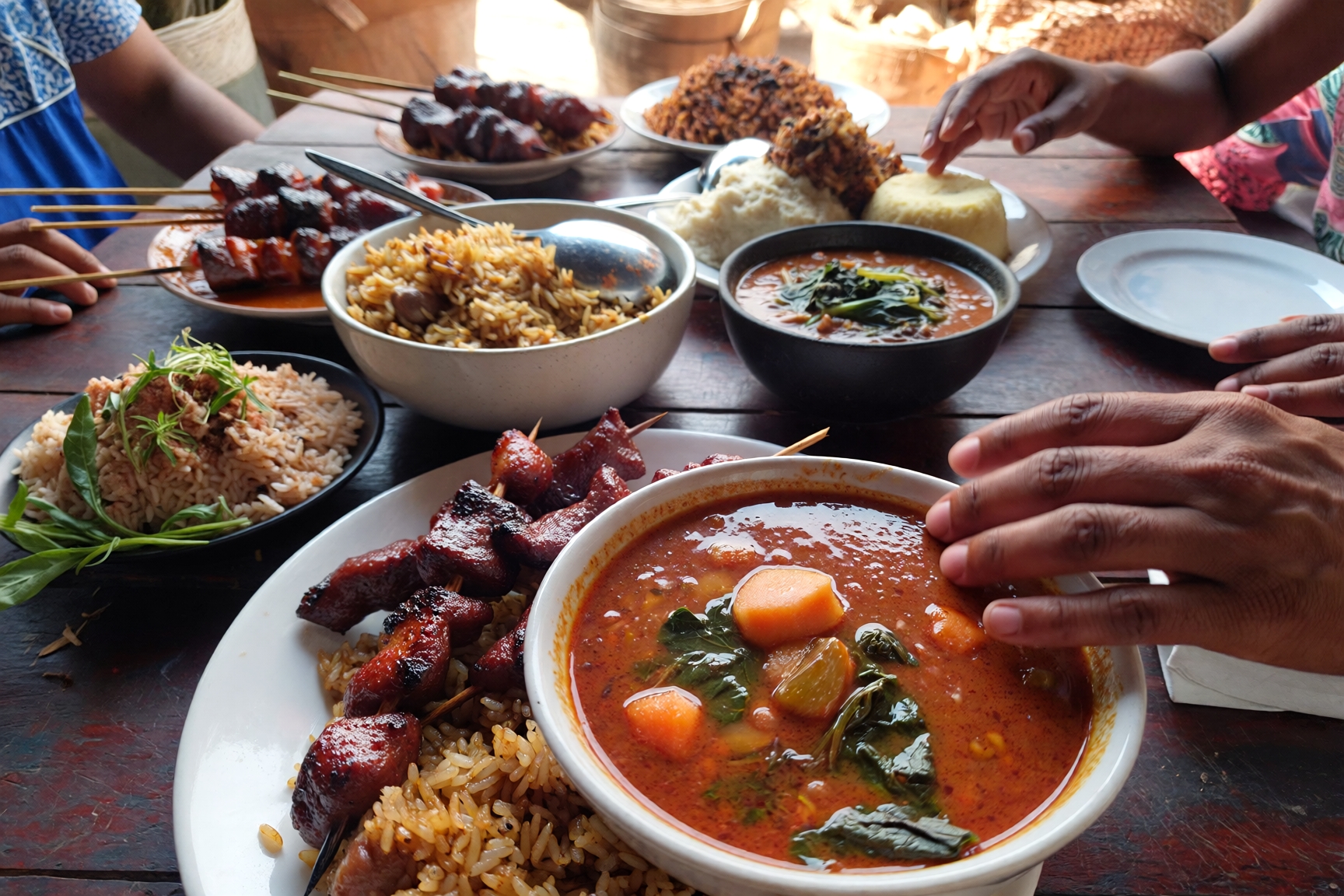
Nigerian food culture emphasizes sharing over individual portions. Multiple people eating from one large bowl isn’t poverty or lack of plates but rather a deliberate cultural practice that builds community.
Practice eating communally. Learn to moderate your pace so you don’t eat faster than others sharing your bowl. Develop the etiquette of leaving the best pieces of meat or fish for others as a sign of respect and generosity.
This communal approach extends beyond the physical act of sharing food. It represents Nigerian values about collective well-being, social bonds, and the idea that nourishment is both physical and social.
What is the Food Culture in Nigeria? A Comprehensive Answer
Food culture in Nigeria encompasses the entire system of beliefs, practices, traditions, and social conventions surrounding how Nigerians produce, acquire, prepare, serve, and consume food. It represents one of the most complex and diverse food cultures in Africa.
At its core, Nigerian food culture operates on several interconnected levels. The individual level includes your family’s specific recipes and cooking techniques passed down through generations. My grandmother’s egusi soup tasted different from my aunt’s, even though both were Yoruba women using similar ingredients. These individual variations create family food identity.
The ethnic level introduces broader patterns. Igbo food culture differs systematically from Hausa-Fulani food culture in ingredients, preparation methods, meal timing, and social conventions around eating. These ethnic distinctions remain strong despite decades of internal migration and urbanization.
The regional level adds another layer. Southern Nigerian food culture, regardless of specific ethnic group, shares characteristics (heavy use of palm oil, preference for pounded starches, abundance of leafy vegetable soups) that distinguish it from Northern food culture (grain-based starches, groundnut-based soups, dairy products).
The national level encompasses dishes and practices that transcend ethnic and regional boundaries. Jollof rice, suya, and moin-moin appear across Nigeria with local variations. The practice of offering kola nut to guests occurs in multiple ethnic groups. The emphasis on feeding guests generously appears pan-Nigerian.
Nigerian food culture is fundamentally social rather than individual. Meals are occasions for gathering, conversation, relationship-building, and status display. The quality and quantity of food you serve guests communicates messages about your respect for them, your social standing, and your adherence to cultural values.
Time spent on food preparation demonstrates love and respect. Quick meals serve functional purposes, but important occasions demand hours of preparation. The labour involved in pounding yam, in carefully layering flavours in a complex soup, in hand-grinding peppers on a stone – this labour carries meaning beyond mere nutrition.
Food culture includes unspoken rules about hierarchy and respect. Elders eat first or receive the best portions. Men might eat separately from women in some contexts. Children learn their place in the social order partly through food distribution patterns.
Religious influences shape Nigerian food culture significantly. Islamic dietary laws influence Northern cuisines. Christian denominations have their food practices. Traditional African religions connect certain foods to spiritual practices and ancestor veneration.
Economic realities intersect with cultural preferences. The National Bureau of Statistics data showing 56.7% of household spending goes to food reveals how central food remains to Nigerian life, even when it creates economic strain. Food choices reflect not just taste but affordability, availability, and seasonal variations.
Conclusion: Celebrating Nigeria’s Rich Culinary Heritage
What is the food culture in Nigeria? It’s the beating heart of Nigerian identity, the thread that weaves through every celebration, ceremony, and daily interaction. After years of research and countless meals shared across this magnificent country, I’m convinced that understanding Nigerian food culture provides a window into the soul of our nation.
Nigerian food culture represents resilience, creativity, and the beautiful complexity that emerges when over 250 ethnic groups maintain their culinary traditions whilst simultaneously creating shared national dishes. It’s both deeply local (your grandmother’s specific way of preparing egusi) and gloriously national (the jollof rice debate that unites us in friendly rivalry).
The future of Nigerian food culture looks bright. Young chefs are innovating whilst respecting tradition. Diaspora Nigerians are introducing our cuisines to global audiences. Food tourism is growing as people recognize that Nigerian food culture deserves the same attention as our music, literature, and art.
My hope is that this article helps you appreciate the depth, diversity, and cultural significance of Nigerian food culture. Whether you’re Nigerian seeking to understand your own heritage more deeply, or an outsider hoping to appreciate Nigerian cuisine beyond just eating it, remember that every soup, every starch, every spice carries centuries of history and cultural meaning.
Key Takeaways:
- Nigerian food culture operates on multiple interconnected levels (individual, ethnic, regional, national) with over 250 ethnic groups contributing unique culinary traditions whilst sharing common values about hospitality, communal eating, and food as social expression.
- The three major cultural blocks (Hausa-Fulani, Igbo, Yoruba) dominate Nigeria’s culinary landscape with distinct ingredients, preparation methods, and food customs shaped by geography, climate, religion, and historical traditions.
- True appreciation of Nigerian food culture requires understanding the stories, ceremonies, etiquette, and social conventions surrounding food, not just tasting the dishes, as food functions simultaneously as nutrition, medicine, social currency, and cultural identity marker.
Exploring More Nigerian Cultural Topics
Understanding Nigerian food culture connects naturally to broader questions about Nigerian society and identity. The same diversity that creates our remarkable culinary landscape also shapes other aspects of our national character.
If you’ve found this exploration fascinating, you might enjoy learning about wealth distribution patterns across Nigeria’s diverse population, which reveals how economic opportunities and entrepreneurial traditions vary across ethnic groups. Similarly, understanding who holds positions of wealth and influence in contemporary Nigeria provides context for how food culture intersects with social status and celebration in Nigerian society.
These economic realities influence everything from what ingredients appear in markets to how lavishly Nigerians can afford to celebrate with food at ceremonies and gatherings.
Frequently Asked Questions About Nigerian Food Culture
What is food culture and why is it important in Nigeria? Food culture encompasses the beliefs, practices, traditions, and social conventions surrounding how people produce, prepare, and consume food. In Nigeria, food culture is critically important because it serves as a primary marker of ethnic identity, facilitates social bonding through communal eating, and transmits cultural values across generations through cooking techniques and meal etiquette passed from elders to youth.
What are the main characteristics of Nigerian food culture? Nigerian food culture is characterized by communal eating practices, elaborate hospitality expectations, the use of “swallow” foods (smooth starches) paired with richly flavored soups, heavy reliance on palm oil and peppers in Southern regions, grain-based starches in Northern regions, and the social significance of food preparation time as an expression of love and respect. Food functions simultaneously as nutrition, medicine, social currency, and cultural identity marker across Nigeria’s diverse ethnic landscape.
How does Nigerian food culture differ from other African food cultures? Nigerian food culture stands out for its exceptional diversity (over 250 ethnic groups with distinct culinary traditions), its emphasis on labour-intensive preparation methods like pounding yam, its development of the “swallow and soup” eating format, and its fierce regional pride in specific dishes like jollof rice. Unlike some African cultures with one dominant ethnic cuisine, Nigerian food culture maintains strong ethnic distinctions whilst simultaneously creating pan-Nigerian dishes that transcend ethnic boundaries.
What role does jollof rice play in Nigerian food culture? Jollof rice serves as Nigeria’s most famous pan-ethnic dish and functions as a cultural unifier despite regional variations in preparation. It’s considered essential at celebrations (weddings, parties, ceremonies), serves as a measure of hospitality quality (“the jollof rice test”), and has become a source of national pride in friendly rivalries with other West African nations, particularly Ghana, over whose version is superior.
How do religious beliefs influence Nigerian food culture? Religious beliefs significantly shape Nigerian food culture, with Islamic dietary laws (halal meat preparation, alcohol avoidance) dominating Northern cuisines, Christian practices influencing Southern food customs around fasting and feasting, and traditional African religions connecting certain foods to spiritual practices and ancestor veneration. Religious festivals (Eid, Christmas, traditional harvest celebrations) all feature specific foods that carry both religious and cultural significance.
What are “swallow” foods and why are they important? “Swallow” foods are smooth, elastic starch-based puddings (pounded yam, eba, fufu, amala) that Nigerians eat by pinching off portions, forming into balls, and swallowing with soup without chewing extensively. They’re culturally important because their preparation requires skill and labour (particularly pounded yam), they represent proper traditional meals versus “foreign” foods, and serving them to guests demonstrates cultural pride and proper hospitality in many Nigerian ethnic groups.
How has urbanization affected traditional Nigerian food culture? Urbanization has introduced faster cooking methods, increased reliance on processed ingredients, and created hybrid dishes blending ethnic traditions, whilst simultaneously sparking renewed interest in authentic traditional foods as markers of cultural identity. Urban Nigerians increasingly purchase ready-made pounded yam or restaurant-prepared soups due to time constraints, yet traditional dishes remain the gold standard for important occasions, creating a dual food culture that balances convenience with cultural preservation.
What food etiquette rules should visitors to Nigeria understand? Visitors must understand that washing hands before eating is mandatory, only the right hand should be used for eating and passing food, elders must be allowed to eat first, refusing offered food can be considered disrespectful (proper etiquette involves taking at least a small portion), and communal eating requires eating only from your section of the shared bowl. Additionally, appreciating the cook’s effort verbally is expected, and leaving food on your plate can suggest the meal wasn’t satisfactory.
How do Nigerian food customs vary between ethnic groups? Food customs vary significantly, with Igbo culture emphasizing bitter and fermented flavours, elaborate soup varieties, and communal food preparation as social bonding; Yoruba culture prioritizing starch variety, presentation, and the hierarchy of soups; and Hausa-Fulani culture featuring grain-based dishes, dairy products, and Islamic dietary restrictions. Customs around who eats first, whether men and women eat together, and which foods are appropriate for which occasions all vary substantially between ethnic groups.
What is the significance of pepper in Nigerian cuisine? Pepper (particularly scotch bonnet and habanero varieties) is fundamental to Nigerian cuisine because it’s believed to have medicinal properties, demonstrates culinary skill in proper seasoning balance, serves as a flavor foundation in most soups and stews, and carries cultural meaning through the Yoruba proverb “The man that eats no pepper is weak.” The ability to tolerate spicy food is sometimes viewed as a marker of cultural authenticity and strength.
How do Nigerians traditionally preserve food? Traditional preservation methods include sun-drying (fish, meat as kilishi, vegetables), smoking (fish and bushmeat), fermentation (locust beans into ogiri, oil beans into ugba), salting (stockfish preservation), and palm oil coating for some vegetables. These methods developed before refrigeration became common and continue because they create distinctive flavours that Nigerians prefer, even when modern preservation options exist. Dried and smoked ingredients are considered superior in flavor to fresh equivalents in many traditional recipes.
What role do markets play in Nigerian food culture? Markets serve as social hubs where food vendors and regular customers develop long-term relationships involving credit arrangements, recipe advice, and personal connections beyond mere transactions. Markets determine food availability by season, set cultural standards for ingredient quality (freshness, proper processing), facilitate culinary knowledge transmission as vendors educate customers about ingredients, and function as cultural preservers by maintaining demand for traditional ingredients that might otherwise disappear from Nigerian cuisine.