 Follow Us on Google News
 Follow Us on Google Discover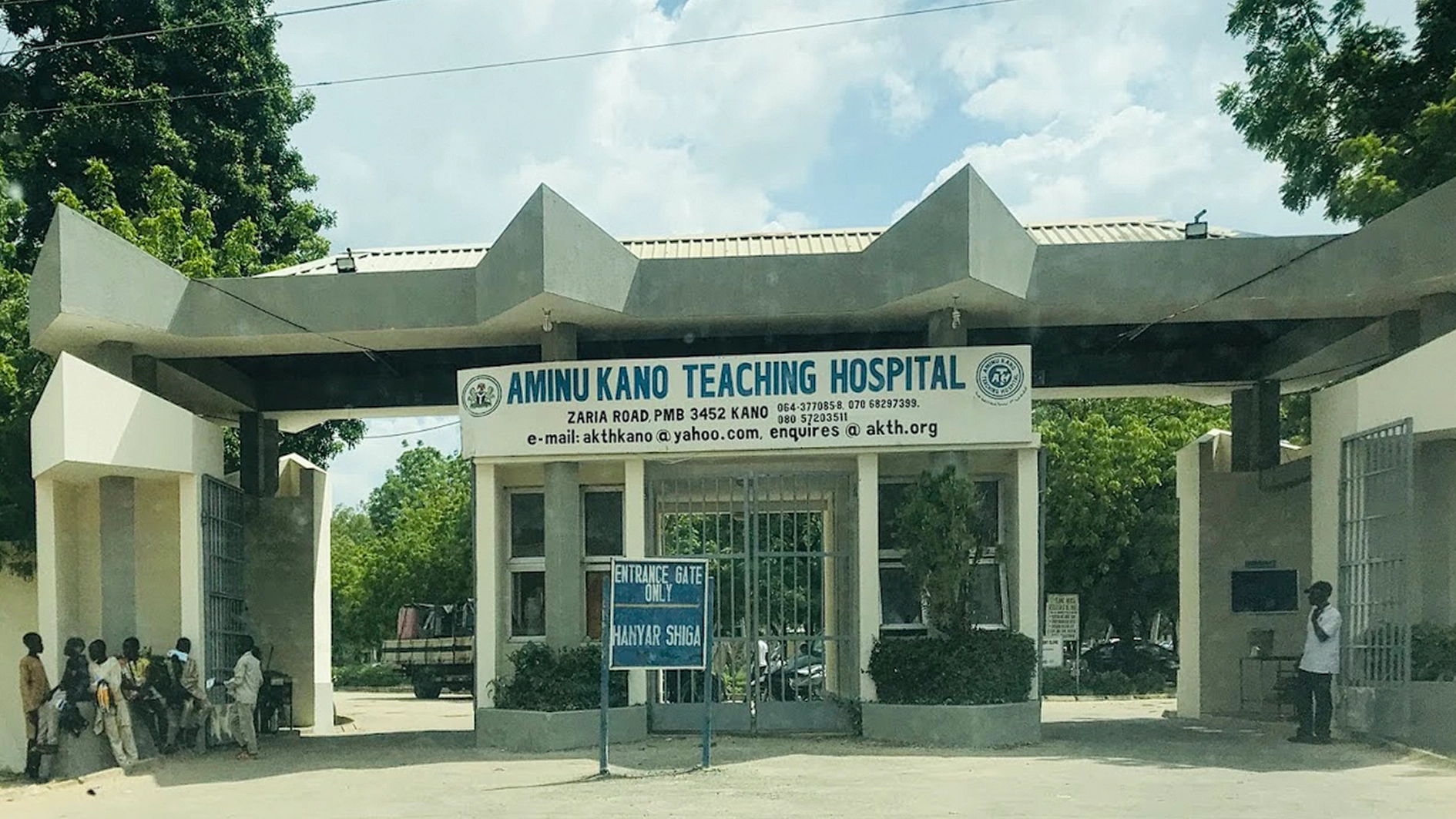
The Aminu Kano Teaching Hospital (AKTH), Kano, has established a School of Paramedic Technology. This represents a strong transformative contribution to the healthcare delivery system in the country.
The Chief Medical Director of AKTH, Professor Abdurrahman Abba Sheshe, said the paramedic school was accredited by the National Board for Technical Education (NBTE) after meeting the Board’s accreditation criteria, thus becoming one of the several schools under the Hospital’s umbrella.
Other accredited schools in the Hospital include the College of Nursing Sciences which offers specialised post-basic nursing programmes in Paediatric, Nephrology, Critical Care, and Perioperative Nursing; School of Health Information Management (SHIM), which trains professionals in health data and medical records management.
The Hospital also has the School of Laundry and Drycleaning Technology, which teaches hygienic laundry, and the Community Health Officers’ Training School, which trains senior community health workers. Professor Sheshe said that the schools were established to bridge critical gaps and enhance healthcare delivery to patients.
At this juncture, the reader may note that the Paramedics School has a comprehensive curriculum to effectively train skilled personnel capable of managing complex emergency and trauma cases at AKTH, or in any other healthcare facility in Nigeria.
Paramedical personnel constitute the first-line providers of medical care in emergencies. The initial treatment they give, either in ambulances ferrying traumatised persons to hospitals or in accident and emergency rooms, saves lives, reduces pain, stabilises serious injuries, and stops bleeding before full treatment.

Students at the AKTH School of Paramedics Technology would be taught how to engage in a range of life-saving interventions including advanced airway management. This simply means they will learn how to secure open airways for unconscious or severely injured patients using specialized intubation equipment and techniques.
They will learn how to provide rapid Cardiac Care by skillfully performing Cardiopulmonary Resuscitation (CPR) and operating automated external defibrillators (AEDs), an intervention aimed at restoring heart rhythms during sudden cardiac arrest.
The students would be taught techniques in emergency medication administration, such as safely delivering urgent intravenous (IV) or intramuscular drugs to treat anaphylaxis, severe pain, acute asthma attacks, or cardiac crises on the scene of an emergency situation before reaching the hospital.
Continuous vital diagnostic monitoring and tracking, including real-time blood pressure, oxygen saturation, and electrocardiograms (ECGs) to detect early signs of physiological collapse, is also part of the training package for all students who would study in the school for two years for a National Diploma (ND), or five years for Higher National Diploma (HND).
Graduates of the AKTH paramedics school would be equipped with the requisite skills to manage spinal and musculoskeletal immobilization cases by applying splints, backboards, and cervical collars to prevent permanent neurological damage or further trauma during patient transit in an ambulance from the accident location to hospital.
Disaster triage and scene of incident management involving rapidly evaluating and prioritizing multiple victims in mass-casualty incidents to ensure the most critical patients receive priority care is one of the roles of paramedics, whether they were trained at AKTH or the University of Benin Teaching Hospital.
In an emergency situation that involves high-risk patient transport to hospital, paramedics must maintain uninterrupted care-giving to ensure that the patient is in stabilised condition while inside mobile intensive care units.
It is important for patients to reach the emergency room stabilised instead of in a critical shock, thus giving hospital clinicians a higher success rate in managing severe cases.
Given the important roles of paramedics in healthcare delivery, establishing the School of paramedics technology at AKTH is appropriate. The availability of more paramedics or skilled first respondents in the country will reduce the prevalence of preventable complications or loss of life of traumatised patients while in transit to hospitals.
An important fact is that AKTH possesses clinical expertise in various medical fields, high patient volume and modern facilities which are essential in exposing the students to a standard, world-class, practical training.
Salisu Na’inna Dambatta is an advocate for healthcare journalism*

