 Follow Us on Google News
 Follow Us on Google Discover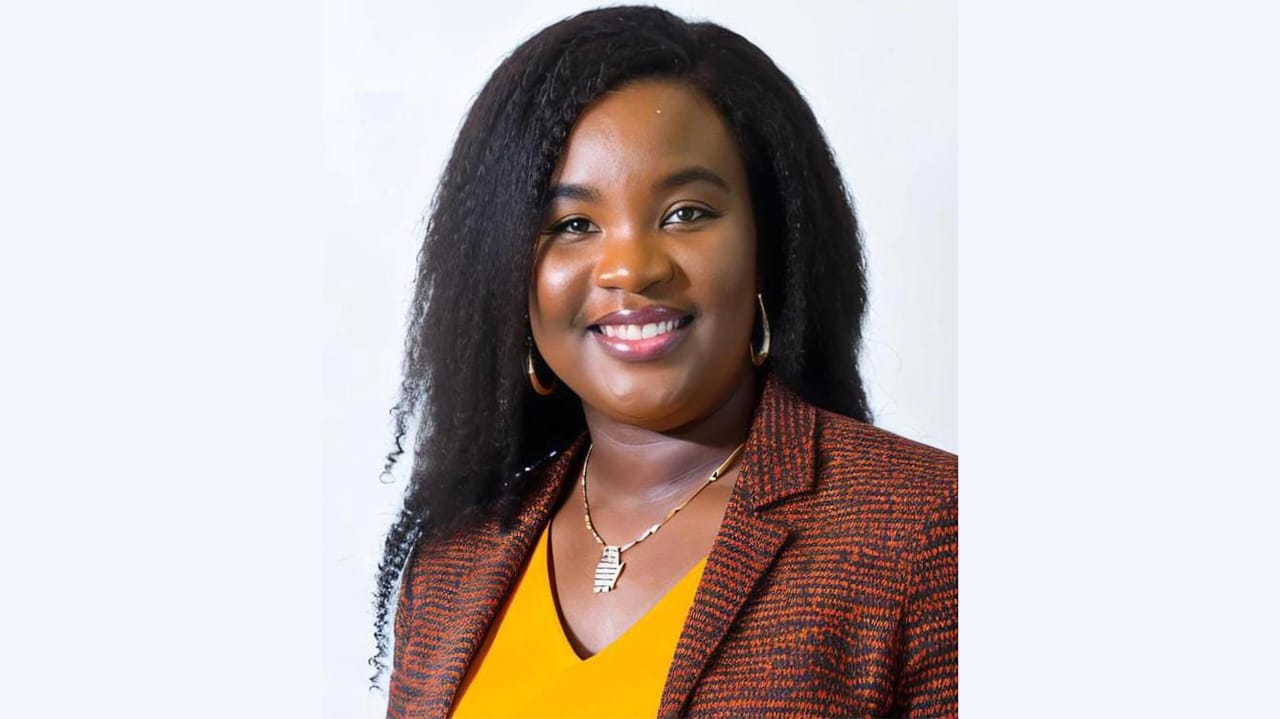
By Priscilla Adebayo
The first two parts of these series set out a sequenced, developmentally matched program of care for the pupils and teachers rescued from captivity in Oyo State. That remains urgent. But trauma from an event of this magnitude does not stay contained within the group who were physically taken. It moves outward, like ripples from a stone dropped in water, touching classmates who watched their friends disappear, families who waited without answers, and neighbouring schools that now eye their own gates with dread. Recovery planning that stops at the school fence, or even at Oriire Local Government Area, will miss most of the harm this event caused.
The forgotten layers of trauma
Disaster and conflict psychology has long recognized that trauma exposure is not binary. Harm is distributed unevenly across concentric circles, with intensity decreasing with distance from the event but rarely reaching zero. At the center are the abducted pupils and teachers. The next ring holds classmates who were present that day but not taken; children who may carry survivor’s guilt and the specific fright of having watched armed men take their friends. Beyond them sit siblings and extended family, who lived through weeks of uncertainty and the emotional volatility of frightened parents. Further out are the staff and pupils of neighbouring schools, who now attend classrooms shadowed by a fear that was not theirs to begin with.
Each ring requires a different kind of attention. Applying the same clinical intervention across all of them would waste scarce resources on people who need reassurance and community support, while under-serving those who need more structured care. Matching the response to the ring is what makes a recovery program affordable and sustainable in a context where specialist mental health workers are, realistically, in short supply.
Classmates who were present but not taken
Children who witnessed the abduction without being taken themselves often carry a quieter, harder-to-see form of distress: intrusive images, difficulty concentrating, and a persistent, sometimes unspoken question of why they were left behind. These children need Psychological First Aid as much as the directly abducted did, inside the ordinary rhythm of the school day rather than as a special, stigmatizing intervention.
Teachers do not need clinical training to notice when a witnessing child needs help; they need to know what to look for. In younger pupils, this can appear as clinginess, new fears, or a sudden regression in skills already mastered. In older pupils, watch for growing distrust of adults, withdrawal or angry outbursts, and a repeated fixation on retelling the event. Among adolescents, the same distress can surface as risk-taking or conflict with authority. Any pupil whose speech, writing, or drawing turns repeatedly toward death or violent themes should be treated as an immediate referral, not a wait-and-see matter.

Families beyond the household
Extended family members like, grandparents, aunts, uncles, and family friends who kept vigil through the weeks of captivity also carry residue from this event. In many Nigerian households, grief and fear are communal long before they are individual. Community-level psychoeducation, delivered through churches, mosques, and market associations, can reach this layer efficiently, helping extended family understand normal trauma reactions and support rather than inadvertently pressure survivors toward a performance of recovery they do not yet feel.
Mourning what cannot be returned
Two teachers did not come home. Their deaths sit at the center of this tragedy and radiate outward with a heavier weight than the trauma of captivity alone. The sociologist Kai Erikson described a form of collective trauma that damages the bonds attaching people to one another and injures the community itself, not merely the individuals within it. Their colleagues need space to grieve openly; their pupils need age-appropriate, honest explanations rather than silence; and their school community deserves a formal, dignified process of mourning before anyone asks it to resume business as usual. Unmourned loss tends to resurface later, often as unexplained anger or withdrawal among both pupils and staff.
Neighbouring schools and the local government area
Fear travels faster than policy. Schools across Oriire Local Government Area are already absorbing the psychological aftershock of this event; some report heightened anxiety and dipping attendance as families weigh the risk of sending children out each morning. Bronfenbrenner’s ecological systems theory applies here too: a school does not exist in isolation, and addressing only the three schools directly targeted, while leaving neighbouring institutions to manage unaddressed anxiety alone, treats the symptom while ignoring the system. Oyo State should extend both physical protection and psychosocial support to every school in the local government area, and communicate clearly what security measures are being taken, since ambiguous reassurance tends to deepen anxiety rather than settle it.
Teaching staff in these neighbouring schools carry their own version of this burden, not survivors of captivity, but absorbing secondary traumatic stress simply from proximity to frightened pupils and anxious parents. Small, structured peer-support groups, combining brief psychoeducation with practical calming techniques, have been shown to ease exactly this kind of compassion fatigue in educators, and deserve to be extended across the local government area, not confined to the three schools directly affected.
What Oyo State should do now
1. Organize a formal, dignified funeral and memorial process for the two teachers who were killed in captivity, with the state’s participation, and provide direct bereavement and financial support to their own families.
2. Train teachers and safeguarding focal persons in age-banded red-flag warning signs, so witnessing pupils who are struggling are identified early rather than overlooked because they were never officially counted among the victims.
3. Design community dialogue and group therapy sessions, through faith/traditional/community leader engagement for surrounding communities.
4. Direct school heads across Oriire Local Government Area to run brief, teacher-facilitated classroom check-ins for all pupils who witnessed the abduction, not only those formally registered as directly affected, built into the normal school day rather than run as a separate, stigmatizing program.
5. Fund community psychoeducation sessions specifically for extended family and kinship networks, delivered through churches, mosques, and community associations, not only through the nuclear households of the pupils who were taken.
6. Provide structured grief support to the colleagues and pupils of the teachers who died, distinct from and in addition to the trauma care already planned for the rescued pupils and teachers.
7. Extend the same two-track school response; physical security upgrades and psychosocial support already promised to the three targeted schools to every school in Oriire Local Government Area.
8. Communicate specific, concrete security measures to parents and staff across neighbouring schools, rather than general reassurance, since vague messaging deepens anxiety rather than settling it.
9. Fund lightweight, teacher-facing peer-support groups across the local government area to address secondary traumatic stress among staff who were not themselves abducted.
10. Monitor school attendance and reported anxiety levels across the local government area over the following term, using that data to decide where further support is needed rather than assuming the crisis has ended once the rescued pupils return to class.
The final part of this series turns to the wider public, proposes a practical model I call community trauma circles, and closes with what a lasting, institutional response for Oyo should look like.
Barrister Priscilla Adebayo is a practitioner in international conflict management and post-conflict healing, and founder of Self-Actualization for Refugee Women Incorporated. This is Part Three of a four-part series on psychosocial recovery after the Oyo State kidnapping.
Contact: [email protected]

