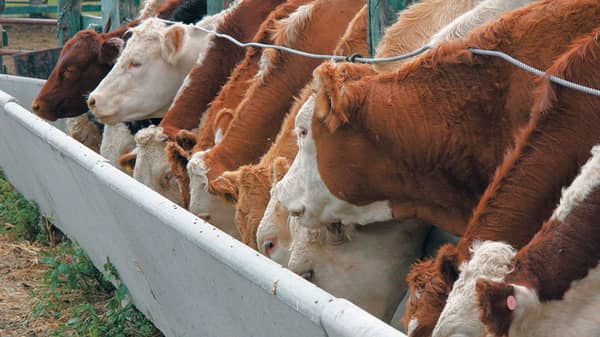
The beef industry is one of Nigeria’s most vital agricultural sectors, feeding millions, supporting rural livelihoods, and driving significant economic activity. With more than 20 million cattle, Nigeria boasts one of the largest herds in Africa. Yet, as the sector expands, one issue remains largely overlooked animal welfare.
Animal welfare refers to the physical and psychological well-being of animals. It is not just about preventing cruelty but ensuring that animals are healthy, comfortable, and treated humanely throughout their lives. Improving animal welfare is not only a moral responsibility; it is also key to producing safe, high-quality meat and maintaining a sustainable beef industry.
“Poor animal welfare is not only inhumane, it’s bad business. Stress reduces meat quality, increases losses, and weakens consumer confidence.”
The state of animal welfare in Nigeria
Nigeria’s cattle rearing traditions date back centuries, driven largely by Fulani pastoralists whose nomadic lifestyle remains central to beef production. However, modern challenges such as land conflicts, disease outbreaks, and inadequate facilities have exposed cracks in the system.
Current animal welfare regulations are weak and inconsistently enforced. The Animal Diseases (Control) Act and Meat Inspection Law provide minimal guidance and lack strong implementation. By comparison, international standards — such as those of the World Organisation for Animal Health (OIE) mandate humane handling, transport, and slaughter of animals to ensure food quality and safety.Without similar standards, Nigeria risks falling behind global markets and continuing to produce meat of variable quality.
Where welfare issues begin
On the farm: Most Nigerian cattle are raised under extensive systems, grazing freely across open lands. While this allows natural behaviour, it also exposes animals to heat stress, hunger, parasites, and poor water supply. Veterinary care is often limited to traditional remedies, and shelters are rare. Poor nutrition and harsh conditions not only reduce productivity but also lead to weaker animals and lower-quality meat.
During transport: Transportation is one of the most stressful stages for cattle. Animals are frequently packed into overcrowded, poorly ventilated trucks and transported over long distances without rest or water. This results in fatigue, injuries, and in some cases, death. Scientific studies show that stressed cattle develop Dark, Firm, and Dry (DFD) meat tough, less palatable, and with a shorter shelf life. For farmers and traders, this means financial losses and reduced consumer trust. “Stress before slaughter increases cortisol levels in cattle, resulting in poor-quality meat that spoils faster and fetches lower market prices.”
At the slaughterhouse: Across much of Nigeria, slaughtering still occurs on open slabs using traditional, non-stunning methods. Cattle often experience distress and prolonged suffering. Many abattoirs lack proper sanitation and refrigeration, raising serious food safety concerns.While modern slaughter facilities exist in cities like Lagos and Abuja, most are under-equipped or poorly managed. The absence of humane stunning, hygiene protocols, and cold storage systems compromises both welfare and meat quality.
Distribution and storage: After slaughter, meat is typically transported in open vehicles without adequate refrigeration. This exposes it to dust, insects, and fluctuating temperatures. Without a reliable cold chain, contamination risk increases, leading to spoilage and potential public health hazards.
Why animal welfare matters
Animal welfare is not just an ethical issue, it’s a public health, economic, and sustainability issue. Stress, malnutrition, and poor handling reduce growth rates and carcass yields, directly affecting farmers’ incomes.
For consumers, poor welfare means lower-quality, less nutritious, and potentially unsafe meat. Improving animal welfare benefits everyone. Well-managed, stress-free animals grow faster, convert feed efficiently, and produce tender, flavourful meat. Globally, countries that prioritise animal welfare enjoy stronger consumer confidence and better access to export markets.
“Good welfare is good economics. Healthy, well-treated animals produce better meat and ensure long-term industry sustainability.”
What can be done?
Strengthen policies and enforcement: Nigeria urgently needs a comprehensive Animal Welfare Act aligned with global standards. This should cover humane handling, transport, housing, and slaughter practices, with clear enforcement mechanisms and penalties for non-compliance.
Training and awareness: Farmers, transporters, and abattoir workers need continuous training on humane handling and welfare-friendly management. Educational campaigns should highlight how welfare practices improve profitability, meat quality, and food safety. Consumer awareness will also drive demand for ethically sourced meat.
Upgrade infrastructure: Modernising abattoirs with stunning equipment, refrigeration systems, and sanitation technology is vital. Investment in purpose-built livestock trucks and holding facilities can minimise transport stress. Collaboration between government and the private sector can fast-track these improvements.
Collaboration and partnerships: A multi-stakeholder approach bringing together government agencies, the private sector, research institutions, and international organisations is essential. Partnerships with global bodies like the OIE and FAO can support training, research, and technical guidance for improving animal welfare.
The road ahead
The Nigerian beef industry stands at a defining moment. The choice is clear: continue with outdated, inhumane practices that harm animals, producers, and consumers or embrace a humane, science-driven approach that enhances quality, profitability, and sustainability. Improving animal welfare will not happen overnight, but every step matters.
Strengthened policies, farmer education, and modern infrastructure will yield long-term benefits. The result will be a beef industry that not only feeds the nation but also earns international respect. “Nigeria’s beef industry can be both humane and profitable. Treating animals with dignity is the foundation for producing better, safer, and more sustainable meat.”
By prioritising animal welfare, Nigeria can transform its livestock sector ensuring that every steak on the plate comes from a system built on respect, science, and sustainability.
Ayoola is Associate Professor of Animal Science, Bowen University Nigeria and member, Universities Federation for Animal Welfare (UFAW) UK.