As the year 2025 fades with its attendant vicissitudes, the new year peeps into the world like a neonate. It’s cry resonating with hopes and aspirations. Yet, in reality, the new year fundamentally brings nothing new. Like a fly resting on the roulette wheel, while static in itself, but it is psychological infused with motion by the spinning host. Despite this paradox, Nigerians should celebrate in joyful mood with hopes focusing on the approaching new year with our usual slogan “ the thing go dey good at the end of the day.”
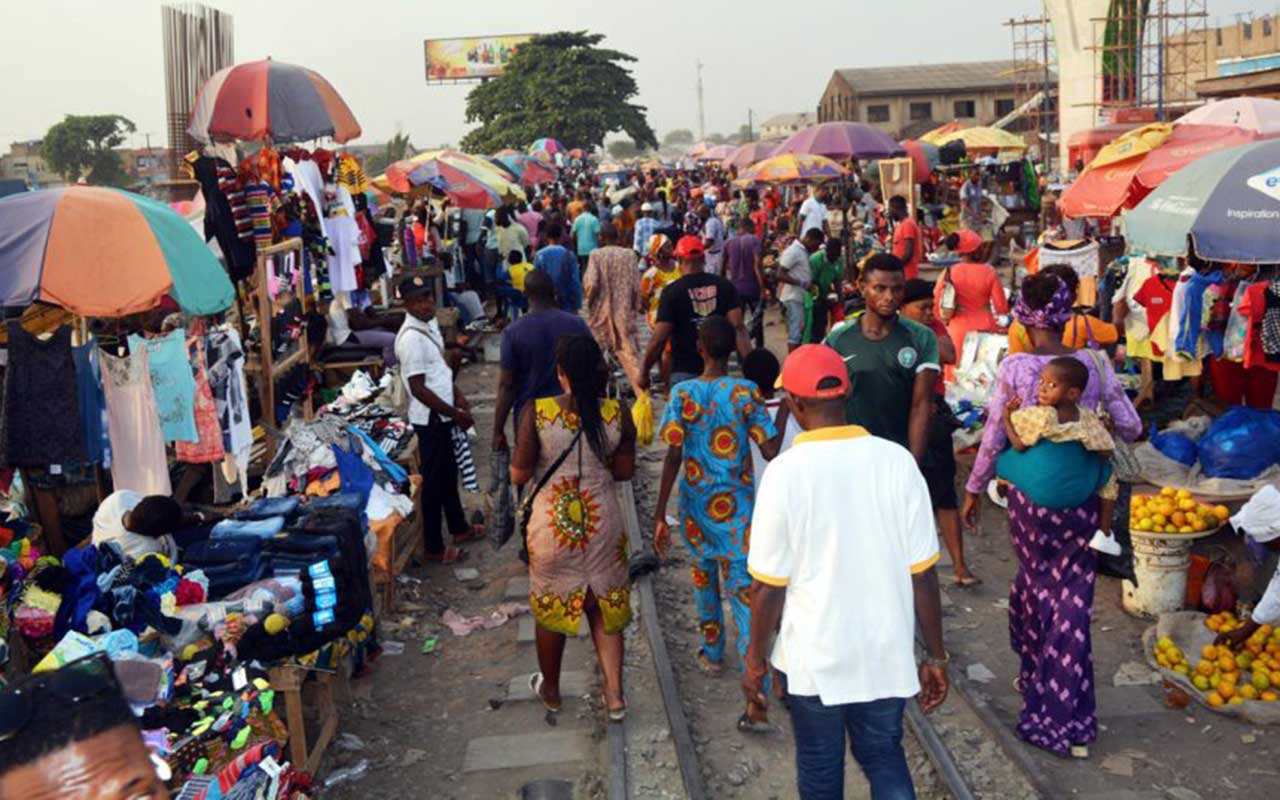
While the challenges confronting humanity are many and varied, each region of the world is burdened by its peculiar life confrontations. Beyond poverty which remains a world-wide malaise, Nigeria grapples with additional self-inflicted social problems like banditry, farmer–herder conflicts, Boko Haram insurgency, religious intolerance (from which no single faith can be absolved), and other vices that, without urgent intervention, risk becoming institutionalised.
The holy books are clear about the relationship between a people and their circumstances. Qur’an 13: 11 says: “Indeed, Allah will not change the condition of a people until they change what is in themselves.”
This underscores the idea that leadership and societal outcomes mirror the moral and spiritual condition of the people. In a similar vein, Deuteronomy 17:14–15 says: “You shall surely set a king over you whom the Lord your God chooses; one from among your brethren you shall set as king over you.” Leadership, therefore, arises from within and reflects the collective character of the people
Two Yoruba proverbs from South-West Nigeria aptly reinforce this truth. First: “You cannot plant onions and reap vegetables.” Second: “There is no deception in a photograph; the way you pose is how you will appear”— unless the image is deliberately manipulated. In essence, society cannot disguise its true reflection.
Quoting two stanza in Alfred Lord Tennyson’s poem titled “Ring Out, Wild Bells,” which admonishes us to imbibe moral renewal and abandon injustices and falsehood.
Ring out the old, ring in the new,
Ring, happy bells, across the snow:
The year is going, let him go;
Ring out the false, ring in the true.
Ring out the grief that saps the mind,
For those that here we see no more;
Ring out the feud of rich and poor,
Ring in redress to all mankind.
The same poet in his poem titled “The Death of the Old Year” says :
The old year lay a-dying;
The new year was born with pain.
This simply means that the passing year, usually blend disappointments with anticipation of renewal.
We must hold our destinies firmly in our own hand. Pragmatism rather than continuous self–deceit are antidotes to the problems confronting us at both micro and macro societal levels.
In her title “A New Year’s Burden,” Christina Rossetti writes: “Each year is burdened with the weight of time, Yet carries hope within humility.’’ Thereby presenting the New Year as a moral responsibility rather than mere celebration.
The poem of Rose Macaulay “ New Year 1918” is supportive of the position of Christina Rossetti by Offering a position of a sober redefinition of hope grounded in ethical reflection rather than ritual celebration.
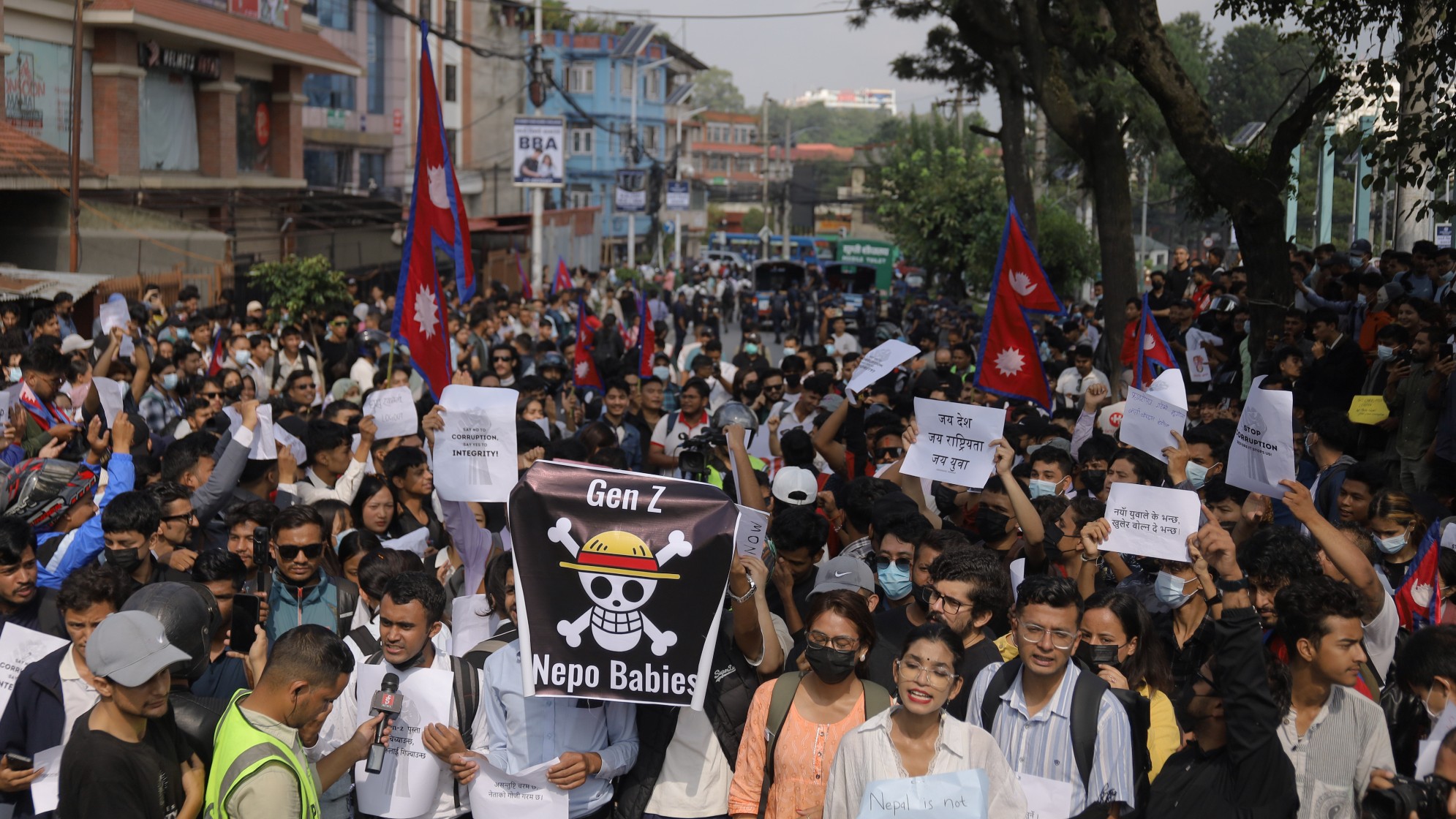
Across Nigeria—and indeed much of the world—there is widespread disillusionment, grief, moral dishonesty, and strained optimism. A world in which the powerful trample relentlessly upon the weak cannot remain peaceful indefinitely. There comes a point when the oppressed, left with no alternatives, turn fiercely against their oppressors.
This is because in every society including Nigeria, the relationship between those who have and the “have not” is a primary defining feature of social stability, moral responsibility, and economic development. Nigerian leaders should realise that wealth and poverty are not merely economic conditions because they are closely related to ethical, social, and communal harmony. Like the Yoruba will say “ Owoti o bad’ileniesun; beniise” which in more universal language means “ Idle hand is the devil’s workshop.”
We must in our various homes and small corners be truthful to our self. It is the cumulative effect of this sincerity that will make us excel.
The rich and powerful carry a burden of deep moral and social responsibility toward the downtrodden. We should start seeing wealth and power beyond personal achievement but also as a product of societal structures, collective labour, and shared resources. Those who possess more are expected to contribute positively to the welfare of others by being generous with humility and fairness adjacent. Afterall, wealth redistribution helps in the reduction of inequality thereby uplifting the more vulnerable section of the populations.
In this regard, the nation’s leadership has a big role to play in properly orientating the people to understand the essence of nationhood. Nigerians must understand what Nigeria means to them and this is a principal responsibility of the leaders. There should be clear cut national goal and aspiration. What if one may ask is the essence of having a Ministry of Information and National Orientation that does not orientate anybody in the society? In fact, this ministry seems to be the least productive and most ineffective in the entire cabinet of Mr President.
National orientation is an important concept in nation-building. It is a deliberate addition to governance that assists in the education of the citizens. The Ministry is established to guide the citizens to understand, accept, and internalize national values, ideals, goals, and responsibilities. This is particularly true of a society like ours that is characterised by diversity in ethnicity, religion, language, and culture. A strong National Orientation agency will help in big measures in shaping public attitudes and behaviour in line with national aspirations.
There is no gainsaying that the level of understanding of responsibility by Nigerians is abysmally low and that we can use the opportunity of the new year to re-design this aspect of governance.
Unfortunately, on the world stage, the gains of the past are being seriously eroded by the leadership of some countries. This was clearly the case in the outgoing year. With the experience of the WW1 and the holocaust, the world at that time seemed to have learnt a lesson. Reasonable, world leaders came together to draw the map of a decent and more tolerant world. This template for many decades became a yardstick for the internal running of every country in the civilised world.
Leaders whose internal structure failed to respect their people were appropriately sanctioned to appreciate that the world can no longer tolerate arbitrariness and confusion. The less developed countries began to look at the more developed world as a model. International order and dignity of man was in the front burner to the extent that even the most autocratic leaders had no option but to toe the line.These gains are today being eroded with many presidents of the so called powerful nations becoming catalysts of undemocratic tendencies. Bullying is now the order of the day with everyone cowed to submission.
One hopes that in 2026, these leaders will show more decorum in their dealings with humanity for at the end of the day “Power belongs to God.”
Ojikutu is a retired Professor of Statistics, University of Lagos.