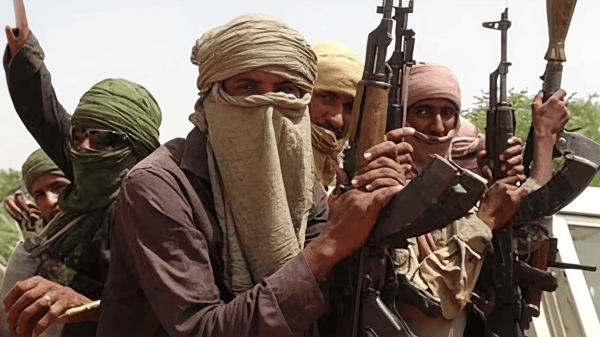
Nigeria is currently facing one of its most severe security crises in history, marked by terrorism, kidnapping, and various related threats. In all of these, it is crucial for Nigerians to collaborate with law enforcement agencies, even with existing low levels of trust and morale, by consistently reporting any suspicious behaviors.
Citizens must be aware of the eight indicators of terrorism. As the saying goes, “prevention is preferable to treatment.” If you notice something unusual, it’s important to speak up!
I intend to inform my fellow Nigerians about the eight indicators of terrorism. First and foremost, it is essential to clarify that no universally accepted definition of terrorism exists. Furthermore, it is vital to understand that military action alone cannot defeat terrorism, as the goals of terrorist organisations often include instilling fear and causing division among their victims to fulfill their aims. Nigerians need to be actively and collectively involved in combating terrorism, particularly in intelligence gathering.
The eight recognised indicators of terrorism that Nigerians should keep in mind include surveillance, elicitation, security testing, funding, acquiring necessary supplies, impersonation, rehearsal, and deployment.
During the surveillance phase, terrorists seek to evaluate the strengths and weaknesses of their intended target, while also assessing emergency response times. They may use advanced surveillance techniques, obtain blueprints or floor plans, express interest in security arrangements, or gather information to infiltrate facilities, and also go into a village to observe their daily activities. Should you observe any of these actions, it is imperative to inform your local authorities.
Elicitation refers to the phase where terrorists aim to collect information pertaining to their target area. This could involve gathering details about the operations and security measures of potential targets, such as power plants, schools, shopping centres, crowded markets, or even sports arenas. They might accomplish this through phone calls, emails, face-to-face interactions, or even by seeking employment at the targeted location. If you notice anything unusual or suspect that something is amiss, you must report it to your local authorities without delay.
Terrorists analyse security systematically during this phase—they assess whether their intended attacks can be executed successfully. This phase is referred to as the testing security stage. They may employ a variety of techniques. For example, they might leave a bag unattended to observe the response of security personnel. Often, terrorists intentionally break into restricted areas to gauge how security will react. If you notice anything unusual, it’s crucial to alert local law enforcement agencies.
Conducting terrorist operations is costly, which leads them to engage in fundraising, transferring funds, and spending in ways that don’t attract attention. This includes large financial transactions and donations to questionable charities. They may also resort to raising funds through human trafficking, drug trafficking, kidnapping for ransom, and other related illegal activities. Recently, there have been calls to scrutinise corrupt politicians. If you identify any related signs, it’s important to report them to your local authority.
Terrorists require a significant number of supplies to execute their attacks. For example, they need weapons, transportation, and communication tools. Unfamiliar vehicles, or motorcycles, individuals purchasing multiple “burner” cell phones, bags of trash in unusual locations, and the presence of fertilizers or explosive chemicals in a garage or compound may indicate potential terrorism activity. You should report such signs to your law enforcement agency, as they could suggest funding for terrorism.
If someone’s behavior seems suspicious based on their words or actions, this could be a warning sign. Impersonating a law enforcement official or a company employee may indicate terrorist actions. Suspects might be wearing ill-fitting uniforms that look either too big or too small—this can also be a sign of terrorist activity. If you feel something is amiss, you should report it to the relevant authorities.
Terrorists often practice multiple times to ensure their operations proceed without issues. They may listen to police radio communications and track emergency response times. Report any concerning activity to the appropriate authority.
During an operation, terrorists continuously organise their resources, position themselves, or prepare for an attack. If you observe any suspicious activities related to this, it’s essential to alert the relevant law enforcement agency. Police should never request payment for reporting, as some community members worry that officers might demand payment for reporting any incident.
In conclusion, everyone must contribute to combating terrorism, banditry, and other criminal acts within Nigeria. Both the military and citizens have responsibilities in this fight against terrorism.

Written by Abiodun Ramon Oseni, a Fellow at the Institute of Security Nigeria, a former U.S. police officer, and U.S. Army veteran, who specialises in international security at Harvard University, and American Military University. He wrote via [email protected]