 Follow Us on Google News


 Follow Us on Google Discover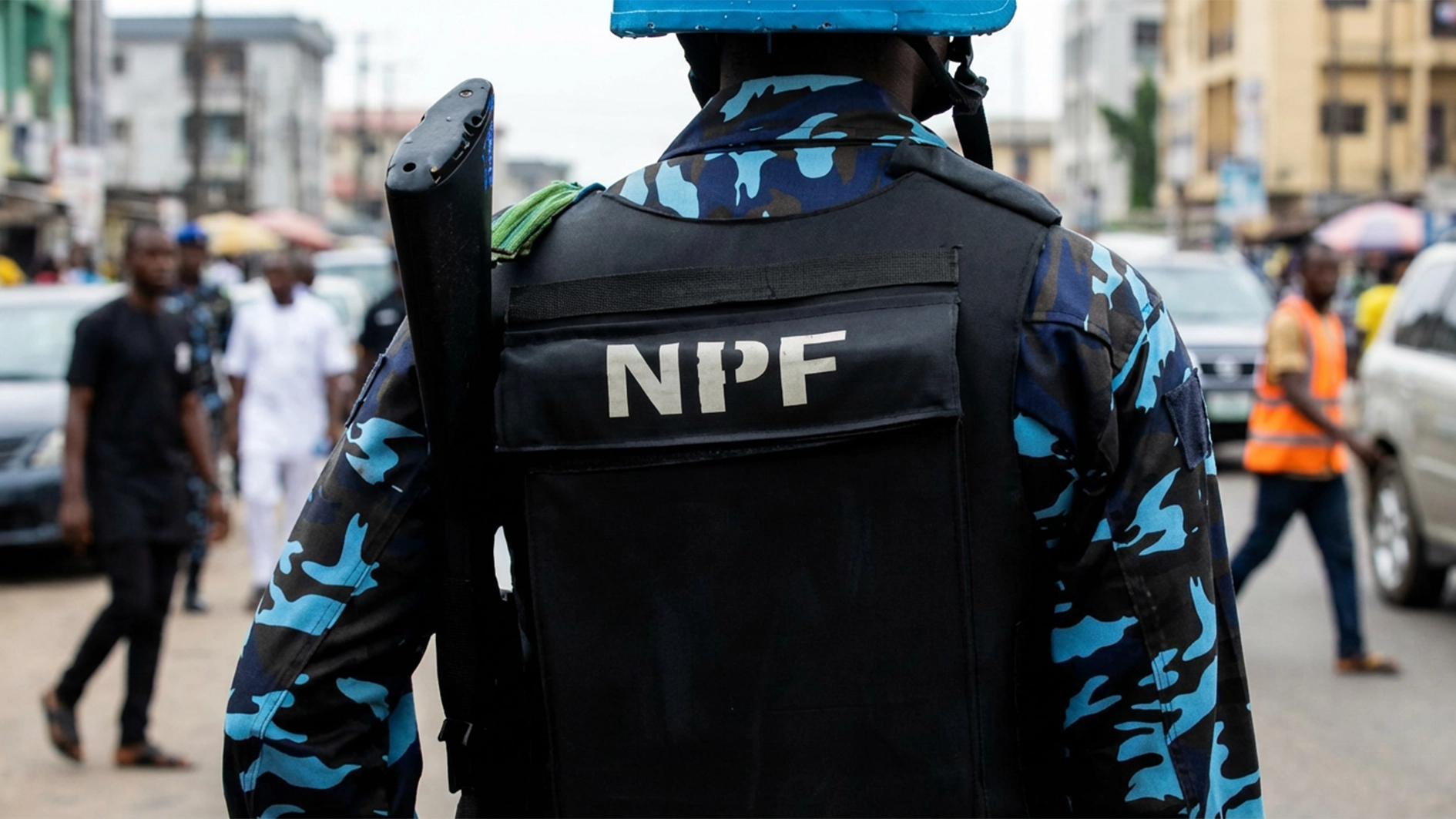
By Adedapo Adenekan
After two decades of banditry, terrorism, kidnapping, and communal clashes, Nigerians are desperate for answers. The loudest one today is “state police.” Governors demand it. The National Assembly debates it. Citizens, tired of waiting hours for help that never comes, are ready to try anything.
But let’s be honest: State police will not magically end insecurity. It is not a silver bullet. At best, it is a sharper tool. And a sharper tool in untrained hands cuts the wrong way.
The case for it is real
A Nigeria Police Force (NPF) that centrally controls 370,000 officers cannot secure 220 million people across 774 Local Government Areas (LGA). That translates to one officer for every 595 citizens. The UN benchmark is 1:450.
NPF as a system is broken by design.Officers are posted far from home, don’t speak the language, and don’t know the terrain. Intelligence dries up. Response times stretch from minutes to days. Abuja has to approve operations while villages burn.
State police promises three solutions: numbers, proximity, and accountability. Recruit locally and you get officers who know which bush path the kidnappers use; Governors deploy directly and the federal bureaucracy is reduced, if not eliminated.State assemblies control the budget, and the political pressure to perform is engendered.

Understandably, there are concerns surrounding the call for state police, which is why I describe state police as aconditional panacea.
First, give a governor a police force without guardrails and you’ve created a personal army. We’ve seen local vigilantes become political thugs. We’ve seen state funds dry up, leaving community enforcement agents unpaid and extorting citizens.
Second, criminals don’t respect state lines. Bandits fleeing Sokoto will set up in Kebbi, if Kebbi’s police are weaker or poorly coordinated. Thirty-six separate police forces that don’t share a database or joint command is not security reform. It’s balkanisation.
Third, if every state sets its own training standard, we may have first-class police in Lagos and third-class police in Gombe. Human rights abuses won’t decrease; they’ll be harder to track.
The question is: What would make it work? To this, I propose six non-negotiable conditions.
Write the rules before you create the force
Amend the Constitution to spell out who handles what—exclusive, concurrent or the residual lists: For example, Federal police keep terrorism, cybercrime, interstate kidnapping, and elections. State police handle community crime, traffic, and first response. Create a National Policing Standards Commission to enforce one training curriculum, one firearms policy, and one code of conduct nationwide.
Money must not depend on the governor’s mood
Police salaries and equipment should be a first-line charge on both the Federation Account and state IGR. The Federal Government must equalize funding, so Zamfara’s officers aren’t using sticks while Lagos uses drones. A hungry officer is a corrupt officer.
Put real oversight in the hands of citizens
Each State Police Service Commission must include the NBA, NHRC, civil society, and traditional rulers, not just the governor’s loyalists. Body cameras should be standard. The federal Attorney-General must have power to prosecute abusive state officers.
Institutionalise collaboration and intelligence sharing
This encourage states to talk to each other and de-politicise command.
A National Crime Database is mandatory. Joint Operations Centers in each zone should coordinate interstate pursuits. Entrance exams and background checks should be run by an independent national body.
State Commissioners need 2/3 State Assembly approval and serve fixed 5-year terms. Any use of police for political intimidation means automatic dismissal.
Fix what the police can’t fix
Nigeria’s insecurity is fed by poverty, injustice, and a failing federal system. Police don’t create jobs. They don’t speed up courts. State police will fail if millions of youths remain unemployed; if courts take 8 years to convict a kidnapper.
Security reform must run alongside judicial reform, youth employment, and arms control.
The time for enacting the law is now and must be done right
The 1999 Constitution centralizes policing because it distrusts the states. That distrust has given us national failure with local casualties.
Enacting state police is a structural correction. It admits that proximity governs better than distance.It’s not a silver bullet. It’s a scalpel—a small, but extremely sharp knife used for surgery and precision cutting. And Nigeria’s security crisis needs surgery, not magic.
The National Assembly should pick up the scalpel and write the operating manual into law.
The question isn’t whether we need state police. The question is whether we’re disciplined enough to legislate it correctly. Our body count, displaced villages and abandoned farmlands say we must try anyway.
Dr Adenekan, a former Central Bank of Nigeria (CBN) executive, is the executive director, diaspora Center for Economic and Business Development Initiatives, Inc., (DCEBDI) Pikesville, Maryland, USA.

