 Follow Us on Google News
 Follow Us on Google Discover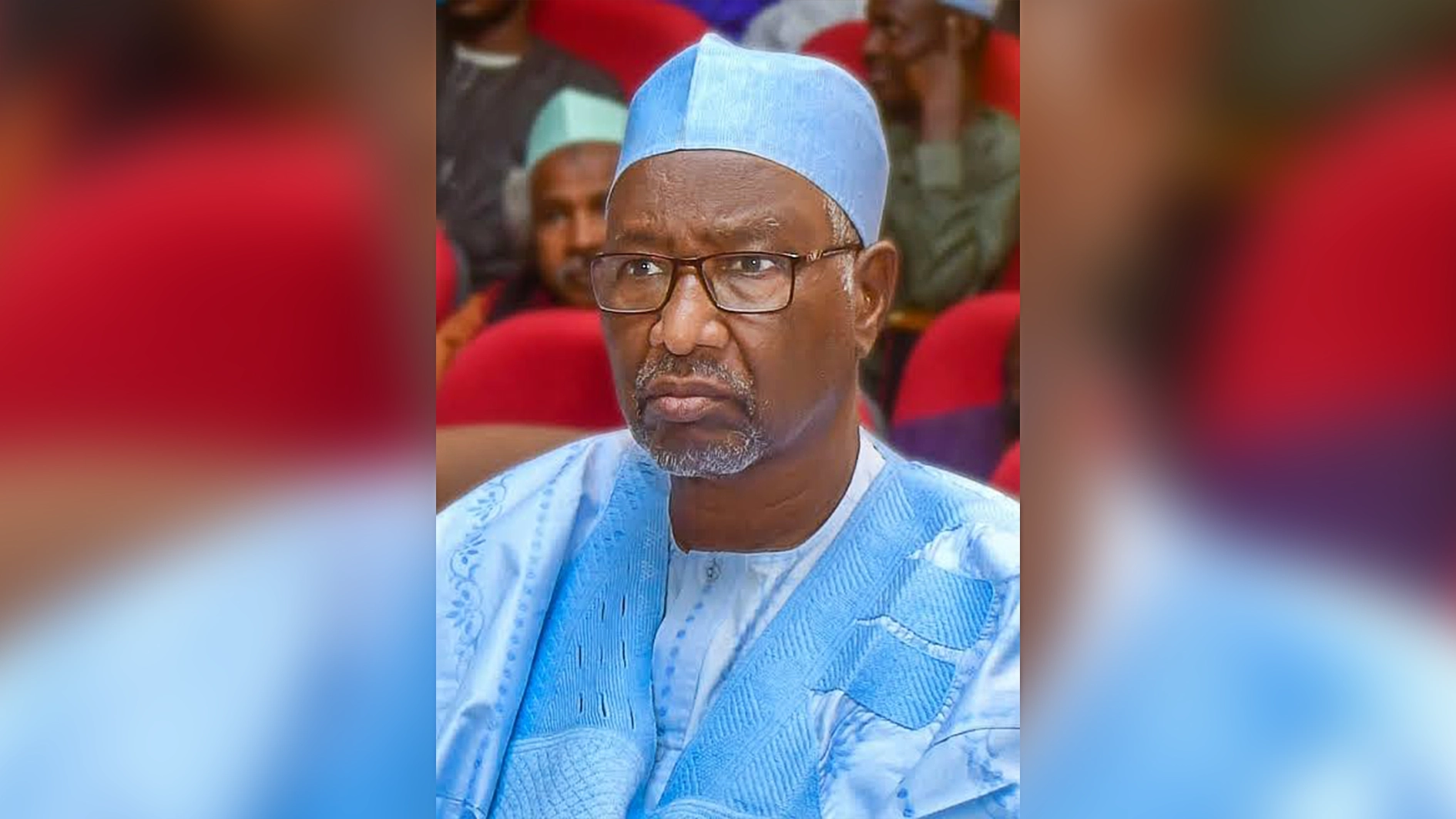
The Social Democratic Party’s Vice Presidential candidate, Professor Usman Bugaje, has delivered a blunt assessment of Nigeria’s leadership crisis.
He argued that the country’s biggest problem is not a shortage of ideas or resources, but the failure of political leaders to summon the will and competence to act.
Bugaje spoke in Abuja during an engagement between SDP leaders and executives of the Young Professionals for Social Change and the Confederation of West African Youths.
In a pointed message to the young professionals, Bugaje said Nigeria’s recurring economic and developmental problems persist because those entrusted with political power often lack either the willingness to make necessary decisions or the competence to implement them.
“The major problem of this country is the lack of that political will to do the right thing, and the lack of competence in leadership to know what to do and do it properly,” Bugaje said.
The statement placed leadership failure, not merely Nigeria’s economic difficulties, at the centre of Bugaje’s intervention before the youth groups.

He argued that Nigeria’s challenges should not be treated as permanent features of the country.
He pointed to countries that emerged from severe crises and subsequently built stronger economies and institutions.
Bugaje specifically cited Japan, South Korea and Singapore, saying their experiences demonstrated what purposeful leadership and sustained policy implementation could achieve.
His argument was that the decisive question for Nigeria is not whether solutions exist, but whether those in authority possess the political will and capacity to apply them.
“We represent the change that you are looking for, and what we are trying to do is to put this country on a different trajectory,” he said.
Bugaje’s intervention came against the backdrop of an appeal by the SDP leadership for young Nigerians to become more directly involved in the political process ahead of the 2027 elections.
Presidential candidate Prince Adewole Adebayo urged the young professionals to take political engagement beyond social media and professional circles and into their communities.
Adebayo told the gathering that political influence ultimately had to reach voters at the grassroots.
“Go back to our own districts. Politics is done in the neighbourhoods—166,874 polling units,” he said.
He also urged young Nigerians to reject what he described as defeatism, religious divisions and elitism.
He argued that the country’s younger generation should see its challenges as an opportunity to participate in nation-building.
SDP National Chairman, Professor Abubakar Sadiq Gombe, meanwhile, challenged the youth organisations to mobilise citizens who stay away from elections.
Gombe said young Nigerians should not only complain about governance but participate in the electoral process.
He also urged them to organise civic enlightenment in their communities.
The Abuja engagement therefore placed the question of who leads Nigeria, how leaders are chosen and whether the next generation will remain spectators or participate directly in politics at the centre of the SDP’s appeal to young professionals.
For Bugaje, the fundamental test of leadership is straightforward: the political will to do what is right and the competence to do it properly.

